Cold showers at 6 a.m. are almost always caused by one cheap part. The heating element for hot water heater tanks is a simple screw-in or bolt-in rod that lives inside the tank, and when it burns out you lose hot water fast. The good news: a replacement element costs $10 to $40, takes under an hour, and does not require a plumber if you can shut off power and use a pipe wrench. This guide walks through element types, how to test one, and what to buy.
How a Tank Water Heater Actually Works
Electric tank heaters use either one element (small 20- to 30-gallon units) or two elements stacked vertically. The upper element fires first when you open a hot tap, then hands off to the lower element as cold water refills the tank. Each element is wired to a thermostat that cuts power when the water reaches 120 to 140 degrees F.
When the lower element fails, you get a few minutes of hot water before it turns cold. When the upper fails, you get no hot water at all. Gas heaters do not have electric elements; they use a burner and pilot assembly instead.
Types of Heating Elements
There are three main styles, and picking the wrong one wastes a trip to the hardware store.
- Screw-in (1-inch NPT): The most common style, used by Rheem, Bradford White, A.O. Smith, and most residential brands since 1990.
- Flange (4-bolt): Older tanks and some commercial units use a square flange with four bolts and a gasket.
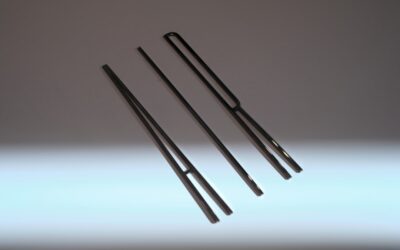
- Low-watt-density: A folded or looped element that spreads heat over more surface area. Better for hard-water homes because it resists scaling.
Standard residential wattages are 3,500, 4,500, and 5,500 watts at 240 volts. Match the wattage printed on the old element or the tank’s data plate exactly. Going higher will trip the breaker.
Signs Your Element Has Failed
The clearest symptom is water that goes lukewarm or cold even though the breaker is on. Other signals include a tripped high-limit reset button on the thermostat, a breaker that keeps flipping when the heater runs, or rusty water coming only from hot taps.
Sediment buildup is the usual killer. Minerals collect on the lower element, insulate it, and cause it to overheat and crack. Homes on well water or hardness above 10 grains per gallon often lose elements every 3 to 5 years. Softer water systems can go 10 to 15 years.
Testing With a Multimeter
Turn off the breaker before you touch anything inside the access panel. Pull the insulation pad back and remove the plastic safety cover.
- Set a multimeter to ohms (Omega symbol).
- Disconnect one wire from the element terminal.
- Touch probes to the two element screws. A working 4,500-watt element reads 12 to 13 ohms; a 5,500-watt reads 10 to 11 ohms.
- Touch one probe to a terminal and the other to the metal tank. Any reading means the element is grounded and must be replaced.
Open circuits (infinity) confirm a burned-out element. It takes two minutes per element.
Replacement Steps
You need a 1 1/2-inch element wrench (about $8 at Home Depot), a voltage tester, and plumber’s tape. Shut off the breaker, close the cold-water inlet valve on top of the tank, open a hot tap upstairs to break the vacuum, then drain the tank through the bottom spigot. Expect 20 to 40 minutes of drain time.
Unscrew the old element, install the new one with a fresh rubber gasket (it ships with the element), and tighten until snug plus a quarter turn. Reconnect both wires to the same terminals, refill the tank completely before turning the breaker back on, or you will burn out the new element in seconds.
Cost Breakdown
Doing it yourself runs $15 to $50 total. A plumber typically charges $200 to $350 for the same job because of the trip fee and labor minimum. If your tank is more than 10 years old, leaks from the bottom, or has a cracked dip tube, you are better off replacing the whole unit. A new 50-gallon electric tank installed costs $1,400 to $2,200.
Extending Element Life
Flush the tank once a year by draining 5 gallons through the bottom valve. This clears sediment before it coats the lower element. Set the thermostat to 120 degrees F instead of 140 to cut energy use and slow scale formation. If you have hard water, add a whole-home softener or switch to low-watt-density elements on your next replacement.
Check the anode rod every three years. A sacrificial magnesium or aluminum rod protects the tank and elements from corrosion; replacing it at $25 every five years can double the life of the heater.
Common Replacement Mistakes to Avoid
The single biggest mistake is turning the breaker back on before the tank is fully refilled. A dry-fired element will burn out in under 30 seconds, and the new one you just installed becomes scrap. To confirm the tank is full, open the highest hot tap in the house and wait for a steady, air-free stream for at least two minutes before restoring power. Other frequent errors include reusing the old rubber gasket (always use the new one that ships with the element), overtightening and cracking the tank’s threaded boss, and mismatching element voltage. A 120-volt element installed on a 240-volt circuit produces only a quarter of the rated heat output and leaves you with lukewarm showers forever.
When to Call a Pro Instead
If the old element is seized in the tank and refuses to budge with a proper 1 1/2-inch socket wrench and cheater bar, stop before you crack the tank shell. A plumber has a breaker bar, impact driver, and experience knowing when to walk away and swap the whole heater. Also call a pro if you see water on the floor around the tank base, hear rumbling or popping during heat cycles (a sign of heavy sediment that DIY flushing will not clear), or find rust-colored water from both hot and cold taps (indicating the tank liner itself has failed). At that point a $30 element will not save a tank that is days from a catastrophic leak.