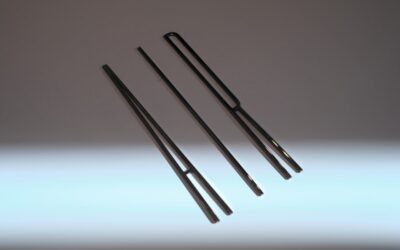
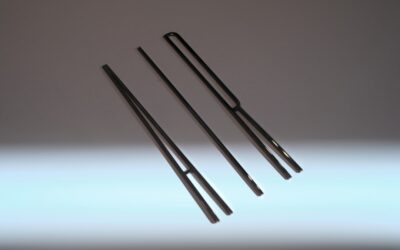
When the hot water runs out faster than it used to, or disappears entirely, the culprit is usually a small, inexpensive part buried inside the tank. The electric water heater element is a metal heating rod, much like the one in an electric kettle, that transfers electrical energy into the water. Most electric tanks have two of them, and when one burns out, your showers get short or cold. The good news: elements cost $8 to $25, and replacing one is a manageable DIY job that can save a $200-plus service call. Here is everything you need to know.
- How Electric Water Heater Elements Work
- Common Wattage and Voltage
- Signs Your Element Has Failed
- Why Elements Fail
- How to Test an Element
- How to Replace an Electric Water Heater Element
- When to Call a Professional
- Cost and Value
- Choosing the Right Replacement Element
- Preventing Premature Element Failure
- Frequently Asked Questions
- How do I know if it’s the element or the thermostat?
- Can I replace just one element or should I do both?
- Why did my new element burn out quickly?
- Which water heater element usually goes bad first?
- Can you replace a water heater element without draining the tank?
- How long does it take a water heater to heat up after replacing an element?
- Should you replace the thermostat when replacing a water heater element?
How Electric Water Heater Elements Work
An element is a resistance heater. Electricity flows through a coiled metal rod that resists the current and gets hot, and that heat radiates directly into the surrounding water. A typical residential electric water heater has two elements — an upper and a lower — each controlled by its own thermostat. They work in a specific sequence: when you draw hot water, cold water enters the bottom, the upper thermostat runs the upper element first to quickly reheat the top of the tank, then hands off to the lower element to heat the rest. Only one element runs at a time in most standard “non-simultaneous” tanks, which is why understanding which element failed helps diagnose the symptom.
Common Wattage and Voltage
Most residential elements run on 240 volts and are commonly 4,500 watts, though 3,500 and 5,500 watt versions exist. When replacing, match the voltage and wattage stamped on the old element or listed on the tank’s data plate. Installing a higher-wattage element than the wiring and breaker are rated for is a fire risk, and mismatched voltage will underperform. Elements also come in different styles — screw-in (threaded) and bolt-in (flanged) — so match the mounting type too.
Signs Your Element Has Failed
The symptoms point clearly to which element is bad:
- No hot water at all: Often the upper element or upper thermostat, since the upper element heats first.
- Hot water that runs out quickly (warm then cold): Classic sign of a failed lower element — the top of the tank heats but the bulk does not.
- Lukewarm water: Can indicate an element operating at reduced efficiency or scale buildup.
- Tripping breaker: A shorted element can draw excess current and trip the breaker.
- Longer recovery time: Sediment coating the element or a weakening element slows reheating.
Why Elements Fail
Elements do not last forever, and a few conditions shorten their life. Sediment and mineral scale accumulate on the element, insulating it and causing it to overheat and burn out — a bigger problem with hard water. Dry-firing, running an element while the tank is not full of water, will destroy it in seconds, which is why you must never energize a heater before it is filled. And ordinary wear from years of heating cycles eventually cracks the resistance coil. Flushing your tank annually to remove sediment is the single best way to extend element life.
How to Test an Element
Before replacing, confirm the element is actually bad with a multimeter. Always shut off the breaker first and verify the power is off.
- Kill the power at the breaker — an electric water heater uses 240 volts, which is dangerous.
- Remove the access panel and fold back the insulation to expose the thermostat and element terminals.
- Test for continuity/resistance: Set the meter to ohms and touch the two element screws. A good element reads roughly 10 to 16 ohms (for a 4,500W/240V element). A reading of zero or infinite (OL) means the element is shorted or open — replace it.
- Test for a ground short: Place one probe on an element screw and the other on the metal tank. Any continuity here means the element is grounded and failed.
How to Replace an Electric Water Heater Element
With the bad element identified, replacement is straightforward. You will need a water heater element wrench (a $6 socket), a multimeter, and a garden hose.
- Turn off the breaker and confirm no voltage at the terminals.
- Shut off the cold water supply to the tank.
- Drain the tank below the element level: attach a hose to the drain valve, open a hot tap upstairs to break the vacuum, and drain. For a lower element, drain the whole tank; for an upper element, you can drain partway.
- Disconnect the wires from the element and note their positions.
- Unscrew the old element with the element wrench (counterclockwise). Threaded elements twist out; flanged ones have four bolts.
- Install the new element with a fresh rubber gasket, hand-tighten, then snug with the wrench — do not overtighten.
- Refill the tank completely before restoring power. Open the cold supply, keep the upstairs hot tap open until water runs steadily to purge air, then close it. This step is critical: powering a dry element destroys it instantly.
- Restore power and check for leaks around the new element after 30 minutes.
When to Call a Professional
Most element swaps are DIY-friendly, but bring in a pro if the tank itself leaks (a failed tank, not an element), if the wiring or thermostat shows scorching, if the breaker keeps tripping after a new element, or if you are uncomfortable working around 240-volt power. Persistent problems after replacing both elements often point to a failed thermostat, a wiring fault, or a tank at the end of its 10-to-15-year life.
Cost and Value
The economics strongly favor DIY. A replacement element costs $8 to $25, plus a $6 element wrench you keep. A plumber charges $150 to $350 for the same job, most of it labor and trip fees. Replacing an element yourself is one of the highest-value home repairs available — an hour of work and a cheap part can restore full hot water and postpone buying a whole new heater. Combine the fix with an annual tank flush, and you will get the longest possible life out of both the elements and the tank.
Choosing the Right Replacement Element
Matching the new element to the old one prevents most callbacks. Confirm three things before you buy. First, voltage — most residential heaters are 240 volts, but some are 120; using the wrong voltage means poor heating or a tripped breaker. Second, wattage — 4,500 watts is the most common, and installing a higher wattage than your wiring and breaker allow is a fire hazard. Third, the mounting style — screw-in (threaded) elements twist directly into the tank, while flanged (bolt-in) elements attach with four bolts and a gasket. There are also low-density and high-density options; low-density elements spread heat over more surface area and resist scale buildup, making them a smart upgrade in hard-water areas.
Preventing Premature Element Failure
- Flush the tank annually to remove the sediment that coats elements and makes them overheat.
- Never energize a dry element — always fill the tank completely and purge air before restoring power.
- Consider a low-density element if you have hard water, since it scales more slowly.
- Address hard water at the source with a softener to protect elements, the tank, and your plumbing.
- Replace the anode rod every few years, which reduces corrosion throughout the tank.
Frequently Asked Questions
How do I know if it’s the element or the thermostat?
Test both with a multimeter. A good element shows around 10 to 16 ohms of resistance and no continuity to the tank; zero, infinite, or a ground short means the element is bad. If the elements test fine but there is still no heat, suspect the thermostat or a wiring fault.
Can I replace just one element or should I do both?
You can replace only the failed one, but since both elements are the same age and cost only a few dollars, many people replace both at once while the tank is drained to avoid a second job soon after.
Why did my new element burn out quickly?
Almost always dry-firing — powering the element before the tank was fully refilled and purged of air. Heavy sediment or a mismatched high-density element in hard water can also shorten life. Always fill completely before restoring power.
Which water heater element usually goes bad first?
The lower element fails more often in most tanks. It does the bulk of the heating and sits at the bottom, where sediment and mineral scale settle and insulate it until it overheats. A bad lower element shows up as hot water that runs out quickly, while a bad upper element usually means no hot water at all.
Can you replace a water heater element without draining the tank?
It is possible with a quick-swap trick that holds water in by vacuum, but it is risky and messy, so draining below the element is the safer method. For an upper element only a partial drain is needed. Draining the tank fully for a lower element also flushes out sediment, which helps the new element last longer.
How long does it take a water heater to heat up after replacing an element?
A typical 40 to 50 gallon electric tank takes roughly 1 to 2 hours to bring a full tank of cold water up to temperature. Recovery is slower than a gas heater because only one element runs at a time in most tanks. If the water is still cold after 3 hours, recheck the breaker, the thermostat reset button, and the element wiring.
Should you replace the thermostat when replacing a water heater element?
Not automatically. Thermostats fail less often than elements, so replace one only if it tests bad or the element tests good and there is still no heat. Since the panel is already open, testing the thermostat takes a few minutes. A thermostat with scorched terminals or a reset button that keeps tripping should be replaced, ideally by a licensed pro.