A water pressure regulator valve is one of the most important yet least understood components in a home’s plumbing system. Its job is simple but critical: it reduces the high-pressure water coming from your municipal supply, which can arrive at 100 to 150 psi or more, down to a safe household range of 50 to 60 psi. Without it, that excessive pressure would hammer your pipes, fixtures, and appliances, leading to leaks, burst supply lines, and a much shorter lifespan for everything connected to your water system.
At D and G Flooring we have seen the aftermath of pressure-related failures too many times, where a burst supply line floods a room and ruins the flooring beneath it. Understanding this small brass device helps you prevent thousands of dollars in water damage. This guide explains how it works, how to spot trouble, and what to do about it.
What a Pressure Regulator Valve Does
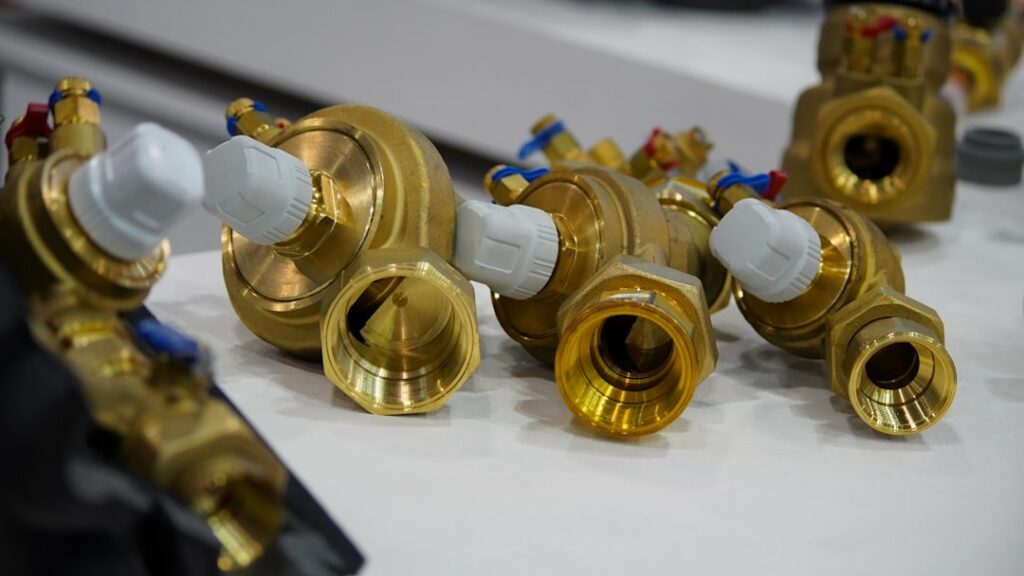
Also called a pressure-reducing valve or PRV, this device is typically a bell-shaped brass fitting installed on your main water line, usually right after the main shutoff where the water enters the house. Inside is a spring-loaded diaphragm that automatically restricts flow to maintain a consistent downstream pressure regardless of how high the incoming supply pressure spikes.
Municipal water systems often run at high pressure to serve tall buildings, fire hydrants, and homes at varying elevations. That pressure is far more than a residential plumbing system is designed to handle. The regulator acts as a constant gatekeeper, smoothing out those high and fluctuating pressures into something your fixtures can live with for the long haul.
Why Proper Water Pressure Matters
Pressure that is too high causes a cascade of problems throughout the home:
- Pipe and joint stress that leads to leaks and, in extreme cases, burst lines.
- Appliance damage to dishwashers, washing machines, and water heaters, whose valves and hoses are rated for normal pressure.
- Banging pipes, known as water hammer, that you hear when a faucet shuts off.
- Running toilets and dripping faucets caused by overstressed seals and valves.
- Wasted water and higher bills from excessive flow.
The Uniform Plumbing Code generally requires a regulator when incoming pressure exceeds 80 psi, and most experts recommend keeping household pressure in the 50 to 60 psi sweet spot.
Signs Your Pressure Regulator Valve Is Failing
Regulators do not last forever; most have a service life of roughly 10 to 15 years. Watch for these warning signs that yours is wearing out:
- Suddenly high or low water pressure throughout the house.
- Fluctuating pressure that surges and drops while a fixture runs.
- Banging or hammering noises in the pipes.
- Leaks around the valve body itself.
- Faucets that spit or sputter due to inconsistent flow.
- Reduced flow even when fixtures are clean and unobstructed.
How to Test Your Water Pressure
You do not need a plumber to check your pressure. Buy an inexpensive water pressure gauge, often available for under $15, that screws onto a hose bib or laundry faucet. Thread it on, open the faucet fully, and read the dial. A healthy reading falls between 50 and 60 psi. Anything above 80 psi is too high and signals either a failed regulator or the need for one. A reading well below 40 psi may indicate a regulator that has failed in the closed direction or another supply problem. For the most accurate picture, test at different times of day, since municipal pressure can vary.
How to Adjust a Pressure Regulator Valve
If your regulator is functioning but set incorrectly, you can often adjust it yourself:
- Locate the valve on the main line, typically near the shutoff after the meter.
- Find the adjustment screw on top, usually secured with a locknut.
- Loosen the locknut with a wrench so the adjustment screw can turn.
- Turn the screw clockwise to increase pressure or counterclockwise to decrease it. Make small quarter-turn adjustments.
- Recheck pressure with your gauge after each adjustment until you reach 50 to 60 psi.
- Retighten the locknut to lock in the setting.
If adjusting the screw produces no change in pressure, the valve itself has likely failed internally and needs replacement.
Replacing a Failed Regulator
When a regulator fails, replacement is the only fix. The valve itself is relatively inexpensive, often in the $50 to $150 range, while professional installation typically brings the total to somewhere around $150 to $400 depending on your plumbing configuration and local labor rates. The job involves shutting off the main water supply, cutting out the old valve, and installing the new one with proper fittings, oriented in the correct flow direction marked by an arrow on the body.
While a handy homeowner with soldering or push-fit experience can tackle this, many people prefer a licensed plumber because the work is on the main line and a mistake can flood the home. Always confirm whether a permit is required in your area.
Maintenance Tips
- Test your water pressure once or twice a year with a gauge to catch drift early.
- Listen for new banging or hammering noises, which often signal a developing problem.
- Inspect the valve body periodically for corrosion, mineral buildup, or moisture.
- If you have very hard water, be aware that mineral deposits can shorten the valve’s life.
- Know the location of your main shutoff so you can stop water quickly in an emergency.
Common Mistakes to Avoid
- Ignoring high pressure because everything seems fine; the damage accumulates silently.
- Cranking pressure up too high to get a stronger shower, which stresses the whole system.
- Installing a replacement valve backward, against the flow direction arrow.
- Assuming low pressure is always a regulator problem when it could be a clogged aerator or supply issue.
- Skipping the pressure test and guessing at the cause of plumbing noises.
Final Thoughts
A water pressure regulator valve quietly protects your entire plumbing system, your appliances, and the flooring beneath them from the destructive force of excessive municipal pressure. Test your pressure regularly, keep it dialed into the safe 50 to 60 psi range, and replace the valve when it shows signs of failure. This small, inexpensive device is one of the smartest investments you can make in protecting your home from costly water damage.