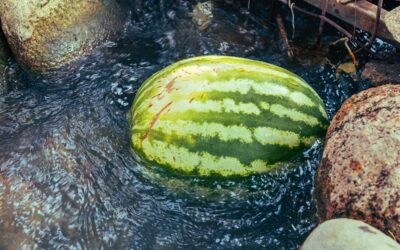
Growing a watermelon plant indoor sounds far-fetched until you see a Sugar Baby vine ripening fruit on a sun porch in February. The challenge is not the plant, it is matching outdoor conditions inside: bright light, warm soil, hand pollination, and enough vertical real estate for sprawling vines. With a 5-gallon grow bag, a south-facing window, and a $35 LED grow light, you can get one or two 6-pound melons per season from a single plant. This guide covers everything from variety selection to the trellis system that keeps fruit from snapping the vine.
Part of our Windows & Doors guide — explore the full guide →
Pick a Variety That Actually Fits Indoors
Standard watermelons need 80 to 90 feet of vine run and produce 25-pound fruit. That is not happening in a living room. Stick to compact and bush-type varieties bred for containers.
- Sugar Baby — 75 days to maturity, 6 to 10-pound fruit, 6-foot vines
- Bush Sugar Baby — 80 days, even more compact at 3 to 4-foot runners
- Golden Midget — 70 days, 3-pound yellow fruit, 3-foot vines, perfect for indoor pots
- Mini Love F1 — 70 days, 6-pound personal-size fruit, 4-foot vines
Burpee and Park Seed both sell these varieties for $5 to $8 a packet, with Mini Love F1 worth the premium for reliable production.
Light Requirements You Cannot Compromise
Watermelons need 8 hours of direct sun minimum, and 10 to 12 hours of bright light total. A south-facing window in zones 6 through 10 will deliver 4 to 6 hours of direct sun during peak summer, which is not enough on its own. Supplement with a full-spectrum LED grow light.
The Spider Farmer SF1000 ($120 on Amazon) covers a 2-by-2-foot grow area at 100 watts and includes the red-spectrum diodes needed for flowering and fruit set. Hang it 18 inches above the canopy and run on a timer for 14 hours daily. Cheaper $35 panels work for seedlings but lack the photon density to push fruit production.
Container and Soil Specs
A 5-gallon fabric grow bag is the minimum for indoor watermelon. The 247Garden 5-gallon bag ($8 for a 5-pack) breathes better than plastic and air-prunes roots for denser fibrous growth. Move up to 10-gallon if you have the floor space.
Mix a soil that drains fast but holds moisture: 60 percent FoxFarm Ocean Forest, 20 percent perlite, and 20 percent coco coir. Add a half-cup of Espoma Garden-tone organic fertilizer per gallon of mix. Target a pH of 6.0 to 6.8, testable with a $15 Vivosun soil meter.
Temperature and Humidity Targets
Watermelons germinate at 75 to 85 degrees Fahrenheit and refuse to sprout below 65. Use a Vivosun seedling heat mat ($22) under the seed tray for the first 7 to 10 days. Once the second set of true leaves appears, move to your final container.
Daytime room temperatures of 70 to 85 degrees and nighttime above 60 degrees produce the strongest growth. Humidity around 50 to 70 percent suits flowering. If your house runs dry in winter, a small ultrasonic humidifier near the plant prevents flower drop.
Trellis Setup for Vertical Growing
Vines sprawl by default, but indoor space demands vertical training. Drive a 6-foot bamboo stake into the bag at planting, then add a wall-mounted cattle panel section ($25 at Tractor Supply) or a sturdy clamshell trellis behind the pot. Train the main vine upward using soft plant tie tape or strips of old T-shirt fabric.
Once a fruit reaches softball size, support its weight with a sling. Cut a 12-inch square from an old pair of pantyhose, tie the corners to the trellis, and cradle the melon. Without a sling, the fruit weight will snap the vine within a week.
Hand Pollination for Indoor Fruit Set
No bees inside means no pollination unless you do it yourself. Watermelons produce separate male and female flowers on the same plant. Males appear first and outnumber females three to one. Female flowers have a small bulge at the base that becomes the fruit.
- Pollinate between 6 and 10 AM when pollen is most viable
- Pluck a male flower, peel back the petals, and rub the stamen directly on the female flower’s stigma
- Use a fresh male for each female to maximize success
- Pollinate the same female again the next morning for insurance
Successful pollination shows within 48 hours: the female flower wilts and the ovary swells.
Watering, Feeding, and Pest Watch
Container-grown watermelon plants drink heavily. Check moisture daily by sticking a finger 2 inches into the soil; water when it feels dry at that depth. A 5-gallon container in active growth can need 1 to 2 quarts of water per day.
Feed with a high-potassium fertilizer once fruit sets. Jack’s Classic Tomato Feed (12-15-30) at half strength every 7 days through fruit maturation delivers the potassium needed for sugar development. Watch for aphids and spider mites, which thrive indoors. Neem oil sprayed under leaves every 10 days as prevention is cheaper than fighting an infestation.
Harvest Timing You Should Not Guess
Indoor watermelons ripen 70 to 90 days after transplant depending on variety. Three signals tell you it is time: the tendril nearest the fruit stem turns brown and dries, the ground spot turns from white to creamy yellow, and the rind dulls from glossy to matte. Thump it for the deep hollow tone everyone talks about, but lean on the visual cues first.
Cut the stem 2 inches above the fruit with sharp pruners. Let the melon rest at room temperature for two days to develop full flavor, then chill for two hours before serving. A successful watermelon plant indoor experiment produces fruit nearly indistinguishable from the farmer’s market version, and the bragging rights are unmatched.