Most carpet disasters do not start with the carpet at all; they start in the pad underneath, where spilled wine, pet accidents, and basement dampness soak in, get trapped, and turn into odor and mold. That is precisely the problem waterproof carpet padding is built to solve. By adding a moisture barrier, usually a thin film bonded to the top of the cushion, this type of pad stops liquids from passing through into the subfloor and keeps spills sitting on the surface where you can actually clean them up. For homes with pets, kids, or below-grade rooms, it can be the difference between a quick blot and a full tear-out.
How Waterproof Carpet Pad Actually Works
Standard carpet padding is a sponge. When liquid hits the carpet, it wicks straight down through the fibers and into the pad, then often into the subfloor below, where it lingers, smells, and can grow mold. Waterproof padding interrupts that path with a moisture barrier, typically a thin waterproof film or membrane laminated to the top surface of the foam or rubber cushion.
Because of that barrier, liquid that gets through the carpet hits the film and stops, pooling on top of the pad rather than soaking in or reaching the subfloor. That keeps the spill contained to the carpet and pad surface, where it can be extracted, and protects the structure beneath. It is the same logic as a mattress protector, but for your floor.
The Real Advantages
The benefits are most obvious in the situations that ruin ordinary carpet:
- Pet protection — accidents stay on the surface instead of seeping into the subfloor, which is the usual source of stubborn pet odor.
- Spill defense — drinks, potty training mishaps, and overturned plants are far easier to clean when liquid cannot disappear into the pad.
- Subfloor and mold protection — blocking moisture from reaching the subfloor reduces the risk of mold, mildew, and odor developing underneath.
- Basement suitability — a moisture barrier helps in below-grade rooms where occasional dampness and humidity are a fact of life.
- Easier deep cleaning — when cleaning, water and solution are less likely to over-saturate the floor structure.
The Honest Drawbacks
Waterproof padding is genuinely useful, but it is not magic, and it pays to understand the limits. It costs more than standard pad, so you are paying a premium for the barrier. More importantly, the barrier works in one direction: it keeps liquids from going down, but that same film can trap moisture above it. If a large spill or flood soaks the carpet and sits on top of the barrier, the carpet and the top of the pad still need to be dried thoroughly, or you can get mold in the carpet itself.
It is also not a substitute for fixing real water problems. A moisture-barrier pad handles spills and accidents and minor dampness; it will not protect you from a genuine flood, a leaking foundation, or standing water. In a basement that actually floods, carpet of any kind may be the wrong choice. Treat waterproof pad as spill insurance, not flood-proofing.
Waterproof Pad vs. Standard Pad
The core differences come down to the barrier and the use case:
- Moisture handling: standard pad absorbs and passes liquid through; waterproof pad blocks it at a film layer.
- Best for: standard pad is fine for low-risk rooms like adult bedrooms and formal living areas; waterproof pad shines in pet households, kids’ rooms, stairs, and basements.
- Cost: standard pad is cheaper; waterproof pad adds cost for the barrier.
- Cleanup: spills on standard pad often mean odor and possible replacement; spills on waterproof pad usually stay cleanable.
For everyday comfort underfoot, both feel similar; the difference is what happens the moment something gets spilled.
Choosing the Right Pad
If you decide a moisture barrier is worth it, pay attention to a couple of specs beyond the waterproofing. Pad density (often measured in pounds) and thickness affect how the carpet feels and wears. For most residential carpet, a pad around 7 to 8 pounds density and about 7/16 inch thick is a common, durable choice, and many carpet warranties specify a maximum pad thickness, so check yours before buying. Higher density supports the carpet and resists matting; too thick a pad in a high-traffic area can actually wear the carpet faster. Look for a quality moisture-barrier rebond or rubber pad that pairs the right density with the film layer.
Where It Makes the Most Sense
You do not need waterproof padding under every room. It earns its premium in specific places: homes with dogs or cats, rooms where young children play and spill, stairs and hallways that see heavy traffic, and basements or other below-grade spaces with humidity. In a quiet, low-risk adult bedroom, standard pad is perfectly fine and saves money. Matching the pad to the room’s real risk is smarter than blanketing the whole house in the most expensive option.
Installation Considerations
Waterproof padding installs much like standard pad, with one important detail: the moisture barrier must face the right way. The waterproof film goes on top, facing the carpet, so spills that get through the carpet hit the barrier before reaching the cushion and subfloor. Installed upside down, the barrier does nothing useful. The pad is typically laid over a clean, dry subfloor, seamed and taped at the joints, and stapled or glued depending on the subfloor type, then the carpet is stretched over it. For the barrier to do its job, the seams between pad sections should be taped so liquid cannot slip through the gaps. If you are hiring an installer, confirm they know to orient the barrier up and tape the seams.
Caring for Carpet With a Moisture Barrier
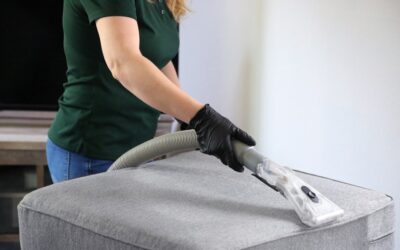
A moisture-barrier pad changes how you should respond to spills. Because liquid sits on top of the barrier rather than vanishing into the subfloor, you get a real chance to extract it, but you have to actually do so. Blot up spills promptly and, for larger accidents, use a wet-dry vacuum or extractor to pull moisture out of the carpet and the top of the pad. Do not assume the barrier means you can ignore a spill; trapped moisture above the film can still cause mold in the carpet if left wet. Treat the barrier as a tool that buys you time and protects the structure, not as permission to skip cleanup.
The Bottom Line
For the right room, waterproof carpet padding is a smart, relatively affordable upgrade that keeps spills, pet accidents, and dampness from ruining your subfloor and breeding odor. Just go in with realistic expectations: it protects against everyday liquids and minor moisture, not floods, and a soaked carpet still needs proper drying even with a barrier underneath. Use it where the risk is real, choose a quality density within your warranty limits, and it will quietly save you from a lot of cleanup headaches.