
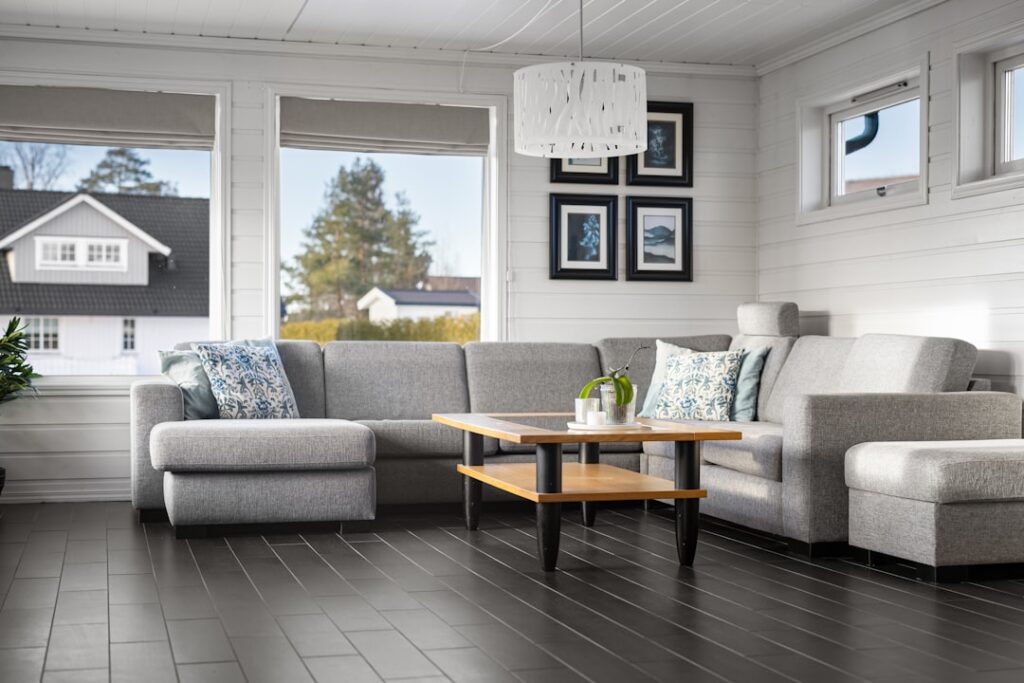
A single plumbing leak can destroy traditional hardwood in hours, but waterproof luxury vinyl plank flooring laughs off standing water without warping, buckling, or staining. That resilience, paired with realistic wood-grain visuals and a price point between $2.50 and $7.00 per square foot, explains why LVP now outsells every other resilient flooring category in the United States. Whether you are renovating a basement prone to moisture or upgrading a busy kitchen, the right waterproof plank makes all the difference.
Part of our Roofing guide — explore the full guide →
What Makes LVP Truly Waterproof
Every luxury vinyl plank starts with a core layer, and the core material determines how well it handles moisture. Two technologies dominate the market: WPC (Wood Plastic Composite) and SPC (Stone Plastic Composite). WPC cores blend wood dust and plastic polymers, creating a softer, warmer plank that feels more comfortable underfoot. SPC cores use limestone and PVC, producing a denser, more rigid board that resists denting from heavy furniture.
Both core types are 100% waterproof at the plank level. The weak points are the seams. High-quality click-lock systems with tight tolerances keep water on the surface where you can wipe it away. Budget planks with loose joints can allow moisture to seep underneath, leading to mold growth on the subfloor even though the plank itself is fine. Always check that the product you choose has been tested and rated for full waterproof performance, not just “water-resistant.”
SPC vs WPC: Which Core Should You Pick
Your choice between SPC and WPC depends on where the floor will go and how much traffic it will handle. SPC planks are thinner (typically 4-6 mm), extremely rigid, and almost impossible to dent. They work well in commercial spaces, basements, and rooms with heavy appliances. Installed cost usually runs $3.50-$6.00 per square foot.
WPC planks are thicker (5-8 mm), quieter underfoot, and slightly more forgiving on uneven subfloors because the softer core absorbs minor imperfections. They are ideal for living rooms, bedrooms, and upper-story installations where comfort and sound absorption matter. Expect to pay $4.00-$7.00 per square foot installed.
- Best for basements and kitchens: SPC core for maximum moisture resistance and dent protection
- Best for bedrooms and living areas: WPC core for warmth and noise reduction
- Best for rental properties: SPC core for durability and lower replacement cost
Top Waterproof LVP Brands for 2026
Not every brand delivers the same quality, and the differences show up after a year or two of real-world use. These manufacturers consistently score well in independent wear tests and installer reviews.
COREtec Pro Plus
COREtec pioneered the WPC category and remains one of the most trusted names in the space. The Pro Plus line features a 20-mil wear layer, attached cork underlayment, and a patented waterproof core. Retail pricing averages $4.50-$5.50 per square foot. Planks measure 7 inches wide by 48 inches long, giving rooms a modern wide-plank look.
Shaw Floorte Pro Series
Shaw’s Floorte Pro line uses an SPC core with an integrated acoustic pad. The 20-mil commercial wear layer handles rolling office chairs and pet claws without visible scratching. Pricing runs $3.50-$5.00 per square foot, and Shaw backs it with a lifetime residential warranty.
LifeProof (Home Depot Exclusive)
LifeProof offers one of the best value propositions in waterproof luxury vinyl plank flooring. Priced at $2.50-$3.50 per square foot, the rigid SPC core and 6-mil wear layer suit budget-conscious renovations. The drop-and-lock installation system is genuinely beginner-friendly, making it a solid DIY option.
Wear Layer Thickness Explained
The wear layer is the transparent top coating that protects the printed design from scratches, scuffs, and UV fading. Thickness is measured in mils (thousandths of an inch), and this number directly predicts how long your floor will look new.
- 6-8 mil: Light residential use, bedrooms, guest rooms. Budget-friendly but shows wear in 5-8 years in high-traffic areas.
- 12 mil: Standard residential use. Handles families with kids and pets for 10-15 years before showing significant wear.
- 20+ mil: Heavy residential or light commercial use. The sweet spot for kitchens, hallways, and open-concept living spaces.
Spending an extra $1.00-$1.50 per square foot to jump from a 6-mil to a 20-mil wear layer almost always pays for itself in longevity. On a 500 sq ft installation, that is $500-$750 more upfront versus a full replacement costing $3,000+ in five years.
Installation Tips for a Watertight Result
Even the best waterproof plank fails if the installation is sloppy. Start with a clean, flat subfloor. SPC can tolerate minor imperfections up to 3/16 inch over 10 feet, but anything worse needs leveling compound first. Acclimate the planks in the room for 48 hours so they adjust to the temperature, ideally between 65-85 degrees Fahrenheit.
Stagger end joints by at least 6 inches between adjacent rows to prevent water from finding a straight path through the seams. Use a tapping block and rubber mallet to seat the click-lock connections completely. Leave a 1/4-inch expansion gap around all walls and fixed objects, then cover it with baseboards or quarter-round trim.
For bathrooms and laundry rooms, apply a bead of waterproof seam sealant along the tongue before clicking planks together. This extra step takes about 30 minutes per room and virtually eliminates any chance of moisture reaching the subfloor.
Maintenance and Long-Term Care
Waterproof LVP is one of the lowest-maintenance flooring options available. Sweep or vacuum two to three times per week to remove grit that can micro-scratch the wear layer over time. Damp-mop weekly with a pH-neutral vinyl floor cleaner. Avoid steam mops, which can soften adhesive bonds and damage the click-lock joints at high temperatures.
Place felt pads under furniture legs and use a flat dolly when moving heavy appliances across the floor. While SPC resists denting better than WPC, neither core is invulnerable to a refrigerator dropped from an inch above the surface. Area rugs at entryways trap sand and gravel before it gets tracked across the room.
Cost Breakdown for a Typical Project
A realistic budget for a 500 sq ft waterproof LVP project in 2026 looks like this:
- Material (mid-range SPC, 12-mil wear layer): $1,750-$2,500
- Underlayment (if not attached): $150-$250
- Professional installation labor: $1,000-$1,750
- Transition strips and trim: $75-$150
- Total project cost: $2,975-$4,650
DIY installation cuts the labor cost entirely, bringing the total to $1,975-$2,900 for the same room. Most homeowners with basic tool skills can install 100-150 sq ft per day, meaning a 500 sq ft room takes a long weekend to complete.
Is Waterproof LVP Right for Your Home
Waterproof luxury vinyl plank flooring works in virtually every room, including basements, bathrooms, and kitchens where hardwood and laminate struggle. The only spaces where it falls short are uncovered outdoor areas exposed to direct UV radiation and extreme temperature swings. If you want the look of real wood without the anxiety of water damage, LVP is the most practical choice on the market today. Pair a quality SPC or WPC plank with proper installation technique, and you will have a floor that looks great and performs flawlessly for 15-25 years.
Prefer to explore on your own?
See how new flooring looks in your actual room in seconds — free, no signup.
Try the free Floor Studio →

