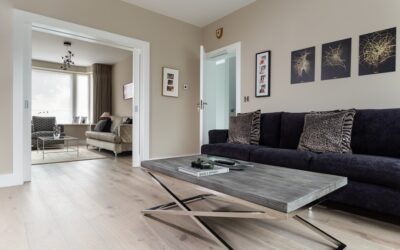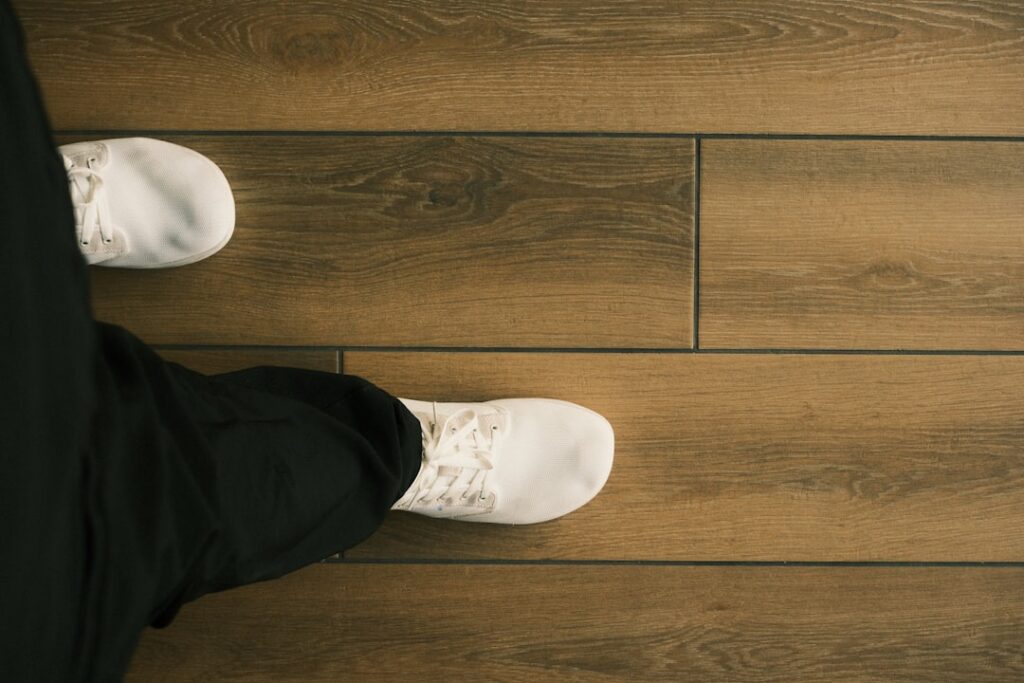
Waterproof tile effect laminate flooring gives you the realistic look of ceramic or stone tile with the warmth, comfort, and lower cost of laminate, and modern high-definition printing now reproduces grout lines and stone veining so convincingly that many people cannot tell the difference underfoot. It bridges a long-standing gap: homeowners love the look of tile but dislike its cold, hard surface and expensive installation. At D and G Flooring, we help homeowners weigh this increasingly popular option so you know exactly what you are buying and where it performs best.
What Is Waterproof Tile Effect Laminate
This flooring is a laminate product printed with a tile or stone design and engineered with a water-resistant or waterproof core and surface treatment. Traditional laminate has a fiberboard core that swells when wet, which historically made it a poor fit for bathrooms and kitchens. Waterproof versions use an upgraded core, tighter locking joints, and sealed surfaces designed to keep water from reaching and damaging the core. The result is a floating floor that clicks together like standard laminate but resists moisture, while a high-definition photographic layer and an embossed texture mimic the appearance and feel of real tile, including grout-line detailing.
Understanding Water-Resistant vs Waterproof
It is important to read labels carefully, because these terms are not identical. Water-resistant laminate can handle splashes and spills if wiped up reasonably quickly, but prolonged standing water can still cause damage. Waterproof laminate is built to withstand water for longer without the core swelling, making it suitable for genuinely wet-prone rooms. Always check the manufacturer’s specific rating and warranty language, including any limits on how long water can sit and which rooms are covered. Knowing exactly what protection you are buying prevents disappointment and helps you place the floor where it will succeed.
The Pros of Tile Effect Laminate
- Realistic tile look: High-definition printing and texture deliver the appearance of ceramic, porcelain, or stone convincingly.
- Warmer and softer underfoot: Unlike real tile, laminate feels warmer and is more comfortable to stand on, and it is compatible with many underfloor heating systems.
- Lower cost: Both materials and installation typically cost less than genuine tile, which requires mortar, grout, and skilled labor.
- Easier installation: The click-lock floating system is far faster than setting tile, and is DIY-friendly for many homeowners.
- Moisture resistance: Waterproof versions open up kitchens, bathrooms, and laundry rooms that standard laminate could not handle.
- Low maintenance: No grout to scrub and reseal, and routine sweeping and damp mopping keep it clean.
The Cons to Weigh
- Not identical to real tile: While convincing, it lacks the exact hardness and depth of genuine stone or ceramic up close.
- Repair limitations: Like all laminate, a deeply scratched or damaged plank usually must be replaced rather than refinished.
- Seam vulnerability: Even waterproof products rely on tight joints, and standing water at damaged seams can still cause issues over time.
- Resale perception: Some buyers prefer real tile in bathrooms, so it may carry slightly less prestige than the genuine material.
- Subfloor sensitivity: It needs a flat, clean subfloor to perform well, the same as any floating floor.
Where It Works Best
Waterproof tile effect laminate is a strong choice in rooms where you want the tile look without the cold and cost. Kitchens benefit from its water resistance and comfort underfoot during long stretches of standing. Bathrooms and powder rooms gain a warmer, softer surface than ceramic. Laundry rooms, mudrooms, and entryways suit it well thanks to moisture resistance and durability. It also works throughout open-plan spaces where you want a continuous tile aesthetic without breaking the budget. For areas with constant standing water or where a fully sealed surface is essential, real tile or sheet vinyl may still be preferable, so match the product rating to the room.
Installation Overview
One of the biggest appeals is the straightforward installation. The planks or tiles use a click-lock system and float over an underlayment, so no adhesive or grout is required for the basic install. Key steps mirror any quality laminate job: acclimate the material to the room for the recommended time, ensure the subfloor is clean, dry, and flat within the manufacturer’s tolerance, use the specified underlayment and a moisture barrier over concrete, and leave the proper expansion gap around the perimeter. For waterproof performance in wet rooms, some products call for sealing the perimeter and seams with a recommended sealant, so follow the instructions precisely to keep the warranty valid.
Cost Expectations
Waterproof tile effect laminate generally costs less than real tile when you account for both material and labor. In the US market, material prices fall in a moderate per-square-foot range, with premium waterproof and high-definition products costing more. The bigger savings come from installation, since the floating click system is much faster and cheaper than the mortar, grout, and skilled labor a tile installation requires. When comparing options, factor in the long-term savings from low maintenance and the absence of grout upkeep, which adds to the value over the life of the floor.
Maintenance and Care
Caring for this floor is simple. Sweep or vacuum regularly to remove grit that can scratch the surface, and damp mop with a manufacturer-approved cleaner, avoiding excessive water even on waterproof products. Wipe up spills promptly, especially near seams. Use felt pads under furniture and walk-off mats at entries to reduce wear and trapped grit. Avoid steam mops unless the manufacturer specifically approves them, since excess heat and moisture can stress the joints. With routine care, a quality waterproof tile effect laminate floor stays attractive and functional for many years.
Final Thoughts
Waterproof tile effect laminate flooring offers a compelling middle ground: the realistic appearance of tile with the warmth, comfort, easier installation, and lower cost of laminate, plus moisture resistance that finally makes it viable in kitchens and bathrooms. Be sure to confirm whether a product is truly waterproof or only water-resistant, prepare the subfloor properly, and follow installation instructions to protect both performance and warranty. For homeowners who love the tile aesthetic but want a friendlier surface and budget, this flooring is well worth considering for the moisture-prone and high-traffic rooms of your home.
Prefer to explore on your own?
See how new flooring looks in your actual room in seconds — free, no signup.
Try the free Floor Studio →