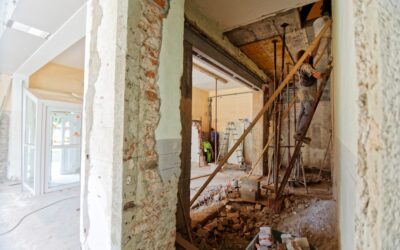
Water damage is one of the most expensive problems a home can develop, and a finished basement flood can erase tens of thousands of dollars in value overnight. Understanding waterproofing cost up front helps you budget for prevention that is almost always cheaper than the repair. The price you pay depends heavily on the method, the area being treated, and the severity of the moisture problem, so a quick interior sealant job and a full exterior excavation live on opposite ends of the spectrum. The ranges below give you a realistic planning framework, but local quotes are essential since labor rates and site conditions vary widely.
Part of our Roofing guide — explore the full guide →
- What Drives Waterproofing Cost
- Basement Waterproofing Cost
- Foundation and Crawl Space Waterproofing
- Roof and Exterior Waterproofing
- DIY vs. Professional Waterproofing
- Hidden Costs to Budget For
- How to Save on Waterproofing
- Cost by Project Size and Scope
- When Waterproofing Pays for Itself
- Getting Accurate Quotes
What Drives Waterproofing Cost
Before looking at numbers, it helps to understand what moves the price. The biggest factors are the type of waterproofing, the square footage or linear footage involved, and how serious the water intrusion is. A home with active flooding and a high water table costs far more to treat than one needing routine moisture control. Other drivers include accessibility, whether excavation is required, the condition of existing surfaces, and regional labor rates. Because of these variables, any single number is only a starting point.
Basement Waterproofing Cost
Basements are the most common waterproofing project, and costs range broadly depending on the approach.
- Interior sealants and coatings: Roughly $3 to $9 per square foot. The most affordable route, sealing walls and floors from the inside to manage minor dampness.
- Interior drainage system with sump pump: Often $3,000 to $10,000 or more. A perimeter drain channels water to a sump pump that ejects it away from the home.
- Exterior excavation and membrane: Typically $10,000 to $20,000 or more. The most thorough and expensive method, digging down to the foundation to apply a waterproof barrier.
A full basement project commonly lands somewhere between $4,000 and $15,000 depending on which methods are combined and the size of the space.
Foundation and Crawl Space Waterproofing
Foundation waterproofing overlaps with basement work but focuses on protecting the structure itself. Sealing foundation cracks runs a few hundred dollars for minor work, while addressing significant foundation moisture with drainage and membranes can climb into the five-figure range. Crawl space encapsulation, which lines the space with a heavy vapor barrier and often adds a dehumidifier, commonly costs $5,000 to $15,000 depending on size and condition. These projects protect against rot, mold, and structural damage that would cost far more to remediate later.
Roof and Exterior Waterproofing
Waterproofing is not just a below-grade concern. Flat and low-slope roofs, decks, and balconies all benefit from waterproof membranes. Roof waterproofing coatings often run $2 to $7 per square foot, while a liquid-applied membrane on a deck or balcony falls in a similar range depending on the system. Exterior wall waterproofing and the application of elastomeric coatings vary with surface area and prep work required. As with basements, the more excavation or structural prep involved, the higher the bill.
DIY vs. Professional Waterproofing
Some waterproofing tasks are genuinely DIY-friendly, while others demand a pro. Applying an interior masonry sealant, caulking gaps, regrading soil away from the foundation, and installing gutter extensions are all reasonable weekend projects costing mostly materials, often a few hundred dollars. However, interior drainage systems, sump pump installation, exterior excavation, and crawl space encapsulation involve heavy labor, code considerations, and the risk of doing it wrong, which can mask a worsening problem. For anything beyond surface sealing or simple drainage improvements, hiring a qualified waterproofing contractor is the safer investment.
Hidden Costs to Budget For
The headline quote rarely tells the whole story. Build in a cushion for these common add-ons.
- Mold remediation: If moisture has already caused mold, removal can add hundreds to several thousand dollars.
- Foundation crack repair: Structural cracks must be addressed before waterproofing, adding to the total.
- Landscaping and grading: Correcting the slope around the home or rerouting downspouts.
- Permits: Major drainage or excavation work may require permits and inspection fees.
- Restoration: Replacing drywall, flooring, or insulation damaged by past water intrusion.
How to Save on Waterproofing
You do not have to overspend to protect your home. Start with the cheap, high-impact basics: clean and extend your gutters and downspouts, and regrade soil so it slopes away from the foundation. These simple steps solve many minor moisture issues for a fraction of the cost of interior systems. Get at least three written quotes, since prices for the same job can vary substantially between contractors. Address problems early, because a small crack sealed today is far cheaper than a flooded basement next spring. And ask contractors to explain why they recommend a given method, so you pay only for what your situation actually requires.
Cost by Project Size and Scope
It helps to think about waterproofing cost in tiers based on how much of the home is involved. A targeted fix, such as sealing a few foundation cracks or applying interior masonry coating to one wall, often stays under $1,000 and is the cheapest category. A moderate project, like installing an interior perimeter drain with a sump pump in an average basement, typically lands in the mid four-figure range and addresses ongoing seepage rather than a single spot. A comprehensive solution, combining exterior excavation, membrane application, drainage, and interior systems for a chronically wet basement, climbs into the high five figures. Matching the scope to the actual severity of your problem is the single biggest lever on the final price, which is why a proper inspection comes first.
When Waterproofing Pays for Itself
Waterproofing rarely feels exciting to spend money on, but the return is real. Preventing a single finished-basement flood can save tens of thousands of dollars in destroyed flooring, drywall, furniture, and belongings, plus the cost of mold remediation that often follows. A dry, waterproofed basement also protects your home’s structure and preserves resale value, since buyers and inspectors flag moisture problems quickly. In flood-prone or high-water-table areas, proactive waterproofing can even lower the risk profile insurers care about. Viewed against the cost of water damage repair and lost home value, prevention is almost always the cheaper path over time.
Getting Accurate Quotes
Because waterproofing cost depends so heavily on local conditions and the severity of your moisture problem, the ranges here are planning estimates, not firm prices. The reliable next step is to have a reputable local waterproofing contractor inspect your home and provide a written, itemized quote. Ask whether they offer a transferable warranty, what method they recommend and why, and whether the price includes any necessary crack repair or restoration. With three comparable quotes in hand, you can budget confidently and choose a solution that protects your home without overpaying.