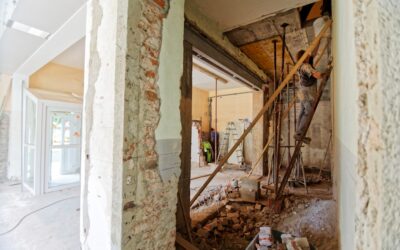
Interior basement sealers and sump pumps treat the symptoms, but they don’t stop water from pressing against your foundation in the first place. The only way to actually keep groundwater out of the structure is to seal it where it enters: outside. The cost to waterproof basement from outside typically runs $15 to $30 per square foot of wall, or $10,000 to $20,000 for an average home, because the job requires excavating down to the footing. It’s a significant investment, but for chronic water problems, it’s the permanent fix.
What Exterior Waterproofing Involves
Exterior waterproofing is the most thorough method available because it stops water before it touches your foundation. The process starts with excavating around the foundation walls all the way down to the footing, often 7 to 8 feet deep.
Once the walls are exposed, crews clean and repair any cracks, then apply a waterproof membrane or coating. A new drainage layer and an exterior French drain, also called a footing drain, are installed to channel water away. Finally the trench is backfilled. This addresses the root cause rather than managing water after it’s already inside.
Average Cost Breakdown
The total depends heavily on how much wall needs treatment and how deep the excavation goes. Here’s how the pricing generally shakes out.
- Per linear foot: $80 to $250 of foundation wall, depending on depth and access.
- Per square foot: $15 to $30 of wall surface treated.
- Full perimeter average home: $10,000 to $20,000, with complex jobs reaching $30,000 or more.
- Exterior French drain alone: $1,500 to $4,000 if added separately.
Factors That Drive the Price Up or Down
Excavation is the single biggest cost variable. The deeper and more extensive the digging, the higher the bill, especially if heavy equipment can’t easily reach the foundation. Tight lots, landscaping, decks, patios, and driveways that must be removed and replaced all add thousands.
Soil type matters too. Dense clay or rocky ground is slower and costlier to excavate than loose loam. The condition of your foundation, the presence of existing cracks, and local labor rates further shift the total. Homes with finished landscaping, walkways, or utilities running alongside the foundation almost always cost more than a clear, open lot.
Exterior Versus Interior Waterproofing
Many homeowners weigh exterior work against the cheaper interior approach. Interior waterproofing, which uses drainage channels and a sump pump inside the basement, runs $3,000 to $10,000 and manages water after it enters. It’s less disruptive and far less expensive.
Exterior waterproofing costs more but solves the problem at the source, preventing water from ever contacting the foundation, which protects the concrete from long-term hydrostatic damage. For severe, recurring water intrusion or for finishing a basement you want bone-dry, the exterior method is worth the premium. For minor seepage, interior solutions often suffice.
Additional Costs to Budget For
The base waterproofing price rarely captures the whole project. Plan for several add-ons that can meaningfully raise the total.
- Landscaping restoration: $1,000 to $5,000 to replace plants, sod, and hardscaping after excavation.
- Foundation crack repair: $250 to $800 per crack if structural sealing is needed.
- Permits: $100 to $500 depending on your municipality.
- Sump pump installation: $1,000 to $3,000 if added as backup.
The Step-by-Step Process Explained
Knowing what your money pays for helps you evaluate quotes. The work unfolds in a clear sequence over several days, sometimes a week or more for a full perimeter on a large home.
- Excavation: Crews dig a trench around the foundation down to the footing, the most labor-intensive and weather-dependent stage.
- Wall cleaning and repair: The exposed concrete is cleaned, and cracks are patched with hydraulic cement or epoxy.
- Membrane application: A rubberized asphalt or polymer membrane is troweled or rolled onto the walls, then often covered with a dimpled drainage board.
- Footing drain installation: Perforated pipe in gravel collects water and routes it to daylight or a sump.
- Backfill and restoration: The trench is filled, compacted, and the surface regraded to slope away.
How to Save Money Without Cutting Corners
Exterior waterproofing is expensive, but a few smart moves trim the bill without compromising results. Clear access for the excavator yourself by removing movable landscaping, decks, and obstructions before the crew arrives, saving labor hours.
Address the cheap exterior fixes first, since proper gutters, downspout extensions, and regrading sometimes solve moderate problems for a few hundred dollars and may let you skip full excavation entirely. Get quotes in the off-season, typically late fall or winter, when contractors are slower and more willing to negotiate. Just never let a contractor skip the drainage layer or membrane to hit a lower number, because that’s the part that actually keeps water out.
Is Exterior Waterproofing Worth It
For a home with persistent flooding, mold, or a foundation showing water stress, the answer is usually yes. Exterior waterproofing is the longest-lasting solution, with quality membranes warrantied for 10 years or more, and it protects both your living space and your home’s structural integrity.
Before committing, get at least three quotes from licensed foundation contractors and ask each to itemize excavation, membrane, drainage, and restoration separately. Understanding the full cost to waterproof basement from outside upfront, including the hidden line items, lets you compare bids fairly and avoid mid-project surprises on one of the larger home repairs you’ll ever tackle.
Return on Investment and Resale Impact
A dry basement is more than a comfort upgrade; it directly affects your home’s value and salability. Buyers and home inspectors scrutinize basements closely, and visible water stains, efflorescence, or a musty smell can tank an offer or trigger a repair credit.
While exterior waterproofing rarely returns 100% of its cost as a line item, it protects the value of everything above it, from the foundation itself to any finished living space. A waterproofed, finished basement can add usable square footage worth far more than the waterproofing investment, and homes with documented, warrantied waterproofing sell faster and with fewer negotiating headaches. Keep all receipts, warranties, and permits, since being able to show a buyer that the work was done professionally and to code turns a former liability into a genuine selling point.