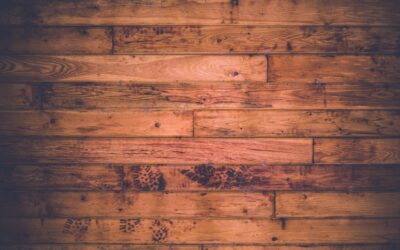
There is a particular warmth to a waxed wood floor that no polyurethane finish quite matches. The wax soaks into the grain instead of sitting on top like a plastic shell, giving the wood a soft, low-luster glow and a hand-rubbed feel underfoot. I have restored plenty of century-old homes where the original floors were wax-finished, and clients who fall in love with that patina rarely want to switch to a modern coating.
That said, wax is not the low-maintenance option, and choosing it means signing up for a care routine. Before you commit, it helps to understand exactly what you are getting, how it compares to surface finishes, and what it costs to keep looking good. This guide lays it all out from a contractor’s point of view.
- What a Waxed Finish Actually Is
- The Pros of a Waxed Wood Floor
- The Cons You Need to Know
- Wax vs. Polyurethane: The Honest Comparison
- How to Care for a Waxed Wood Floor
- Fixing a Damaged Waxed Floor
- Hard-Wax Oil: A Modern Middle Ground
- Which Wood Species Take Wax Best
- Frequently Asked Questions
- The Bottom Line
What a Waxed Finish Actually Is
A wax finish is a penetrating treatment. After the floor is sanded bare, a penetrating oil or sealer often goes down first, then a paste or liquid wax (traditionally carnauba or beeswax blended with solvents) is applied and buffed to a sheen. Unlike polyurethane, which forms a hard film on the surface, wax penetrates the top fibers of the wood and hardens there. The wood surface itself, not a coating, is what your foot touches. That is the whole reason the finish feels and looks so natural.


The Pros of a Waxed Wood Floor
Homeowners choose wax for reasons that go beyond looks, though the appearance is usually the deciding factor.
- Warm, natural appearance: A soft matte to satin glow that enhances grain rather than masking it.
- Easy spot repair: Scratches and worn spots can be buffed out and re-waxed without refinishing the entire floor. This is wax’s biggest practical advantage.
- Low upfront cost: Materials are inexpensive, and application does not require the ventilation and equipment of some heavy-duty finishes.
- Period-correct authenticity: For historic homes, wax matches what was originally there.
- Pleasant underfoot feel: No slick, hard plastic film; the surface feels like wood.
The Cons You Need to Know
I never let a client choose wax without walking through the downsides, because the maintenance surprises people.
- Regular upkeep: A waxed floor needs re-waxing every 6 to 12 months in traffic areas and a full strip-and-rewax every few years.
- Water sensitivity: Wax offers poor moisture protection. Standing water leaves white spots and can penetrate to the wood. Wax floors are a poor choice for kitchens, bathrooms, and entryways.
- Shows wear faster: High-traffic paths dull and need attention sooner than a polyurethane floor.
- Not compatible with poly: Once a floor is waxed, you cannot apply polyurethane over it later without a complete sanding. Wax contamination causes poly to fish-eye and fail to bond.
- Can get slippery: A freshly waxed and buffed floor can be slick, especially in socks.
Wax vs. Polyurethane: The Honest Comparison
This is the question every client asks, so here is my straight answer.
Choose Wax If
You want an authentic, warm, matte look, you own a historic home, you are willing to maintain the floor, and the room is low-moisture and moderate-traffic. Wax rewards owners who enjoy the ritual of caring for their floors.
Choose Polyurethane If
You want a durable, water-resistant, low-maintenance surface that can go 7 to 10 years between recoats. Modern water-based and oil-based polys protect against spills, kids, and dogs far better than wax. For most busy households, poly is the better choice.
Cost-wise, a professional oil or wax finish runs similar to a poly finish at the outset, roughly $3 to $8 per square foot as part of a refinish, but wax’s ongoing maintenance adds up over the years in either your time or a service fee.
How to Care for a Waxed Wood Floor
If you go with wax, a consistent routine keeps it looking its best and stretches the time between full re-waxings.
- Sweep or dust-mop regularly. Grit is the enemy; it grinds into the soft wax and scratches the wood.
- Clean with a barely damp mop and a wax-safe cleaner only. Never wet-mop and never use water-based floor cleaners or vinegar, which strip wax and raise the grain.
- Buff periodically. A soft buffing pad restores shine without adding new wax and pulls dull traffic areas back to life.
- Re-wax high-traffic zones every 6 to 12 months. Apply a thin coat of paste wax, let it haze, and buff.
- Strip and re-wax fully every 2 to 3 years, or when buildup yellows the floor, using mineral spirits to remove old wax first.
Wipe spills immediately. A glass of water left overnight will leave a white cloudy ring that requires spot re-waxing to fix.
Fixing a Damaged Waxed Floor
The upside of all that maintenance is that repairs are genuinely easy, which is something poly cannot claim. A scratch or scuff usually buffs out. A white water mark often disappears with a light rub of fine steel wool (0000 grade) and fresh wax. Worn traffic lanes get a spot re-wax and a buff rather than a full floor refinish. Because you are not dealing with a continuous film, you can treat one square foot without touching the rest of the room. This is why many owners of antique floors stick with wax generation after generation.
Hard-Wax Oil: A Modern Middle Ground
If the traditional wax look appeals to you but the maintenance scares you off, ask about hard-wax oil finishes such as Rubio Monocoat or Osmo. These products blend natural oils and waxes into a formula that penetrates the wood like classic wax but cures into a more durable, water-resistant surface. They deliver much of the matte, natural appearance of a waxed wood floor while standing up better to moisture and traffic. They still allow spot repairs, which pure polyurethane does not, which makes them a strong choice for anyone who loves the wax aesthetic but needs a floor that can handle a real family. Expect to pay a modest premium over standard wax, roughly $4 to $9 per square foot installed, and to recoat every 3 to 5 years rather than every year.
Which Wood Species Take Wax Best
Not every floor is an ideal candidate for wax. Dense, tight-grained hardwoods like maple and birch accept wax evenly and buff to a consistent glow. Open-grained species such as oak and ash soak up wax beautifully and develop a rich patina over the years, which is why so many antique oak floors were wax-finished. Very oily tropical species like teak can resist penetration and may need extra prep. Softwoods like pine dent easily under any finish, but because wax repairs are so simple, pine floors are actually a reasonable match for a waxed treatment. When in doubt, test your wax and buffing routine on a closet or an inconspicuous corner before committing to the whole room.
Frequently Asked Questions
How often does a waxed wood floor need re-waxing?
Plan on re-waxing high-traffic areas every 6 to 12 months and doing a complete strip-and-rewax every 2 to 3 years. Low-traffic rooms can stretch longer. Regular buffing between waxings extends the life of each coat.
Can you put polyurethane over a waxed floor?
No, not without fully sanding the floor down to bare wood first. Any wax residue prevents polyurethane from bonding and causes the finish to bead, fish-eye, and peel. This is one of the most important things to know before choosing wax.
Is a waxed floor a good choice for a kitchen?
Generally no. Wax offers weak moisture protection, and kitchens see frequent spills and standing water. A durable polyurethane or a hard-wax oil rated for wet areas is the better choice in kitchens, baths, and entryways.
The Bottom Line
A waxed wood floor delivers a warmth and authenticity that surface finishes struggle to match, and its easy spot-repairs are a real advantage in historic and low-traffic settings. The trade-off is honest, ongoing maintenance and poor moisture resistance. If you love the look, own an older home, and do not mind the routine, wax is a beautiful choice. If you want set-it-and-forget-it durability for a busy family, a modern polyurethane will serve you better. Match the finish to how you actually live, and you will be happy with the floor for years.
Prefer to explore on your own?
See how new flooring looks in your actual room in seconds — free, no signup.
Try the free Floor Studio →