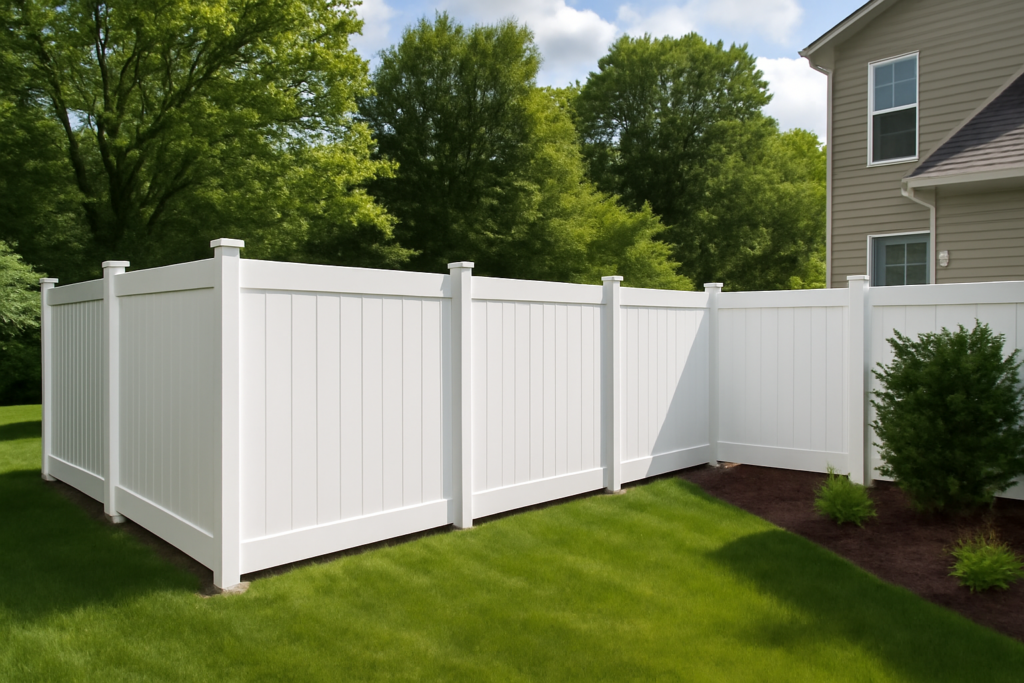
If you are weighing fencing options that look sharp for years without constant upkeep, a weatherables vinyl fence belongs on your shortlist. Weatherables is an established vinyl fencing and railing brand that sells PVC fence systems as kits, along with individual posts, panels, pickets, gates, and the hardware needed to tie everything together. The appeal is straightforward: vinyl does not rot, does not need painting or staining, and shrugs off the moisture and insects that slowly destroy wood.
This guide walks you through the styles you can choose from, what comes in a typical kit, how installation actually works, and the realistic budget and maintenance picture. The goal is to help you decide whether vinyl is the right material for your yard and to set expectations before you order a single post.
What Is a Weatherables Vinyl Fence?
Weatherables manufactures fencing made from polyvinyl chloride, the same rigid PVC family used in many exterior building products. Rather than selling raw boards the way a lumberyard does, the brand packages its fencing into component kits and sections so homeowners and contractors can assemble a run with predictable parts. You will generally find privacy panels, semi-privacy and picket styles, pool-code-friendly configurations, and matching railing for decks and porches.
The reason people gravitate to vinyl is durability without the chores. Wood demands sealing or staining every few years and still cups, splinters, and grays over time. Quality vinyl holds its color and shape far longer, which is why it has become a mainstream alternative for residential yards, pool surrounds, and front-yard accents.
Fence Styles and Configurations
Vinyl fencing comes in several looks, and choosing the style first makes every later decision easier. Common categories include:
- Full privacy: Solid panels with tongue-and-groove pickets that block sightlines, popular for backyards and around patios.
- Semi-privacy: Panels with narrow gaps or a lattice top that filter views while letting air and light through.
- Picket: The classic open spaced-picket look for front yards and decorative boundaries.
- Pool fencing: Configurations designed to meet barrier requirements, where local pool codes dictate height and picket spacing.
- Ranch and post-and-rail: Open horizontal rails for property lines and a more rural aesthetic.
Heights commonly range from around 3 feet for decorative picket up to 6 feet or more for privacy. Always confirm the exact height and spacing requirements with your local building department before ordering, since pool and boundary fences are frequently regulated.
What Comes in a Vinyl Fence Kit
One of the advantages of buying a system is that the parts are designed to work together. A typical privacy run includes:
- Posts: Line posts for the middle of a run, end posts where a fence terminates, corner posts where it turns, and gate posts engineered to carry a swinging gate.
- Rails: Horizontal members, often internally reinforced on taller panels to resist sag and wind load.
- Pickets or panel infill: The vertical boards that create the privacy or picket pattern.
- Post caps: Decorative tops that finish each post and keep water out.
- Gates and hardware: Hinges, latches, and gate kits sized to the opening.
Because hollow vinyl posts have less inherent strength than solid wood, gate posts and end posts often need internal reinforcement or a concrete-set footing to stay rigid. Follow the manufacturer’s documentation for which posts require reinforcement in your specific configuration.
How Installation Works
Installing vinyl fence is well within reach for a confident DIYer, but accuracy matters more than with wood because the panels are rigid and unforgiving of crooked posts. The general sequence looks like this:
- Call before you dig. Contact 811 in the United States to have underground utilities marked. This is free and required, and hitting a buried line is dangerous and expensive.
- Lay out the line. Mark corners and post locations with stakes and string, then measure post spacing precisely to match the panel length.
- Dig and set posts. Dig footings below your local frost line, set posts in concrete, and use a level on two sides of every post. Let the concrete cure before hanging panels.
- Install rails and pickets. Slot the rails into the routed holes in the posts and assemble the panel infill per the instructions.
- Hang gates and caps. Mount gate hardware, check the swing, and glue or secure post caps last.
Plan your post spacing around the manufactured panel width rather than eyeballing it. A post set even an inch off can prevent a rigid panel from seating correctly.
Safety and Best Practices
Treat the install as a real construction project. Wear safety glasses and gloves when cutting vinyl, and use a fine-tooth blade to avoid chipping. Work in a ventilated area when using PVC cement, since the solvents give off strong fumes, and follow the product label exactly. Setting posts in concrete is heavy, awkward work, so have a helper for taller panels and on windy days when large privacy sections can act like sails. Most importantly, read and follow the manufacturer’s installation instructions for your specific kit, because reinforcement requirements and footing depths vary by configuration and region. If your yard has steep slopes, rocky soil, tricky property-line questions, or pool-code requirements you are unsure about, hiring a licensed fencing contractor is money well spent.
Maintenance and Longevity
This is where vinyl earns its reputation. There is no sanding, staining, or sealing. To keep a vinyl fence looking new, rinse it with a garden hose a couple of times a year, and wash stubborn dirt or mildew with mild soap and water and a soft brush. Avoid harsh abrasives that could dull the surface. Inspect the fence after major storms for any loosened caps or shifted posts, and re-secure anything that has moved. Because the color runs through the material rather than sitting on top as paint, scratches are far less noticeable than on wood or metal.
What Does It Cost?
Pricing varies widely with style, height, gate count, and your region, so treat any figure as a rough estimate rather than a quote. As a general guide, vinyl fencing materials often land somewhere in the range of roughly $25 to $60 per linear foot, with privacy panels and gates pushing toward the higher end and open picket toward the lower. Professional installation typically adds a comparable amount per linear foot depending on terrain and labor rates in your area. Gates, decorative caps, and reinforced posts add to the total. For an accurate number, measure your run, decide on style and height, and request a current quote based on real material lists rather than relying on ballpark numbers.
For many homeowners, the higher upfront cost compared with wood is offset over time by skipping years of paint, stain, and board replacement. A well-installed vinyl fence that needs little more than an occasional rinse can be a genuinely low-stress addition to your property, combining privacy, curb appeal, and durability in one package.