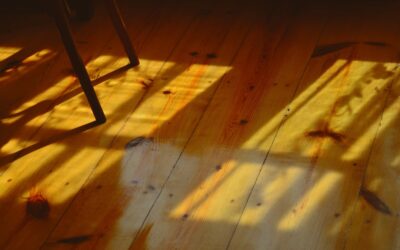
If your hardwood or laminate floors look dull, scratched, and tired but you are nowhere near ready to sand and refinish, Weiman Wood Floor Polish and Restorer is one of the most popular over-the-counter fixes on the market. It is a water-based, acrylic-style liquid polish that fills in micro-scratches, restores shine, and lays down a protective layer that resists future scuffs. Sold in roughly 32-ounce bottles for around $8 to $12, it promises the look of a freshly refinished floor for a fraction of the cost and time. The reality is more nuanced: it works genuinely well on the right floors when used correctly, and it can create a hazy, sticky mess when used on the wrong ones. This guide explains exactly what it does, how to apply it, and when to reach for something else.
What the Product Actually Does
Weiman’s restorer is not a cleaner and it is not a wax. It is a polish that dries into a thin, clear, semi-durable film across the surface of your floor. That film does two things. First, it optically fills the tiny surface scratches and dull spots that scatter light and make a floor look worn, so the surface reflects light more evenly and reads as glossy and revived. Second, it adds a fresh sacrificial layer that takes the abrasion of foot traffic instead of your original finish, buying time before a real refinish is needed.
Because it builds a film, results are cumulative but also temporary. A single coat typically lasts a few weeks to a couple of months in a busy household before traffic patterns start to dull again, at which point you clean and reapply. Over many coats the product can build up, which is why periodic stripping with Weiman’s companion cleaner or a dedicated floor stripper becomes part of the long-term routine.


Which Floors It Works On
The restorer is formulated for polyurethane-finished and factory-sealed hardwood, along with laminate, engineered wood, and many no-wax luxury vinyl floors. On these sealed surfaces the polish bonds to the finish, not the wood itself, which is exactly what you want. It should not be used on unsealed, oiled, or waxed wood floors, because on those surfaces it can turn cloudy, streak, or refuse to bond, and it will not sit correctly over an existing paste wax.
- Works well on: polyurethane-sealed hardwood, engineered wood, laminate, no-wax vinyl
- Avoid on: unsealed wood, oiled or Danish-oil finishes, waxed floors, and floors with peeling old polish
- Test first: always try a small hidden area, such as inside a closet, before doing a whole room
If you are unsure what finish you have, drip a few drops of water in an inconspicuous spot. If it beads and sits, you have a sealed surface that is a good candidate. If it soaks in and darkens the wood, the floor is likely oiled or worn through and the restorer is not the right product.
How to Apply It for the Best Results
Application is simple, but the prep is where people succeed or fail. The single most common cause of a hazy, streaky outcome is applying polish over a floor that only looks clean. Any dust, grease, old cleaner residue, or pet hair gets locked under the new film permanently, so the cleaning step is non-negotiable.
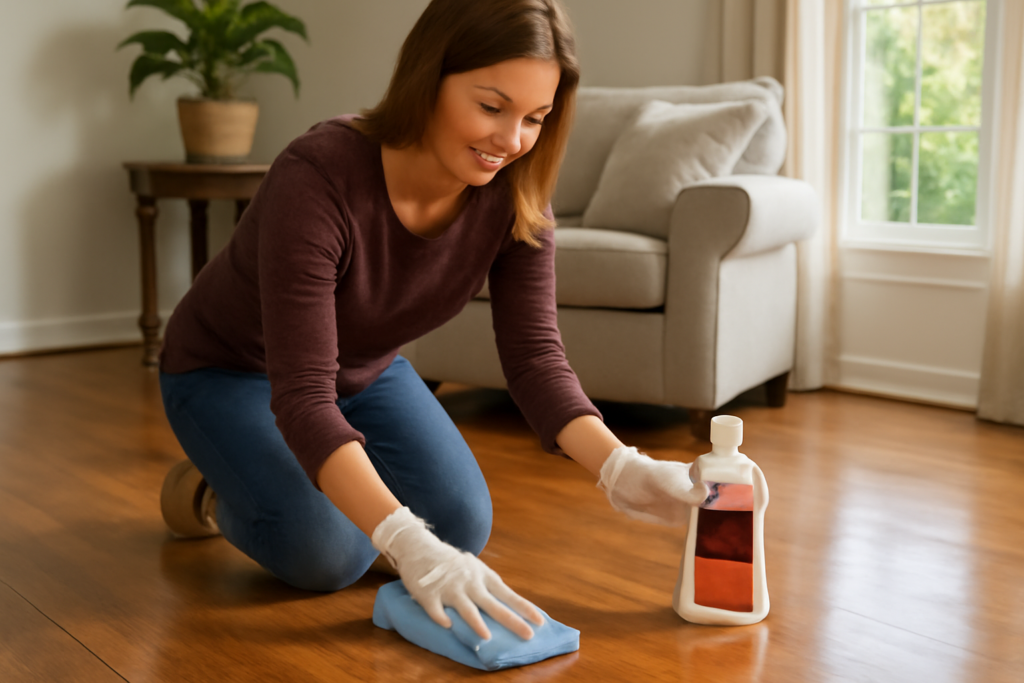
Start by clearing the room and vacuuming or dust-mopping thoroughly. Then clean the floor with a dedicated hardwood cleaner, such as Weiman’s own hard-surface product, and let it dry completely. Shake the bottle, then pour or squirt a thin S-shaped bead across a small section, about a three-by-three-foot area at a time. Spread it into a thin, even coat using a clean microfiber flat mop or applicator pad, always working with the grain and toward your exit so you do not paint yourself into a corner. Thin is the golden rule: two thin coats look far better and dry harder than one thick, puddled coat.
Let the first coat dry for about 30 to 45 minutes, or per the label, then apply a second thin coat if you want deeper gloss. Keep foot traffic off for at least an hour, and wait a full 24 hours before replacing rugs or heavy furniture so the film cures fully. Slide felt pads under furniture legs before moving pieces back to protect the fresh finish.
Results You Can Realistically Expect
On a suitable sealed floor, the improvement is immediate and satisfying: a noticeably deeper shine, a more uniform surface, and hairline scratches that visually disappear. What the product cannot do is repair real damage. Deep gouges, dents, gray water stains, worn-through spots where the finish is gone, and pet-urine damage are all beyond the reach of any surface polish. For those problems you need spot repair, screening and recoating, or a full sand-and-refinish job.
Set expectations accordingly. Think of this as cosmetic maintenance that makes a decent floor look great and stretches the years between refinishes, not as a magic fix for a floor that is genuinely at the end of its life.
Common Mistakes and How to Avoid Them
The complaints you see in reviews almost always trace back to a few avoidable errors. Applying too much product leaves a tacky, slow-drying film that attracts dirt. Skipping the cleaning step seals grime under the gloss. Using it on a waxed or oiled floor produces cloudiness. And walking on it too soon leaves footprints baked into the finish.
Avoid all of these by cleaning first, applying thin coats, and staying patient during dry time. When buildup eventually dulls after many reapplications, strip the floor back with the appropriate cleaner-stripper and start fresh rather than piling more polish on top. Used this way, Weiman Wood Floor Polish and Restorer is an inexpensive, effective tool for keeping sealed wood and laminate floors looking bright between the big refinishing jobs.
How It Compares to Other Options
It helps to know where this product sits among the alternatives so you can pick the right tool for your floor’s condition. A dedicated hardwood cleaner like Bona or Weiman’s own cleaner simply removes dirt and leaves no shine; it is what you use for routine mopping and as prep before polishing. A restorer-polish like this one goes a step further by adding gloss and a protective film, making it the right choice when clean floors still look dull and lightly scratched. A screen-and-recoat, done by a pro, abrades the existing finish and lays down a fresh coat of polyurethane; it is a bigger, more durable fix for floors that are genuinely worn but not damaged. And a full sand-and-refinish is the nuclear option for floors with deep damage, gray staining, or worn-through spots. The restorer is the cheapest and easiest rung on that ladder, ideal for cosmetic refreshes, but it is not a replacement for the heavier interventions when the finish itself has failed. Matching the product to the actual condition of your floor saves both money and disappointment.
Prefer to explore on your own?
See how new flooring looks in your actual room in seconds — free, no signup.
Try the free Floor Studio →