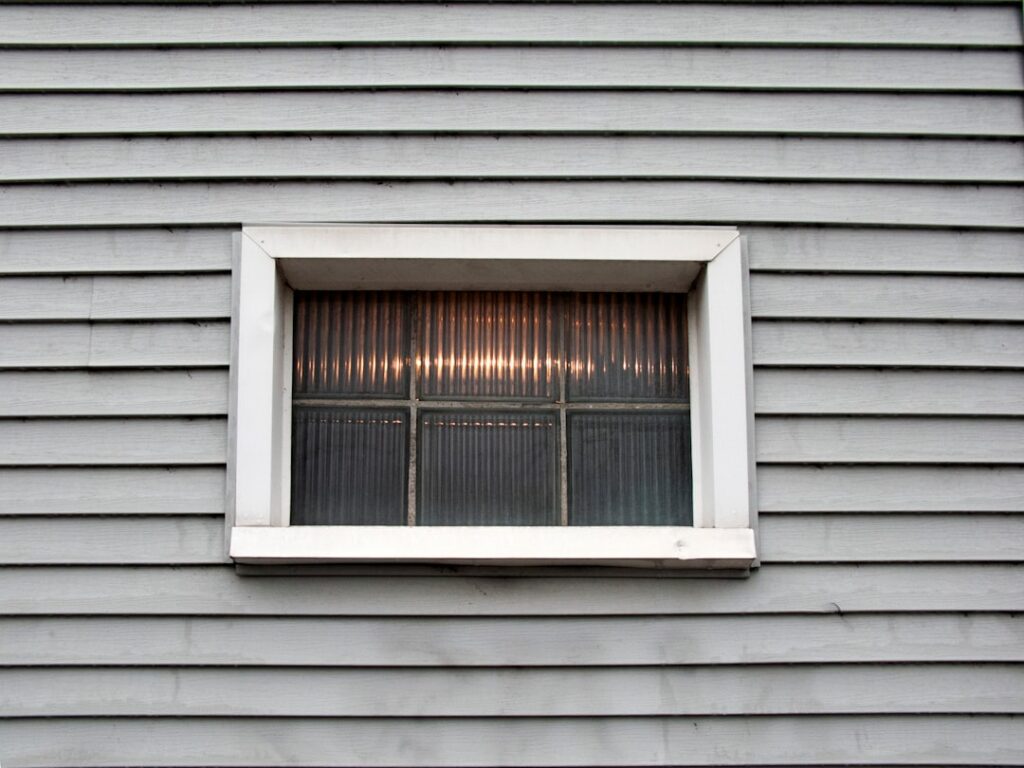
A vinyl siding restorer is a product designed to bring faded, chalky, oxidized vinyl siding back to a richer, more uniform appearance without the cost and commitment of repainting or replacing it. Over years of sun exposure, vinyl loses its sheen and develops a dull, washed-out look known as oxidation. The right restorer can refresh that surface and make an older home look cared for again.
This guide explains what causes siding to fade, how restorer products work, how to clean and prepare your siding, how to apply a restorer for even results, and how to keep your siding looking good longer. With a weekend of work, many homeowners can dramatically improve their home’s curb appeal.
Why Vinyl Siding Fades
Vinyl siding is durable and low maintenance, but it is not immune to the elements. The main culprit behind fading is ultraviolet light, which gradually breaks down the surface and causes the color pigments to degrade.
As the surface weathers, it can develop oxidation, a fine chalky film you can sometimes wipe off with your finger. Sun-facing walls usually fade fastest, which is why one side of a house often looks noticeably duller than the others. Dirt, mildew, and pollution add to the tired look. A restorer addresses the oxidized surface itself, which is something simple washing alone cannot fully fix.
How Restorer Products Work
Vinyl siding restorers generally work by penetrating and revitalizing the weathered surface, restoring depth of color and adding a protective layer that resists future oxidation. They are different from paint, which sits on top as a separate film and can peel.
- Surface revival: they help darken and unify faded, chalky areas.
- Protection: many add UV resistance to slow future fading.
- Sheen: some restore a low, natural luster to dull siding.
Products vary, so always read the label to understand what a given restorer is designed to do, how long it lasts, and which colors or conditions it suits. Results depend heavily on the condition of your siding and how thoroughly you prepare it.
Cleaning and Preparation
Preparation is the most important part of any restoration, and skipping it is the fastest way to a blotchy result. The siding must be clean, dry, and free of mildew before you apply anything.
- Rinse the siding to remove loose dirt and debris.
- Wash with a cleaner suited to vinyl siding, scrubbing away dirt, chalk, and grime.
- Treat any mildew or algae with an appropriate cleaning solution and rinse thoroughly.
- Let the siding dry completely before applying a restorer.
If you use a pressure washer, use a low setting and keep the spray angled to avoid forcing water behind the panels. Protect plants, windows, and fixtures, and follow the cleaner’s safety directions, including ventilation and protective gear.
Applying a Restorer
With clean, dry siding, application is usually straightforward, but technique matters for even coverage. Work in manageable sections and keep a consistent method across the whole wall.
Apply the product according to the manufacturer’s instructions, which may call for a cloth, applicator pad, sprayer, or brush. Work in sections and maintain a wet edge so you do not leave lap marks where one area dries before you blend the next. Wipe or spread evenly, avoid pooling, and watch for drips on trim and windows. Two thinner applications often look better than one heavy coat. Test on an inconspicuous area first to confirm the color result and finish before doing the whole house.
When to Restore vs Replace
A restorer is ideal for siding that is structurally sound but cosmetically faded. It is not a fix for siding that is cracked, brittle, warped, or failing. Knowing the difference saves you money and disappointment.
- Good for restoring: faded, chalky, dull, but intact siding.
- Consider repainting: when you want a different color and the siding is sound.
- Consider replacing: when panels are cracked, brittle, loose, or letting in moisture.
If your siding is decades old and crumbling, restoration only postpones the inevitable. Inspect the panels honestly before investing time in a surface treatment.
Safety Considerations
Restoration involves chemicals, ladders, and sometimes power equipment, so take precautions seriously. Read every product label and follow the manufacturer’s directions for application and protective equipment.
Wear gloves and eye protection, work in ventilated conditions, and avoid skin contact with cleaning and restoration chemicals. Use ladders safely on stable ground, never overreach, and consider having a helper. For tall or multi-story homes, hiring a professional is often the safer and more efficient choice. Keep children and pets away from the work area and from drying surfaces.
Restorer vs Painting Vinyl Siding
Homeowners weighing a restorer often ask whether they should just paint instead. Both have a place, and the right answer depends on your goals.
- Restorer: revives faded color in roughly the existing tone, generally simpler to apply, and avoids the peeling risk that paint can have on vinyl.
- Painting: lets you change the color entirely, but requires careful surface prep, the correct vinyl-safe paint, and color choices that will not cause heat-related warping.
If you are happy with your current color and simply want it to look fresh again, a restorer is usually the faster, lower-risk route. If you want a dramatically different look, painting may be worth the extra effort, but research vinyl-specific products and consider professional help, since the wrong paint or a too-dark color can damage the siding.
Setting Realistic Expectations
A restorer can deliver a striking improvement, but it is important to understand what it can and cannot do. On siding that is faded and chalky yet structurally sound, results are often impressive, restoring depth of color and a more uniform appearance across sun-worn walls.
That said, a restorer cannot repair cracks, fix warping, or make decades-old brittle siding new again, and results vary with the product, the color, and how thoroughly you prepared the surface. Test on a hidden area first so you know exactly what to expect before committing to the whole house. With realistic expectations and careful prep, most homeowners are pleased with how much fresher their home looks.
Keeping Siding Looking Good
Once you have restored your siding, a little routine care extends the results. Rinse the siding periodically to remove dirt and chalk buildup, address mildew promptly, and keep sprinklers and irrigation from constantly wetting the same spots.
Trim back plants that trap moisture against the walls, and inspect the siding each season for new damage. With realistic expectations and careful preparation, a vinyl siding restorer can deliver a striking improvement in your home’s appearance at a fraction of the cost of replacement, buying you years of fresher curb appeal from siding you already own.