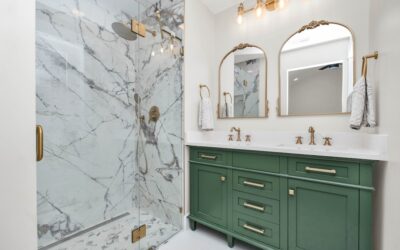
If your bathroom layout puts the toilet 18 inches from the tub, swinging a hinged glass door is not an option. That’s exactly the problem the sliding glass setup was designed to solve. Understanding what is a bypass shower door, how the track system works, and which brands hold up over a decade of daily use makes the difference between a smooth-gliding spa moment and a corroded mess in three years. A bypass door has two panels that slide past each other on parallel tracks, eliminating the swing arc that hinged doors require.
Part of our Bathroom Remodeling & Flooring guide — explore the full guide →
- The Mechanics of Bypass Sliding Doors
- Why Choose Bypass Over Hinged or Pivot
- Framed vs Semi-Frameless vs Frameless Bypass
- Track System Quality Separates the Survivors
- Brand Spotlight: Kohler vs Delta vs Sterling
- Installation Realities and Permits
- Maintenance That Adds 5 Years of Life
- When to Replace Instead of Repair
The Mechanics of Bypass Sliding Doors
A bypass shower door uses two glass panels mounted on rollers that ride along upper and lower tracks. The panels overlap by 2 to 3 inches in the middle when closed. Sliding one panel left exposes half the opening; sliding the other right exposes the other half. The tracks themselves are extruded aluminum, typically 1 to 1.5 inches deep, with felt or vinyl wipers that block water from escaping.
Most bypass setups span 48 to 72 inches, which fits standard alcove tubs. The maximum recommended span before the tracks start sagging is 84 inches without a center post. Brushed nickel, oil-rubbed bronze, and matte black are the three finishes that dominate 2026 bathroom remodels.
Why Choose Bypass Over Hinged or Pivot
Bypass doors win in three scenarios. First, when bathroom layout puts a fixture, wall, or vanity within 30 inches of the tub edge and a hinged door cannot swing fully open. Second, when the homeowner wants the lowest possible cost since bypass setups run $350 to $1,200 installed versus $800 to $2,500 for frameless hinged.
Third, for high-traffic bathrooms where the door gets opened 8 to 12 times a day. Bypass tracks tolerate that frequency better than hinged hardware, which loosens over time and needs adjustment every 18 months. The trade-off is appearance, since bypass doors always show the frame and overlap line that frameless hinged designs hide.
Framed vs Semi-Frameless vs Frameless Bypass
Framed bypass doors at $250 to $500 use aluminum framing around all four edges of each glass panel. They’re the most economical and most durable, with no sealant joints that can leak. Glass is typically 3/16 inch thick. The Delta Crestfield Framed Bypass at $399 from Home Depot is the workhorse of this category.
Semi-frameless bypass at $500 to $900 frames only the top and bottom edges, leaving the vertical edges of the glass exposed. The Kohler Levity Bypass at $649 uses 1/4-inch thick glass and slimmer 1/2-inch profiles. Frameless bypass at $900 to $1,800 uses 3/8-inch tempered glass with hardware only at the rollers and stops. The visual upgrade is significant but installation tolerances are unforgiving.
Track System Quality Separates the Survivors
The track is where bypass doors live or die. Cheap tracks use plastic roller wheels that wear out in 3 to 5 years and start binding. Mid-grade tracks use nylon rollers with stainless steel ball bearings that last 8 to 10 years. Premium tracks like those on Kohler Sterling Finesse use a self-aligning ball bearing system with a lifetime warranty.
Tracks should drain. Water that splashes onto the top track needs a path back to the tub, usually through small weep holes drilled at the seam. Check that the model you pick has weep holes in both the top and bottom tracks, or you’ll see mineral buildup within a year that locks the rollers in place.
Brand Spotlight: Kohler vs Delta vs Sterling
Kohler Sterling Finesse bypass doors at $549 to $1,100 from Lowe’s lead the mid-range. They include a lifetime warranty on the rollers, ClearShield no-spot glass coating, and an anti-jump track that prevents the panel from lifting off in an earthquake. The Sterling Finesse 5475 model is the bestseller, fitting 54 to 59-inch openings.
Delta runs $300 to $700 for the Crestfield and Lyndall lines at Home Depot. The hardware is good for the price, and the InvisiShield glass coating works comparably to Kohler’s ClearShield. Delta’s warranty is 5 years on hardware versus Kohler’s lifetime, which matters for a fixture you expect to use for 15 years.
Aston, Vigo, and Dreamline are the frameless contenders at $700 to $1,800. Vigo Elan Mr. Steam at $1,099 is the splurge pick with anti-cling glass and soft-close rollers. All three brands sell through Wayfair and Amazon and require precise wall measurements.
Installation Realities and Permits
A bypass shower door is a homeowner-doable install if you have a level, an impact driver, and a tile drill bit. Plan for 3 to 5 hours from box to first shower. Materials run $30 in addition to the door for shims, silicone sealant (GE Silicone II Kitchen and Bath at $7), and replacement screws if the included ones strip.
Most jurisdictions classify shower door replacement as repair work that does not require a permit. New construction or a full bathroom remodel triggers IRC permits and inspection. Professional installation runs $200 to $450 on top of the door cost, depending on local labor rates and whether the existing track has to be removed.
Maintenance That Adds 5 Years of Life
Wipe the glass with a squeegee after every shower. The single biggest cause of bypass door failure is mineral buildup from hard water on the glass and tracks. A daily 10-second squeegee pass cuts cleaning frequency from weekly to monthly. Method Daily Shower Spray at $4 per bottle works as a preventive between deep cleans.
Once a month, run a damp cloth along both tracks to remove hair and soap scum. Every six months, spray the rollers with a silicone-based lubricant like 3-IN-ONE Multi-Purpose at $5. Skip WD-40 since it attracts dust and gums up the rollers over time.
When to Replace Instead of Repair
If the rollers are sticking, the track is bent, or the glass has stress cracks, replacement beats repair. Replacement rollers run $40 to $80 per set from manufacturers like Sliding Door Hardware Inc. Bent tracks are usually beyond repair since aluminum holds the deformation. A complete bypass setup replacement runs $400 to $1,200 plus removal of the old unit at $75 to $150. Expect 12 to 15 years of life from a quality bypass installation maintained properly.