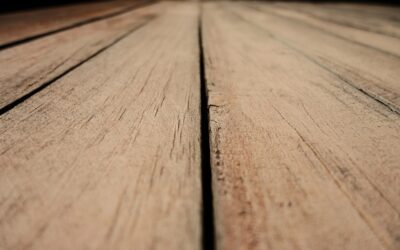
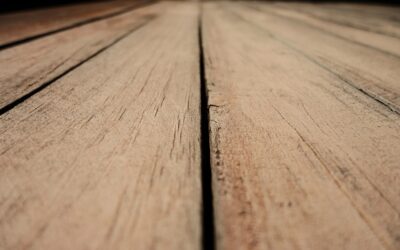
Walk into any neighborhood built after 2010 and you will see fewer splintered pressure-treated decks and more low-sheen, uniformly colored boards that never need staining. So what is a composite deck? At its simplest, it is a decking system built from boards manufactured by combining recycled wood fibers, plastic, and bonding agents into a single engineered product. The result is a deck surface that resists rot, splinters, and the annual maintenance grind that comes with real lumber.
Part of our Decks & Outdoor guide — explore the full guide →
How Composite Decking is Manufactured
Composite boards are produced by extrusion. Wood flour (sawdust from sawmills and furniture plants) gets blended with polyethylene or polypropylene plastic, typically sourced from recycled grocery bags, milk jugs, or industrial film. Heat and pressure fuse the slurry, and the molten mix is pushed through a die that shapes each board to dimensions like 1 in by 5.5 in by 16 ft.
Most modern composite decking is capped, meaning a hard polymer shell wraps three or four sides of the core. The cap is where color, grain pattern, and stain resistance live. Uncapped first-generation composites from the early 2000s frequently mildewed and faded, which is why the industry moved almost entirely to capped products by 2013.
Composite vs Pressure-Treated Wood: The Real Differences
Pressure-treated southern yellow pine costs roughly $2 to $5 per linear foot for a 5/4 by 6 deck board. Composite boards from brands like Trex Enhance, TimberTech EDGE, or Fiberon Sanctuary run $3 to $8 per linear foot for entry-level capped products and $9 to $15 for premium lines like Trex Transcend or TimberTech AZEK.
- Maintenance: Wood needs a stain or sealer every 1-3 years. Composite needs a yearly soap-and-water wash.
- Lifespan: Treated pine averages 15-20 years. Composite carries 25-30 year stain and fade warranties.
- Splinters: Wood develops them; composite does not.
- Heat: Dark composite boards can run 10-15°F hotter than wood in full sun, which matters for barefoot pool decks.
What Composite Decking Actually Costs
For a standard 16 ft by 20 ft deck (320 sq ft), expect materials in the $3,200 to $6,400 range for mid-tier capped composite, plus $800 to $1,500 for fasteners, joist tape, and rim board cladding. Pressure-treated framing underneath the surface boards typically adds another $700 to $1,200, since composites are not structural and must sit on a wood or steel substructure.
Installed pricing, including labor at $35 to $75 per hour for two carpenters, lands between $30 and $60 per square foot in most US markets as of 2024. Coastal regions and high-cost metros like Boston, Seattle, and the San Francisco Bay Area can push installed pricing above $70 per square foot, especially when permits, railings, and stairs are factored in.
Top Composite Decking Brands Worth Knowing
Three names dominate the US market, and a fourth is gaining ground fast.
Trex
The original composite manufacturer, founded in 1996, holds roughly half of US market share. The Enhance Basics line starts around $2.50 per linear foot at Home Depot. Transcend Lineage, their flagship, hides high-density fillers that reduce heat absorption by up to 35% compared to standard dark Trex boards.
TimberTech
Owned by AZEK, TimberTech makes both capped composite (the EDGE and PRO lines) and capped polymer boards (AZEK Vintage and Harvest) that contain no wood at all. The capped polymer is fully waterproof and works for ground-level applications where moisture lingers.
Fiberon
Owned by Fortune Brands, Fiberon offers strong value through the Good Life and Sanctuary lines. Sanctuary boards weigh about 20% less than Trex Transcend and install faster across long joist spans.
Installation Quirks You Should Plan For
Composite expands and contracts more than wood across temperature swings. A 16 ft board can grow or shrink 1/4 in between a January morning at 20°F and a July afternoon at 95°F. That means installers must leave a 1/8 in gap between butt joints and follow each manufacturer’s nailing and spacing chart precisely. Hidden fastener systems like Cortex plugs or CAMO clips deliver a cleaner finish than top-screwing through the cap, which voids most warranties anyway.
Joist spacing also matters. Most composite brands require joists 16 in on center for residential applications, and 12 in on center when boards are installed diagonally or used on stair treads. Ignoring those specs causes the deck surface to feel spongy underfoot within a year or two.
Common Drawbacks of Composite Decks
No material is perfect. Composite costs more upfront, gets hotter than wood in direct sun, and the higher mass requires beefier framing in some retrofit situations. Dropped charcoal from a grill will scorch a composite cap, and once gouged, the damage cannot be sanded out the way it can with cedar or redwood. Mold growth on shaded composite boards is mostly cosmetic but still requires scrubbing with an oxygenated cleaner like Corte-Clean or a 1:4 bleach solution.
If you live in a wildfire zone, check your local building department. California has approved several composite products under Chapter 7A wildland-urban interface rules, but not all brands carry the listing, and the wrong choice can fail a final inspection.
Is a Composite Deck Worth the Money?
For homeowners planning to stay 10 or more years, composite usually wins the lifecycle math. Skip $300 in annual stain, sealer, and labor for two decades and you recover most of the cost premium. For a short-term flip or rental property, pressure-treated lumber often makes more sense. Either way, demanding a written quote that itemizes board brand, hidden fastener system, joist spacing, and warranty paperwork protects you from contractors who substitute lower-grade products mid-job.