If you have ever tried to strip a lawn with a shovel, you know how brutal it is: hours of stooped labor and a back that hates you the next morning. A sod cutter turns that all-day job into an afternoon. So what is a sod cutter? It is a machine or hand tool that slices cleanly under the turf at root depth, cutting the grass and its root layer free from the soil in neat, rollable strips. Whether you are removing a lawn to install a garden, a patio, or new sod, this is the tool that makes the demolition fast and clean.
How a Sod Cutter Works
A sod cutter has a horizontal blade that runs parallel to the ground, set to slice about 1.5 to 2.5 inches below the surface. That depth is deliberate. It cuts just under the root zone of most grasses, freeing the turf mat while leaving the bulk of your topsoil in place. On a powered machine, the blade oscillates back and forth several hundred times a minute, shearing through roots as the drive wheels pull the unit forward.
The result is a strip of sod you can roll up like a carpet. Grass, roots, and a thin skin of soil come away together, which is exactly what you want if you plan to compost it, transplant it, or haul it off. Compare that to a shovel, which tears roots randomly and leaves you fighting clumps of dirt, and the appeal is obvious.
Types of Sod Cutters
There are three broad categories, and the right one depends on how much lawn you are removing.
Manual Kick-Type Sod Cutters
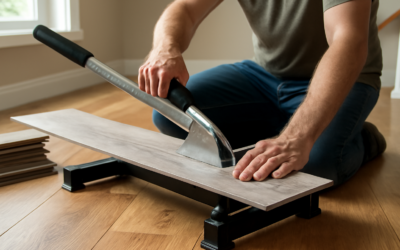
A manual sod cutter looks like a rolling blade on a T-handle. You step on a foot bar to drive the blade into the soil, then push forward to shear the roots. They cost $80 to $150 to buy and are ideal for small jobs under 200 sq ft, like clearing a flower bed edge or a strip along a walkway. They are quiet and need no fuel, but they demand real leg strength and stamina.
Gas-Powered Sod Cutters
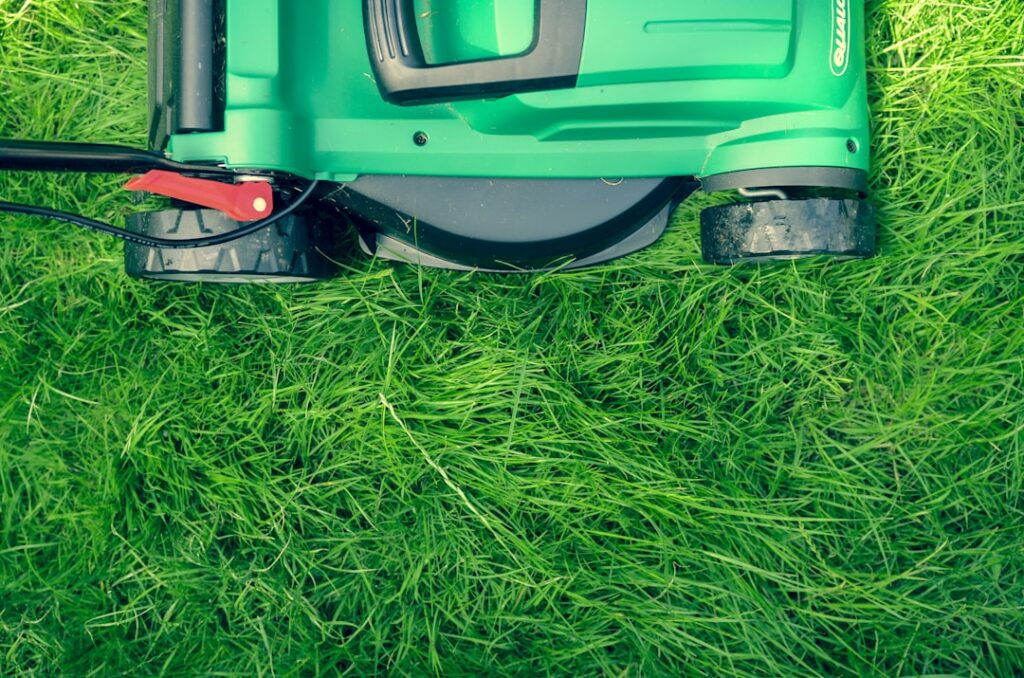
These self-propelled machines weigh 150 to 300 pounds and cut strips 12 to 18 inches wide. A gas unit will strip 2,000 sq ft in under an hour once you get the hang of it. This is the workhorse for removing a full lawn. Rental runs $75 to $110 per day at most equipment yards.
Electric and Battery Sod Cutters
Newer battery-powered models bridge the gap for mid-size yards. They are lighter than gas, start with a button, and produce no fumes, which matters if you are working near an open garage. Runtime on a charge is the limiting factor, usually enough for 1,000 to 1,500 sq ft before you swap batteries.
When You Actually Need a Sod Cutter
Not every project calls for one, but plenty do. Reach for a sod cutter when you are:
- Removing an old lawn before laying fresh sod or reseeding, so you start with clean soil instead of thatch and old roots.
- Installing a patio, paver walkway, or deck footing, where you need to strip turf down to bare grade before adding base material.
- Carving out garden beds with crisp, professional edges rather than the ragged lines a spade leaves.
- Building an irrigation or drainage trench and want to save the sod to relay over the disturbed ground afterward.
- Transplanting healthy turf from one part of the property to another.
For a job smaller than a car parking space, a manual cutter or even a sharp flat spade is fine. Once you are past a few hundred square feet, the powered machine pays for its rental fee in saved hours and spared muscles.
How to Use a Sod Cutter Correctly
Preparation makes the whole job easier. A day or two before cutting, water the lawn deeply, about an inch of water, so the soil is moist but not soupy. Damp soil lets the blade glide; bone-dry ground fights you and dulls the edge, while saturated mud clogs the machine.
- Mark buried lines. Call 811 before you dig if you have irrigation, cable, or shallow utilities. A sod cutter blade will happily shear through a sprinkler line.
- Set the cut depth. Start around 1.5 inches. Go deeper only if the strips tear or the roots are unusually thick.
- Cut in straight rows. Work in parallel passes the width of the blade, like mowing. Overlap slightly so no ribbon of grass is left standing.
- Slice into manageable strips. Every few feet, back off and cut across so you can roll up pieces you can actually lift. A wet 18-inch strip three feet long can weigh 40 pounds.
- Roll, stack, and haul. Roll strips grass-side in and stack them on a tarp or wheelbarrow.
What to Do With the Removed Sod
Do not just send it to the landfill by reflex. Healthy strips can be relaid over bare spots elsewhere in the yard if you keep them moist and lay them within a day. Sod you do not need can be flipped upside down in a pile to compost; roots and soil break down into rich material over a few months. Many green-waste programs and landscape supply yards will also take sod, and some municipalities offer curbside yard-waste pickup. Renting a small dumpster is worth it only for very large removals.
Sod Cutter vs. Other Removal Methods
People often ask whether they even need a sod cutter versus killing the grass another way. Each method has a place. A sod cutter gives instant, clean results and preserves topsoil, but it involves machinery and physical work. Smothering the lawn with cardboard and mulch, sometimes called sheet mulching, is nearly effortless but takes two to three months to fully kill the turf. Chemical removal with a glyphosate product works in about two weeks but leaves the dead thatch in place, so you still have to rake or till it out. If you need the ground ready now and want your soil intact, the sod cutter wins.
Buying vs. Renting
For a one-time project, renting is the obvious call. A day rental of a gas machine at $90 is far cheaper than the $1,500 to $2,500 a new commercial unit costs. If you are a landscaper or you manage several properties and strip turf regularly, ownership starts to make sense, especially for a durable manual cutter that needs no maintenance beyond an occasional blade sharpening.
So to answer plainly what a sod cutter is: it is the single most efficient tool for removing turf at the roots, sold in manual, gas, and battery forms to match the size of your job. Match the type to your square footage, water the ground first, cut at root depth, and you will strip a lawn in a fraction of the time and effort any other method demands.
Safety Tips When Operating a Sod Cutter
A powered sod cutter is a serious machine with a moving blade, and it deserves respect. Wear closed-toe boots, safety glasses, and hearing protection; gas units are loud and throw grit. Keep both hands on the controls and never reach under the machine while the engine is running. On a gas model, the blade engages under real force, so brace yourself, the unit can lurch when the blade first bites into firm soil. Keep children and pets well clear of the work area.
Terrain matters too. On a slope, cut across the grade rather than straight up and down, and go slow; a heavy machine can get away from you on a downhill run. Watch for rocks, roots, and buried debris that can stall or damage the blade. Take breaks, muscling a 250-pound machine for a couple of hours is genuinely tiring, and fatigue is when mistakes happen. If you rent, ask the yard to demonstrate the controls and the depth adjustment before you load it up.
Cost Breakdown: Renting vs. Hiring Out
It helps to see the numbers side by side before you decide how to tackle a job. Renting a gas sod cutter runs about $75 to $110 for a full day, plus fuel and a deposit. Add a truck or trailer if the yard does not deliver, some charge $25 to $50 for drop-off and pickup. For a manual kick-type cutter, expect $20 to $35 a day to rent or $80 to $150 to buy outright.
Hiring a landscaping crew to strip the lawn for you typically costs $1 to $2 per square foot, so removing a 1,500 sq ft lawn might run $1,500 to $3,000 including haul-away. Doing it yourself with a $90 rental and a weekend of labor saves the bulk of that, the main costs become your time and the disposal of the old sod. For most homeowners with a healthy back and a free Saturday, the rental route is the clear value, especially since a machine that strips 2,000 sq ft in under an hour makes short work of the actual cutting.