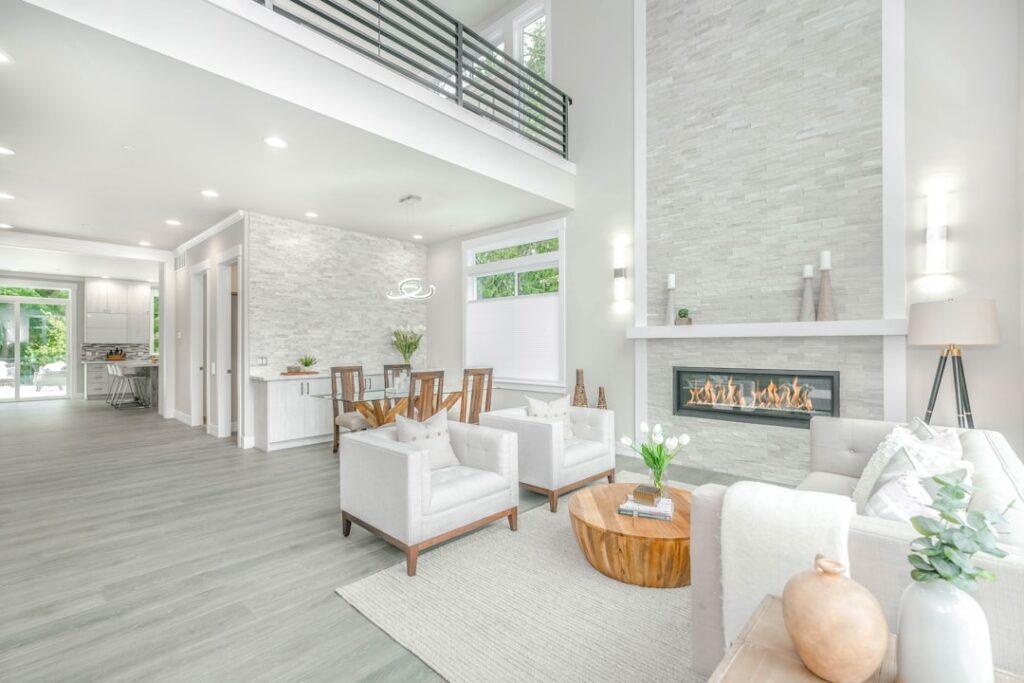
Standing in the paint aisle staring at flat, eggshell, satin, and semi-gloss, it is easy to grab the wrong sheen for the room. So what is eggshell paint used for? In short, it is the go-to finish for low- to moderate-traffic interior walls like living rooms, dining rooms, and bedrooms, where you want a soft, subtle sheen that still wipes clean better than flat paint. Understanding where eggshell shines, and where it falls short, helps you put it in the right rooms.
- What "Eggshell" Sheen Means
- Where Eggshell Paint Works Best
- The Washability Advantage Over Flat
- Eggshell vs. Flat, Satin, and Semi-Gloss
- Where Not to Use Eggshell
- Tips for Painting With Eggshell
- The Bottom Line
- How Eggshell Affects a Room's Look
- Choosing Eggshell With Confidence
- Touch-Ups and Long-Term Care
What “Eggshell” Sheen Means
Paint sheen describes how much light the dried finish reflects, on a scale from flat (no shine) up to high-gloss (mirror-like). Eggshell sits near the low end, just above flat. As the name suggests, it has the soft, low-luster glow of an actual eggshell, a hint of sheen without looking shiny.
That modest sheen is the whole point. It gives walls a warmer, slightly richer look than dead-flat paint while staying subtle enough to hide on large wall surfaces.
Where Eggshell Paint Works Best
Eggshell is most at home on walls in rooms that see normal household use but not heavy abuse or moisture. Its sweet spot includes:
- Living rooms and family rooms: a soft finish that looks inviting on big wall expanses.
- Dining rooms: a touch of sheen adds a refined feel for entertaining.
- Bedrooms: calm, low-luster walls that are easy on the eyes.
- Hallways and home offices: light traffic where occasional wiping is enough.
In these spaces, eggshell balances appearance and practicality better than either flat or higher-gloss finishes.
The Washability Advantage Over Flat
One of eggshell’s main selling points is that it cleans up better than flat paint. Flat finishes are great at hiding wall imperfections but tend to mark easily and can be hard to wipe without leaving a shiny spot. Eggshell’s slight sheen lets you gently wipe off fingerprints, scuffs, and light smudges with a damp cloth.
That said, be realistic: eggshell offers light washability, not the heavy-duty scrubbability of satin or semi-gloss. It handles occasional cleaning, but it is not built for constant scrubbing.
Eggshell vs. Flat, Satin, and Semi-Gloss
Choosing a sheen is about matching durability and look to the room:
- Flat/matte: hides imperfections best, least washable. Good for ceilings and low-traffic, low-touch walls.
- Eggshell: soft low sheen, light washability. Ideal for general living-area walls.
- Satin: more sheen and durability, more scrubbable. Better for high-traffic areas, kids’ rooms, and some kitchens and baths.
- Semi-gloss: shiny and very durable. Best for trim, doors, cabinets, and high-moisture rooms.
Eggshell is the middle-ground wall finish, more practical than flat but more forgiving on imperfections than satin or semi-gloss.
Where Not to Use Eggshell
Eggshell is not the best pick for high-traffic, high-moisture, or high-touch surfaces. Bathrooms and kitchens, where humidity and frequent cleaning are constant, usually do better with satin or semi-gloss that can take repeated scrubbing and resist moisture. Mudrooms, kids’ play areas, and busy hallways with lots of contact also lean toward more durable sheens.
For trim, doors, and cabinets, semi-gloss is the traditional choice because it withstands cleaning and highlights crisp lines. Using eggshell there would leave those surfaces harder to keep clean.
Tips for Painting With Eggshell
Because eggshell has some sheen, it shows surface flaws a bit more than flat, so take time to patch, sand, and prime imperfections before painting. Touch-ups can sometimes flash (show a slightly different sheen) if conditions differ, so when touching up, feather the edges and, for best results, recoat the full wall section.
Maintain a wet edge as you roll to avoid lap marks, and use quality rollers for an even finish. Let coats dry fully between applications per the can’s directions.
The Bottom Line
Eggshell paint earns its popularity as the everyday wall finish for living rooms, dining rooms, bedrooms, and other low- to moderate-traffic spaces, thanks to its soft sheen and easier cleanup than flat. Reserve flat for ceilings and low-touch walls, and step up to satin or semi-gloss for kitchens, baths, trim, and high-traffic zones.
So when you ask what is eggshell paint used for, the simple answer is: the comfortable, good-looking walls of the rooms you live in most, where you want a refined finish that still tolerates the occasional wipe-down.
How Eggshell Affects a Room’s Look
The subtle sheen of eggshell does more than help with cleaning; it changes how a wall reads. The slight reflectivity gives color a bit more depth and richness than flat paint, which can look chalky or one-dimensional on a large wall. Many homeowners find that the same color appears warmer and more alive in eggshell than in matte.
At the same time, eggshell is restrained enough that it does not create harsh glare or hot spots from lamps and windows the way satin and semi-gloss can. That balance, a little life without distracting shine, is exactly why it has become the default choice for main living spaces.
Choosing Eggshell With Confidence
If you are unsure which sheen to buy, eggshell is the safe, versatile default for interior walls in most rooms. It forgives moderate imperfections better than glossier finishes, cleans up better than flat, and suits nearly any color and decor style. For the highest-traffic and wettest rooms, step up in sheen; for ceilings and the lowest-touch walls, you can step down to flat.
When buying, grab a sample and test it on your actual wall under your own lighting before committing to gallons, since sheen looks different room to room. Once you understand what eggshell paint is used for and where it shines, choosing the right finish for each room becomes a quick, confident decision rather than a guess in the paint aisle.
Touch-Ups and Long-Term Care
One practical advantage of eggshell is that it is more forgiving to maintain than glossier sheens. Light marks and scuffs usually wipe off with a damp cloth and a little mild soap, and because the sheen is modest, small touch-ups tend to blend in better than they would on satin or semi-gloss. Keep a labeled jar of the leftover paint for quick fixes.
When you do touch up, use the same paint, apply it in thin layers, and feather the edges outward so the patch melts into the surrounding wall. For a worn, heavily marked wall, repainting the entire wall corner to corner gives the most uniform result. With occasional wiping and the rare touch-up, eggshell walls hold their look for years before they need a full repaint.