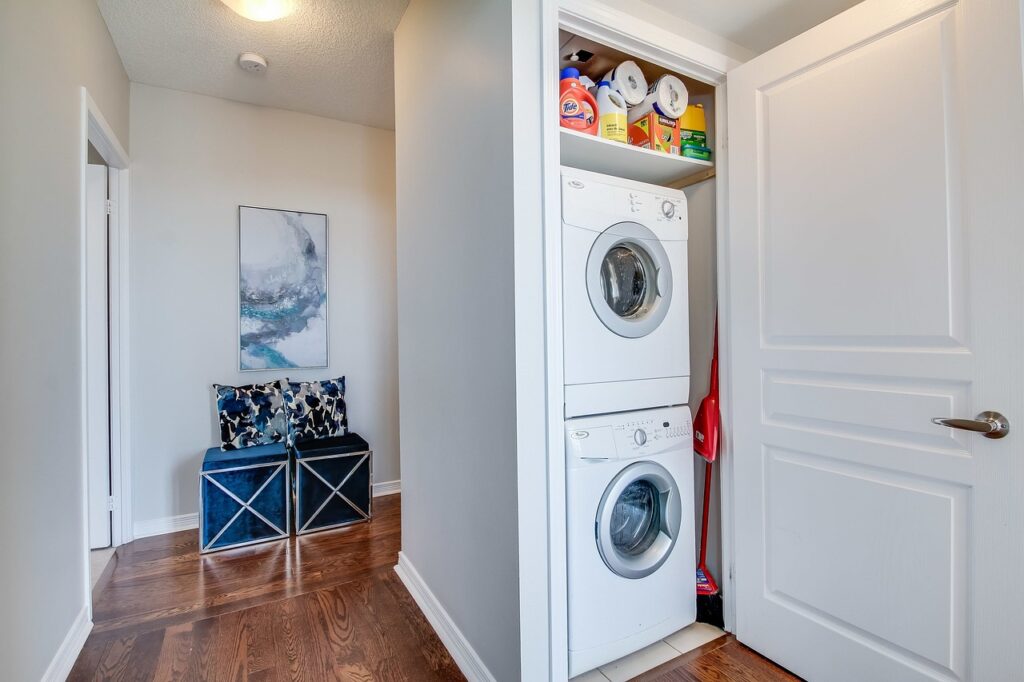
Laundry detergent is one of those household products most people grab on autopilot, sticking with whatever brand their parents used. But formulas, delivery systems, and ingredient standards have changed dramatically in recent years. If you have been wondering what is the best laundry detergent for your specific needs, the answer depends on your washer type, water hardness, skin sensitivity, and what kinds of stains your household generates.
Liquid vs. Pods vs. Powder
Each detergent format has distinct advantages that suit different households and washing habits.
Liquid Detergent
Liquid remains the most popular format, commanding about 60% of the US market. It dissolves readily in cold water, doubles as a pre-treat by rubbing directly onto stains, and works in all washer types. The main drawback is measuring. Most people use 2 to 3 times more than recommended, wasting money and leaving residue on clothes. A 100-ounce bottle costs $10 to $20 and should last 50 to 66 loads if dosed correctly.
Laundry Pods
Pods eliminate measuring and overdosing. Each pre-measured capsule contains detergent, stain remover, and brightener in a water-soluble film. They cost more per load ($0.25 to $0.50 vs. $0.15 to $0.30 for liquid) but deliver consistent results. Keep pods sealed and away from children, as their concentrated formula and candy-like appearance pose an ingestion risk.
Powder Detergent
Powder is the most cost-effective format at $0.10 to $0.20 per load and excels at removing mud, clay, and ground-in dirt. It has a longer shelf life than liquid and uses less packaging. However, powder can leave white residue on dark clothing if it does not fully dissolve, which is more common in cold-water cycles and HE machines with low water levels.
Top Detergent Recommendations
- Tide Original (liquid): Consistently ranks first in independent cleaning tests. Strong on grease, protein, and tannin stains. Around $0.20 per load.
- Persil ProClean (liquid): The closest competitor to Tide in cleaning power, often edging it out on enzymatic stain removal. Slightly more expensive at $0.22 per load.
- Kirkland Ultra Clean (Costco): Exceptional value at $0.11 per load with cleaning performance rivaling name brands. Only available at Costco.
- Tide Pods 3-in-1: Best pod option for overall cleaning. Convenient and effective but pricier at $0.35 per load.
- All Free Clear (liquid): Top pick for sensitive skin. Dermatologist recommended, free of dyes and perfumes, and still cleans well at $0.15 per load.
- Arm & Hammer Plus OxiClean: Strong budget performer at $0.12 per load. OxiClean booster helps with tough stains without a separate additive.
HE vs. Standard Detergent
High-efficiency (HE) washers use significantly less water than traditional top-loaders, so they require low-sudsing HE-compatible detergent. Using regular detergent in an HE machine produces excessive foam that interferes with the wash action, leaves residue, and can trigger error codes. Look for the HE symbol on the label. Most major brands now make all their formulas HE-compatible, but always verify before buying.
Standard top-loaders can use either HE or regular detergent without issues. If your household has both machine types, buying HE-compatible detergent simplifies things since it works in both.
Cold Water vs. Hot Water Washing
Modern detergents are engineered to work in cold water (60 to 80 degrees Fahrenheit), and washing in cold saves $60 to $100 per year in energy costs. Tide and Persil both have cold-water-specific formulas that activate enzymes at lower temperatures. Hot water (130 degrees Fahrenheit) is still recommended for sanitizing items like towels, bedding, and cloth diapers, or when dealing with illness in the household.
If you wash primarily in cold water, choose a liquid or pod detergent rather than powder. Cold water does not dissolve powder as effectively, which can lead to detergent clumps clinging to clothing.
Sensitive Skin and Hypoallergenic Options
Fragrances and dyes are the most common irritants in laundry detergent. For households with eczema, allergies, or infant clothing, fragrance-free and dye-free formulas are essential. All Free Clear, Seventh Generation Free & Clear, and Tide Free & Gentle are the three most widely available hypoallergenic options, all priced comparably to their standard counterparts.
Adding an extra rinse cycle further reduces detergent residue on clothing, which helps even when using hypoallergenic products. If skin irritation persists despite switching detergents, the culprit may be fabric softener or dryer sheets rather than the detergent itself.
Stain-Specific Tips
No single detergent handles every stain type equally well. For best results, pre-treat before washing.
- Grease and oil: Apply liquid dish soap (Dawn) directly to the stain, let sit 10 minutes, then wash with your regular detergent.
- Blood: Rinse in cold water immediately. Never use hot water, which sets protein stains permanently. Hydrogen peroxide works as a pre-treat on dried blood.
- Red wine: Blot with club soda, then apply salt to absorb remaining moisture. Wash with an enzyme-based detergent like Persil.
- Grass: Rub white vinegar or rubbing alcohol into the stain before washing. Powder detergent with OxiClean is especially effective on grass.
How to Get the Most From Your Detergent
Figuring out what is the best laundry detergent for your household is only half the equation. Proper usage matters just as much. Measure carefully using the cap lines rather than eyeballing. Overloading the washer reduces cleaning effectiveness regardless of detergent quality. Sort loads by color and soil level, washing heavily soiled items separately so they do not redeposit grime onto lightly worn clothing.
Store detergent in a cool, dry location away from direct sunlight. Liquid detergent loses effectiveness after about 12 months, and powder can clump in humid environments. Buy only what you will use within 6 months unless you have proper storage conditions.