Light green has quietly become one of the most-used wall colors in American homes, partly because it sits on the color wheel between blue and yellow and pulls warmth from either neighbor depending on lighting. Asking what matches light green is really asking which neutrals, which accent colors, and which metals will keep a sage or mint room feeling balanced rather than overwhelming. The pairings below come from real interior projects across the country and account for daylight, artificial light, and the specific undertones of popular paint codes like Benjamin Moore Saybrook Sage and Sherwin-Williams Sea Salt.
Understanding the Undertones in Light Green
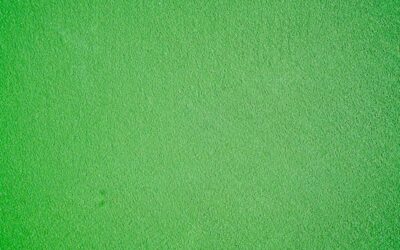
Not all light greens share the same DNA. Sage greens like Benjamin Moore Saybrook Sage HC-114 lean gray and feel cool. Mint greens like Sherwin-Williams Liveable Green SW 6176 lean yellow and feel warm. Sea-foam greens like Benjamin Moore Wythe Blue HC-143 actually have a blue base despite the green name and read cool in north-facing rooms.
Hold a sample swatch against a pure white card to identify the undertone. If the green appears yellowish, it pairs with warm whites and creamy neutrals. If it appears blue-gray, it works better with cool grays and crisp whites. Mismatching the undertone of your trim or accent color creates that subtle, irritating clash people sense but cannot explain.
Best Neutrals to Pair With Light Green
Warm whites like Benjamin Moore White Dove OC-17 and Sherwin-Williams Alabaster SW 7008 flatter almost every light green by softening contrast at trim, ceiling, and millwork. Cooler greens take Benjamin Moore Chantilly Lace OC-65 or Sherwin-Williams Pure White SW 7005 well. Avoid stark builder-grade white ceiling paint over warm sage; the contrast feels off.
For two-tone walls or built-ins, mushroom and greige neutrals work beautifully. Sherwin-Williams Accessible Beige SW 7036 and Benjamin Moore Edgecomb Gray HC-173 both pull light green into the foreground without competing. Charcoal at the floor level, whether on rugs, baseboards, or a sofa, grounds the palette and prevents it from floating.
Accent Colors That Pop
Terra cotta and rust hit complementary status against light green on the color wheel, making them a designer favorite. A single rust velvet armchair or a stack of terra cotta throw pillows transforms a calm sage room into something with energy. Other warm-leaning accents that work include mustard yellow (Farrow and Ball India Yellow), warm coral, and burnt orange.
For cool light greens, navy blue accents work best. Benjamin Moore Hale Navy HC-154 on a single feature wall or interior door against pale sage walls reads sophisticated and intentional. Brass and antique gold metals tie the warm-cool combination together. Avoid pairing cool sage with cool blue accents; the room can feel cold and washed out, especially under daylight LED bulbs.
Wood Tones That Complement Light Green
Medium and warm wood tones pair best. White oak with a natural or rift-cut finish, walnut, and warm cherry all flatter sage and mint greens. Avoid orange-tinted wood like the honey-stained oak common in 1990s builds; the orange clashes with green’s blue undertones. If you have existing orange oak floors, balance with a large rug in a contrasting cool palette to break up the contact.
For new builds or full remodels, consider luxury vinyl plank or engineered hardwood in mid-tone European white oak. Brands like COREtec ($4 to $7 per square foot), Karndean Knight Tile ($5 to $9 per square foot), and Mohawk RevWood Select ($3 to $5 per square foot) all offer convincing white oak looks that work with light green walls. Match the floor undertone to the wall undertone for visual cohesion.
Metal and Hardware Choices
Brass and warm gold metals look stunning with light green. Brushed brass cabinet pulls from Schoolhouse or Rejuvenation ($20 to $40 each) elevate a sage kitchen instantly. Unlacquered brass develops a patina that complements green’s natural feel. Avoid mixing too many metals in one room; pick a dominant finish for fixed elements like faucets and lighting, then add one accent metal in smaller accessories.
Matte black hardware works as a modern alternative, especially in mint or sea-foam palettes. Matte black faucets from Delta Trinsic ($250 to $400 retail) or Moen Genta LX ($150 to $250) hit a high-contrast modern note against pale green walls. Polished nickel and chrome work too but tend to disappear visually rather than punctuate the space.
Textiles, Patterns, and Layering
Natural fiber textures, linen, jute, and rough cotton, soften light green and prevent it from feeling sterile. A jute rug from Pottery Barn ($300 to $800) or West Elm ($200 to $600) under a sage living room sofa pulls the room into earthy territory. Add linen drapes in a warm white or oat color for layered depth.
Patterns that work with light green include botanical prints (think William Morris), small-scale block prints in warm colors, traditional floral chintz, and geometric prints in navy or terra cotta. Avoid bright multi-color patterns that fight the calmness of the green walls. One bold pattern per room is the rule; let the rest of the textiles stay solid or subtly textured.
Room-by-Room Application
In bedrooms, light sage on walls paired with warm white linen bedding and natural oak furniture creates a serene retreat. Add a single accent wall in deeper green like Sherwin-Williams Pewter Green SW 6208 behind the headboard for depth without sacrificing calm. Layer in linen drapes and a wool area rug from Loloi or Surya.
For kitchens, light green lower cabinets paired with warm white upper cabinets and brass hardware nail the current trend. Quartz countertops in Cambria Brittanicus or Caesarstone Cloudburst Concrete pair beautifully. In bathrooms, pale mint walls with white subway tile, marble-look porcelain floors (like Daltile Marble Attache, $4 to $7 per square foot), and warm brass fixtures hit a fresh, spa-like result that holds up over time.