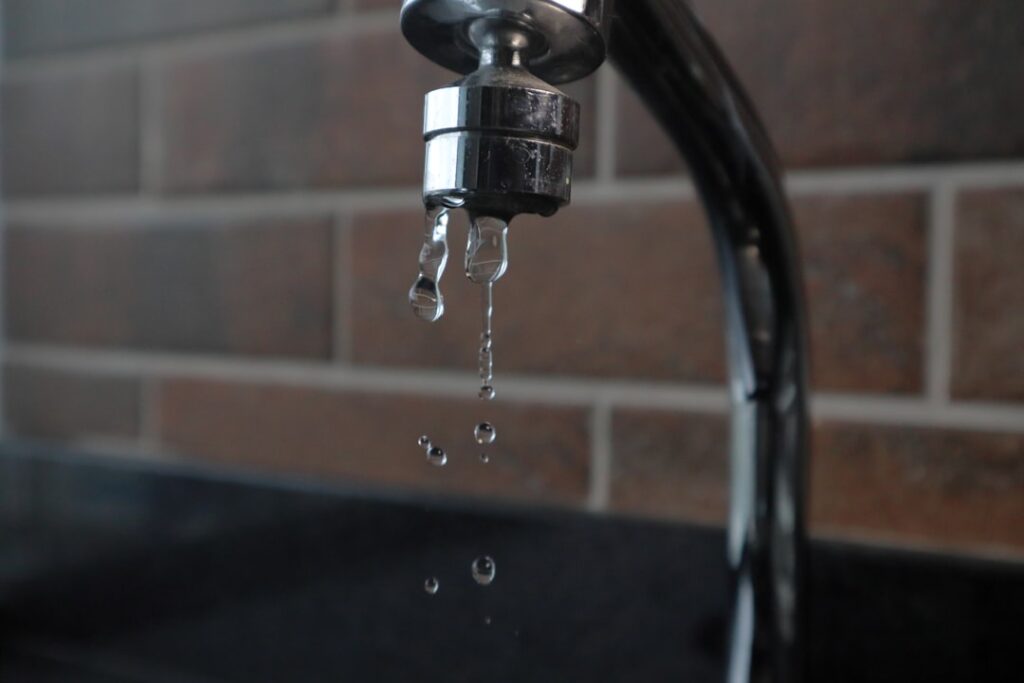
You use one dozens of times a day without a second thought, but understanding whats a faucet and how it works makes you a smarter homeowner when it comes to repairs, upgrades, and choosing fixtures. In simple terms, a faucet is the valve and spout that control the flow and temperature of water from your plumbing supply. Behind that everyday handle sits a clever mechanism that mixes hot and cold water, regulates pressure, and shuts off cleanly. Knowing the basic parts and types helps you fix a drip, pick the right replacement, and talk to a plumber with confidence. Here is the plain-language breakdown.
The Basic Definition
A faucet, sometimes called a tap, is a device that controls the release of water from a pipe. It connects to your home’s hot and cold water supply lines and lets you start, stop, and blend the flow with a handle or lever. At its heart is a valve that opens to let water through and closes to stop it, all while controlling how much hot and cold mix together to set the temperature you want.
Faucets appear all over the house: kitchen sinks, bathroom vanities, tubs and showers, laundry sinks, and outdoor hose bibs. Although they look different, they all perform the same fundamental job of giving you controlled access to your plumbing’s water supply.
How a Faucet Works
When you lift or turn the handle, you are operating a valve inside the faucet body. That valve opens a passage, allowing pressurized water from the supply lines to flow up through the spout. Most faucets blend hot and cold water on the way through, so moving the handle changes both the volume and the temperature of the stream.
The pressure that pushes water out comes from your home’s plumbing system, not the faucet itself. The faucet simply meters that pressure, opening and closing the path. A small screen at the tip called an aerator mixes air into the stream, which reduces splashing and saves water while still feeling full. When you shut the handle, the internal valve seals against a seat to stop the flow completely.
The Main Parts of a Faucet
A typical faucet is made of several components working together. Knowing their names makes repairs and shopping far easier:
- Spout: the curved or straight tube that water flows out of
- Handle(s): the lever or knob you operate to control flow and temperature
- Cartridge, ball, or disc: the internal valve mechanism that regulates water
- Aerator: the screened tip that mixes air into the stream and controls flow rate
- O-rings and washers: rubber seals that prevent leaks at moving parts
- Supply lines: the flexible hoses connecting the faucet to the shutoff valves
- Mounting hardware: the nuts and base that secure the faucet to the sink or counter
When a faucet drips or leaks, the culprit is usually a worn seal or a failing cartridge, both of which are common, inexpensive repairs.
Types by Valve Mechanism
Faucets are often categorized by the internal valve they use, which affects how they feel and how you repair them. There are four common designs. Compression faucets, the oldest type, use a rubber washer that presses against a seat; they have separate hot and cold handles and tend to drip when the washer wears. Ball faucets use a single handle over a slotted ball to mix water, common on older kitchen sinks.
Cartridge faucets use a movable cartridge and offer smooth, reliable operation in both single and double-handle styles. Ceramic disc faucets, the most modern, use two polished discs that slide to control flow; they are durable and rarely drip. When buying or repairing, knowing which type you have determines the parts and approach you will need.
Types by Use and Configuration
Faucets also differ by where and how they are installed. Kitchen faucets often feature a tall, arching spout and a pull-down or pull-out sprayer for washing dishes and filling pots. Bathroom faucets are usually lower and come in several mounting styles to match the sink. Common configurations include:
- Single-hole: one handle and spout in a single mounting hole
- Centerset: handles and spout combined on a base, set 4 inches apart
- Widespread: separate handles and spout spaced 8 inches or more apart
- Wall-mounted: mounted to the wall above the sink rather than the deck
- Touchless: sensor-activated for hands-free operation
Matching the faucet’s configuration to the number of holes in your sink or counter is essential when shopping for a replacement.
Common Finishes
Beyond function, the finish sets the look and affects maintenance. Chrome is affordable, bright, and easy to clean but shows water spots. Brushed nickel hides fingerprints and spots well and pairs with many styles. Matte black is a popular modern choice, while brushed gold and bronze finishes add warmth. Stainless and oil-rubbed bronze remain durable, classic options.
Choose a finish that coordinates with your other fixtures and hardware for a cohesive look. Keep in mind that some finishes, like polished chrome and gloss black, reveal water spots more readily, while brushed and matte finishes are more forgiving day to day.
Choosing and Maintaining a Faucet
When selecting a faucet, match it to your sink’s hole configuration, pick a valve type known for reliability such as ceramic disc or cartridge, and choose a finish that suits your decor. For kitchens, a pull-down sprayer adds real convenience; for bathrooms, the mounting style must fit your sink. Look for solid brass construction and a reputable brand for longevity.
Maintenance is simple. Wipe the finish with a soft cloth and mild cleaner, avoiding abrasive pads that scratch. Periodically unscrew and rinse the aerator to clear mineral buildup that weakens the stream. If a faucet drips, replacing the worn cartridge or washer usually solves it for a few dollars.
Common Faucet Problems and Easy Fixes
Most faucet troubles trace back to a handful of wear items, and many are well within reach of a homeowner with basic tools. A steady drip from the spout almost always means a worn cartridge, washer, or O-ring; shutting off the supply valves under the sink and swapping the part restores a clean seal. A weak or sputtering stream usually points to a clogged aerator, which you can unscrew, soak in vinegar to dissolve mineral deposits, rinse, and reinstall.
Other frequent issues have simple causes too. A leak around the base of the handle often means a deteriorated O-ring inside the body. A faucet that is hard to turn may have mineral buildup or a stiff cartridge. Knowing the parts helps you diagnose which component to replace, and most repair kits are inexpensive and specific to your faucet’s brand and model.
When to Repair and When to Replace
Deciding between a repair and a full replacement comes down to age, condition, and cost. If the faucet is relatively new and the body is sound, replacing a cartridge or seal for a few dollars is the obvious choice. But if the fixture is old, corroded, leaking from multiple points, or simply outdated, a new faucet often makes more sense than chasing repeated repairs.
A new mid-range faucet typically costs $75 to $250, and installation is a manageable project if you are comfortable working under the sink. Knowing whats a faucet, how it works, and what its parts do turns these small fixes and upgrades into approachable DIY jobs and helps you choose the right fixture every time.