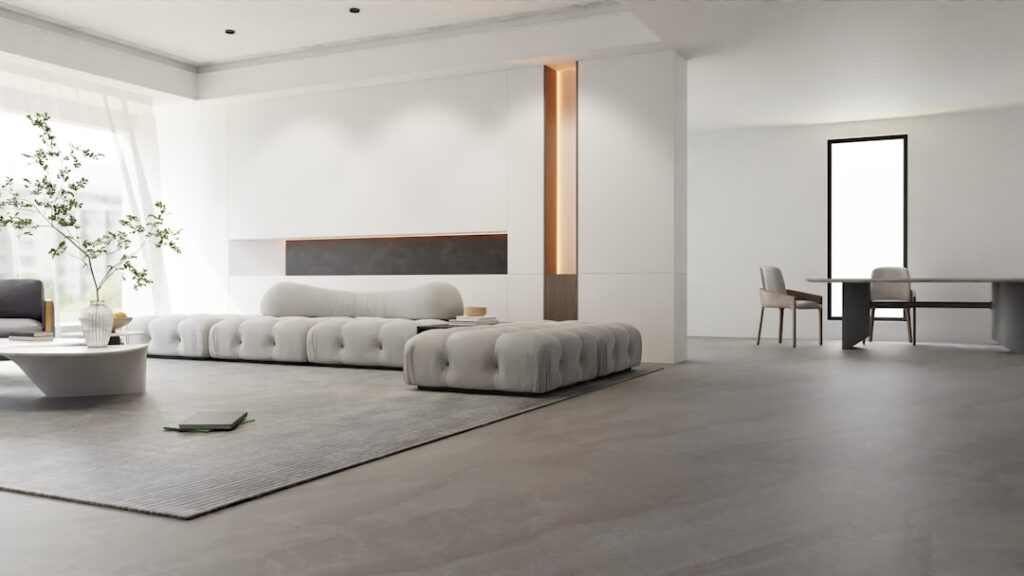
Rigid-core vinyl has taken over the flooring aisle, but figuring out the smartest place to actually purchase it is its own puzzle. Knowing where to buy SPC flooring — stone plastic composite, the rigid waterproof vinyl that mimics wood and tile — affects your price, selection, and the help you get along the way. Big-box stores, specialty flooring shops, online retailers, and buying direct from manufacturers each have real strengths and trade-offs. This guide walks through every source honestly so you can match where you shop to your project, budget, and how much guidance you want.
What SPC Flooring Is First
A quick grounding helps you shop well. SPC stands for stone plastic composite, a type of rigid-core luxury vinyl built around a dense limestone-and-plastic core. That core makes it waterproof, dimensionally stable, and tough underfoot, with a printed design layer and a clear wear layer on top. It clicks together as a floating floor, handles temperature swings better than flexible vinyl, and works over most subfloors. Because so many brands now make SPC, prices and quality vary widely — which is exactly why where you buy it matters as much as what you buy.
Big-Box Home Improvement Stores
National home centers are the default starting point for most homeowners, and for good reason.
- Pros: Convenient locations, in-stock product you can take home today, easy returns, frequent sales, and the ability to grab samples and installation tools in one trip.
- Cons: Selection is curated and can feel limited, the lowest-priced lines may have thin wear layers, and floor staff are generalists rather than flooring specialists.
Big-box is a strong choice for budget-friendly projects, quick timelines, and DIYers who want everything under one roof. Always check the wear-layer thickness rather than just the price.
Flooring Specialty Stores
Dedicated flooring retailers and local showrooms trade convenience for expertise. Here you will find a deeper range of SPC products, often including higher-end lines with thicker wear layers, wider planks, and more realistic visuals than the big boxes carry. The staff genuinely know flooring and can guide you on the right product for moisture, traffic, and subfloor conditions. Many offer professional installation and stand behind the job. The trade-off is that prices can run higher and selection varies by location. For a large or high-stakes installation where you want expert advice and a single point of accountability, a specialty store earns its premium.
Online Retailers
Buying SPC online has matured into a serious option, with both flooring-focused e-commerce sites and large general marketplaces carrying a vast range.
- Pros: The widest selection by far, easy price comparison, customer reviews, and frequently lower prices than physical stores. Most sites ship samples so you can see and feel a product before committing.
- Cons: You cannot inspect a full floor in person, shipping freight adds cost and time, returns on heavy flooring can be a hassle, and you handle the receiving and inspection of pallets yourself.
Order samples first, confirm the wear layer and warranty, and check whether shipping is included before assuming online is cheaper.
Direct From the Manufacturer
Some SPC makers sell straight to consumers, online or through a network of dealers. Buying direct can mean access to the full product line, clear specs straight from the source, and sometimes better pricing by cutting out a middle layer. It is also the most reliable way to get matching material for a large job or a future repair, since you are dealing with the people who actually produce the floor. The downside is that minimums can be higher, support is product-specific, and you may still need a separate installer. Direct works best for bigger projects or when you have settled firmly on one brand.
Comparing the Sources at a Glance
Each channel suits a different buyer:
- Big-box: Best for convenience, speed, and budget DIY projects.
- Specialty store: Best for expert guidance, premium selection, and professional installation.
- Online: Best for the widest choice and price shopping, if you are comfortable buying freight.
- Direct from maker: Best for large jobs, full product lines, and securing matching stock.
Many savvy buyers blend channels — sampling at a big-box, comparing online, then purchasing wherever the right product and price land.
How to Buy SPC the Smart Way
Wherever you shop, a few habits protect you. Order physical samples and view them in your own light before deciding. Compare the wear-layer thickness, since that drives durability more than overall plank thickness — thicker wear layers handle more traffic. Read the warranty and confirm it covers your use, residential or commercial. Calculate your square footage and add roughly 10 percent for waste and future repairs, ideally from the same production lot for a color match. Factor in shipping or pickup, underlayment needs, and whether the price includes everything. Resist judging on price alone, because a cheap floor with a paper-thin wear layer is no bargain.
The Bottom Line
There is no single best answer to where to buy SPC flooring — only the best fit for your project. Choose big-box for convenience and budget DIY, a specialty store for expertise and installation, online for selection and price comparison, or direct from the maker for large jobs and matching stock. Across every channel, the smart move is the same: sample before you buy, scrutinize the wear layer and warranty, order extra from one lot, and account for the full delivered cost. Do that, and you will end up with the right rigid-core floor at a fair price, no matter which door you walk through.
Questions to Ask Any Seller
Wherever you shop, a short list of questions cuts through marketing and reveals what you are really getting. Ask about the wear-layer thickness in mils, since this single spec drives durability more than anything else. Ask what the warranty covers and for how long, and whether it applies to your use. Confirm the plank and overall thickness, the locking system, and whether an attached pad is included so you do not accidentally double up underlayment. Ask whether the product and color are current or being discontinued, which affects your ability to get matching repair stock later. And for online or direct purchases, ask whether the quoted price includes freight and what the return policy is on opened pallets. Good sellers answer these readily; evasive answers tell you to keep looking.
Timing Your Purchase
A little patience can stretch your budget. Flooring goes on sale around major holiday weekends and at season changes, and big-box stores run frequent promotions on rigid-core lines. Discontinued and overstock lots through liquidators can be dramatically cheaper if the product happens to suit your project. The trade-off with closeouts is that you cannot reorder later, so buy enough in one purchase to cover the room plus a healthy waste-and-repair margin from the same lot. If your timeline is flexible, watching for a sale on a quality SPC line you have already sampled is one of the easiest ways to get a better floor for the same money.
Prefer to explore on your own?
See how new flooring looks in your actual room in seconds — free, no signup.
Try the free Floor Studio →