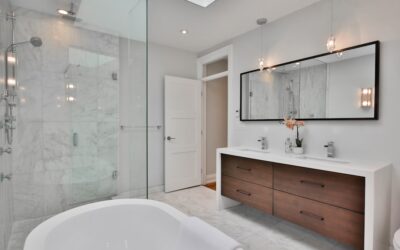
Most homeowners walk into the first store they think of and pay 30-50% more than they should. Knowing where to buy tiles matters more than the tile itself, because the same Italian porcelain plank can cost $2.79 per square foot at a wholesale importer and $5.49 at a national chain. The best source depends on your project size, design taste, and how much hand-holding you need. Here is the practical breakdown after fifteen years of sourcing tile for kitchens, bathrooms, and full-floor renovations.
Part of our Tile & Grout guide — explore the full guide →
Big-Box Home Improvement Stores
Home Depot and Lowe’s stock the broadest mix of ceramic, porcelain, and basic natural stone. Pricing usually runs $0.99 to $4.99 per square foot for in-stock SKUs, with another $5-$15 for premium lines. Inventory turns fast, so a tile available today may be gone in three weeks. That matters if you need to match a damaged piece a year later.
The upside is convenience. You can pick up thinset, grout, trowels, and spacers in one trip, return leftovers within 90 days, and rent a wet saw for about $48 a day. The downside is depth of selection. Specialty patterns, large-format slabs over 24×48 inches, and designer collections rarely show up here.
Specialty Tile Showrooms
Local independent showrooms and chains like The Tile Shop, Daltile, or Floor & Decor sit in the middle. Floor & Decor in particular has rewritten the playbook by carrying 1,500+ in-stock styles at warehouse prices. Expect $1.49 to $7.99 per square foot for porcelain and $4-$25 for natural stone.
Specialty stores hire designers who can spec full bathrooms, including coordinating accent strips and mosaic borders. If you bring a Pinterest board and a floor plan, they will lay out a complete shopping list in 30 minutes. That service alone often saves the markup.
Online Retailers and Direct Importers
Wayfair, Build.com, and BuildDirect ship tile straight to your driveway. Pricing is competitive, but freight on a pallet of porcelain runs $150-$400, which can erase the savings on a small order. For projects over 400 square feet, online direct from importers like Tile Bar or Bedrosians often beats every other channel by 15-25%.
Order generous samples before committing. A 4×4 inch chip rarely shows the variation you will see across a 1,200 square foot floor. Most online sellers refund sample fees if you place a full order.
Wholesale Distributors and Trade-Only Sources
If you have a contractor’s license or a resale certificate, distributors like MSI, Arizona Tile, and Emser Tile open up trade pricing that runs 30-50% below retail. Some now sell to homeowners through trade-show events or co-op buying clubs. Ask your installer if they can pass through their discount, then mark up just enough to cover their handling.
Architectural Salvage and Remnant Yards
For small bathroom floors or backsplashes, salvage yards and stone fabricators selling slab remnants are a goldmine. A bathroom under 40 square feet can be tiled in $400 of marble that originally retailed for $1,800. The trick is patience. You scout, measure, and wait for the right piece. This is where to buy tiles when budget is tight and lead time is flexible.
Comparing Costs Across Sources
- Home Depot/Lowe’s: $0.99-$4.99 per sq ft, broad availability, limited design depth
- Floor & Decor: $1.49-$7.99 per sq ft, strong selection, in-stock advantage
- The Tile Shop: $3.99-$14.99 per sq ft, designer-driven collections
- Online (Wayfair, Build.com): $1.99-$9.99 per sq ft, plus freight
- Direct importers: $1.79-$6.49 per sq ft on volume orders
- Salvage yards: $1-$5 per sq ft, small batches only
What to Bring When You Shop
Walk in with three things: accurate square footage including 10% waste, a sample of your cabinet or vanity finish, and photos of the room in natural light. Lighting changes tile color dramatically. A warm gray that reads beautiful under store halogens can pull green next to your beige carpet.
Always buy 10-15% extra on rectified porcelain and 15-20% extra on natural stone. Lots vary, and reordering a year later usually means a different production run with subtle color shifts.
Lead Times and Stock Reality
The store with the lowest price wins nothing if the tile arrives three weeks after your installer is scheduled. Big-box stores carry the highest in-stock probability for common sizes and colors. Specialty showrooms typically order from regional warehouses with one to two week lead times. Direct importers and overseas factories can run six to twelve weeks, especially for premium European and Asian brands.
Always confirm in-stock vs. special-order status before signing. Specialty patterns from a single overseas mill can backorder for months if a container ship runs late.
Final Picks by Project Type
For a bathroom remodel under 80 square feet, Floor & Decor or a specialty showroom usually wins on selection. For a 1,500 square foot main floor, get quotes from at least one online importer and one local distributor. For a kitchen backsplash, salvage yards and online mosaic sellers like Tile Bar offer the best mix of price and design freedom. For an outdoor patio or pool surround, prioritize a vendor that documents the slip-resistance rating and freeze-thaw certification on every box.
Where to buy tiles ultimately comes down to balancing price, selection, and service. Big projects reward bargain hunting. Small projects reward shopping where someone will help you nail the design in one visit. Build the short list of two to three vendors before you walk into the first store, and the buying process turns from overwhelming to genuinely fun.
Prefer to explore on your own?
See how new flooring looks in your actual room in seconds — free, no signup.
Try the free Floor Studio →