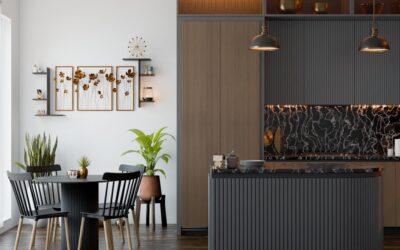
Few pairings have stayed as popular as crisp white cabinets topped with warm wood counters. A white kitchen with butcher block balances the clean, bright feel of white cabinetry with the organic warmth and natural grain of wood, creating a space that feels both fresh and inviting. The look works in farmhouse, modern, and traditional kitchens alike. Before you commit, though, it pays to understand the wood options, the maintenance involved, and how to style the combination so it lasts.
Part of our Countertops guide — explore the full guide →
Why the Combination Works So Well
White cabinets reflect light and make a kitchen feel larger and cleaner, but on their own they can read cold or clinical. Butcher block counters solve that instantly. The wood’s warm tones and visible grain add texture and a sense of comfort, softening the brightness of the white. The contrast is high enough to feel intentional yet harmonious enough to feel timeless rather than trendy.
The combination is also flexible. Pair it with black hardware and a farmhouse sink for rustic charm, or with sleek handles and a tile backsplash for a more modern edge. The neutral foundation takes nearly any direction you want to add later.
Choosing Your Butcher Block Wood
Butcher block comes in several species, each with a different look, hardness, and price point:
- Maple: The classic choice. Light, creamy color with subtle grain, hard and durable, and budget-friendly.
- Oak: Pronounced grain and a warm tone, very durable, with more visual character.
- Walnut: Rich, dark brown that creates dramatic contrast against white cabinets. More expensive but stunning.
- Birch and beech: Light, affordable options similar to maple.
- Cherry: Warm reddish tones that deepen beautifully with age.
You will also choose a grain construction. Edge-grain blocks show long, clean lines and are the most common. End-grain blocks, with the wood’s end faces up, are tougher on knives and ideal for chopping surfaces but cost more.
Sealing and Finishing Options
How you finish butcher block determines how it ages and how you maintain it. There are two main paths:
- Oil finish: Food-safe mineral oil or a beeswax blend penetrates the wood, keeping it soft, matte, and food-safe for chopping directly on the surface. It requires regular reapplication.
- Hard sealant (varnish or polyurethane): Forms a protective film that resists water and stains and needs far less upkeep, but you should not cut directly on it, and damage is harder to spot-repair.
Many homeowners choose oil for its natural look and easy repairability, accepting that it asks for routine attention. If low maintenance matters more than chopping directly on the counter, a sealed finish makes sense.
Maintenance and Oiling Routine
Oiled butcher block needs regular care to stay protected and beautiful. The wood will tell you when it is thirsty: water stops beading and soaks in, and the surface looks dry or pale. Plan to oil new counters frequently at first, then settle into a routine:
- Apply food-grade mineral oil generously, let it soak in for several hours or overnight, then wipe off the excess.
- Oil monthly to start, then every one to three months as the wood becomes saturated.
- Wipe up spills promptly, especially water, wine, and acidic juices.
- Clean with mild soap and water, never letting standing water sit on the surface.
- Sand out scratches and burns lightly, then re-oil the spot, one of butcher block’s best features.
Durability and What to Expect
Butcher block is durable but not indestructible, and it develops character over time. Expect minor scratches, the occasional dent, and a patina that deepens with age, all of which most owners come to appreciate. Heat is the main enemy: never set a hot pan directly on the wood, and keep it away from prolonged moisture around the sink, which is the most likely spot for staining or warping.
With consistent oiling and a few sensible habits, butcher block holds up for many years, and unlike stone, you can refinish it yourself by sanding and re-oiling rather than replacing it.
Where to Use Butcher Block in the Kitchen
You do not have to commit your entire counter run to wood. Many homeowners use butcher block strategically, which controls cost and limits exposure to the hardest-working, wettest zones. A popular approach is wood on the island as a warm centerpiece, paired with quartz or another low-maintenance surface around the perimeter and sink. That combination gives you the look and a practical chopping surface without putting wood next to constant water.
- Island top: A statement surface that draws the eye and doubles as a prep station.
- Perimeter runs: Beautiful and seamless, but keep it away from the sink or seal that section well.
- A dedicated prep section: A single stretch of end-grain block for chopping, with stone elsewhere.
Mixing materials is not a compromise so much as a smart way to put each surface where it performs best.
Budget and Value Considerations
One of butcher block’s appeals is its relative affordability. Maple and birch blocks generally cost less per square foot than quartz, granite, or quartzite, making them a budget-friendly way to warm up a white kitchen. Walnut and end-grain construction sit at the higher end but still often undercut premium stone. Many homeowners also install butcher block themselves, since the panels are workable with standard tools, which trims labor cost further.
Weigh the maintenance into the value equation, though. The lower upfront price comes with the ongoing commitment of oiling and careful use around water and heat. For people who enjoy the hands-on care and the wood’s character, that trade is well worth it; for those who want a set-and-forget surface, a sealed finish or a mixed-material layout bridges the gap.
Styling the Look
To make a white kitchen with butcher block feel cohesive, repeat the wood tone elsewhere, perhaps in open shelving, bar stools, or a cutting board, so the counter does not feel like an outlier. Decide on a hardware finish that bridges the two: matte black, brushed brass, and oil-rubbed bronze all complement wood and white beautifully. A subway tile or natural stone backsplash keeps the palette light and lets the counter shine.
The white-and-wood pairing has endured because it is both practical and genuinely warm. Choose a species you love, pick a finish that matches how you cook, and commit to the simple oiling routine, and your white kitchen with butcher block will stay as inviting as the day it was installed.