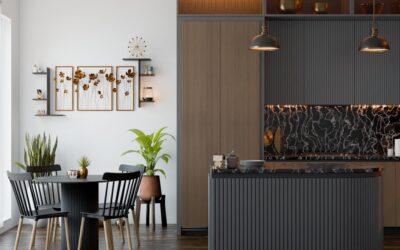
Nothing warms up a kitchen quite like wood, and browsing pictures of kitchens with butcher block countertops is the fastest way to see how versatile this material really is. From crisp modern farmhouses to cozy cottages and sleek Scandinavian spaces, butcher block adapts to nearly any style. Because photographs only capture the finished look, this guide goes further, describing the design ideas behind those inspiring kitchens so you can recreate them: which wood species to choose, what colors to pair with them, and the styling details that make the difference between a warm, inviting kitchen and one that just looks unfinished.
Part of our Countertops guide — explore the full guide →
- Why Butcher Block Keeps Showing Up in Kitchen Photos
- Popular Wood Species and the Looks They Create
- Design Combinations That Look Best in Photos
- Mixing Butcher Block With Other Countertops
- Styling Details That Make These Kitchens Shine
- The Practical Side Behind the Pretty Pictures
- Using Photos to Plan Your Own Kitchen
- Frequently Asked Questions
Why Butcher Block Keeps Showing Up in Kitchen Photos
Butcher block earns its place in design galleries for a simple reason: it adds warmth and natural texture that stone and laminate cannot match. Wood softens the hard edges of a kitchen, brings in organic grain, and reads as both classic and current. It is also relatively affordable, often $30 to $100 per square foot installed, well below premium quartz or granite, which lets homeowners achieve a high-end, custom look on a modest budget. The result is a countertop that photographs beautifully and feels welcoming in person.
Popular Wood Species and the Looks They Create
The species you choose sets the entire mood of the kitchen. The most common options in those inspiring photos are:
- Maple: Pale, creamy, and fine-grained. Maple is the classic bright butcher block seen in farmhouse and Scandinavian kitchens. It keeps a space feeling light and airy.
- Walnut: Deep chocolate brown with rich grain. Walnut counters create a dramatic, luxurious look, especially against light cabinetry, and dominate modern and mid-century photos.
- Oak: Warm honey tones with pronounced grain, a nod to traditional and rustic kitchens.
- Cherry: Reddish-brown that deepens with age, lending a warm, formal elegance.
- Acacia and birch: Budget-friendly with lively grain variation, popular in casual, eclectic kitchens.
Design Combinations That Look Best in Photos
White Cabinets With Maple or Walnut Block
The most photographed pairing of all: crisp white shaker cabinets topped with butcher block. Light maple keeps everything soft and bright, while walnut adds bold contrast that pops against the white. Either way, this combination is the backbone of the modern farmhouse look.
Navy or Green Cabinets With Warm Wood
Deep, moody cabinet colors like navy blue and forest green have surged in popularity, and butcher block is their perfect partner. The warm wood balances the cool, saturated cabinets and keeps the kitchen from feeling cold. These two-tone kitchens are among the most striking in design galleries.
Black Cabinets With Light Butcher Block
For a dramatic, high-contrast kitchen, pair matte black lower cabinets with pale maple or birch counters. The wood glows against the dark base, creating a look that feels both edgy and warm.
All-Wood and Scandinavian Kitchens
Some of the most serene photos show light wood cabinets and matching butcher block for a seamless, natural palette. Add white walls and simple hardware, and the space feels calm and timeless.
Mixing Butcher Block With Other Countertops
A trick that shows up constantly in well-designed kitchens is using butcher block for only part of the counter. Homeowners install durable quartz or granite on the main work zones and around the sink, then use butcher block on an island or a coffee station as a warm accent. This mixed-material approach gives you the best of both: the practicality of stone where you cut and the beauty of wood where you gather. An island topped in walnut against perimeter counters of white quartz is a gallery favorite.
Styling Details That Make These Kitchens Shine
The photos that stop you scrolling share common styling elements. Recreate them with these touches:
- Undermount farmhouse sink: A white apron-front sink set into butcher block is the quintessential warm-kitchen image.
- Open wood shelving: Echoing the counter wood on floating shelves ties the room together.
- Brass or black hardware: Warm brass complements wood tones; matte black adds contrast.
- Simple staging: A wood cutting board, a bowl of citrus, and a potted herb keep the counter looking lived-in but tidy.
- Natural light: Every great butcher block photo has soft daylight bringing out the grain.
The Practical Side Behind the Pretty Pictures
Those beautiful counters do require care, which is worth knowing before you commit. Butcher block needs periodic oiling, typically with food-safe mineral oil or a beeswax finish, to stay sealed and water-resistant. Around sinks and heavy-use zones it can stain, scorch, or develop water marks if neglected. Many owners embrace the patina and occasional sanding as part of the material’s charm, while others seal it with a durable polyurethane for a more maintenance-free surface at the cost of the cutting-board feel. Understanding this tradeoff helps you decide whether to use butcher block everywhere or reserve it for an accent.
Using Photos to Plan Your Own Kitchen
When you save inspiration images, look past the countertop itself to the whole palette: the cabinet color, the wall tone, the hardware finish, the flooring, and the lighting. Note which wood species appears and how light or dark it is, since that single choice drives the mood. Then order samples of two or three species and view them in your own kitchen’s light before deciding. What looks perfect in a bright studio photo may read differently under your fixtures, so testing beats guessing every time.
Frequently Asked Questions
What wood is best for butcher block countertops?
Maple is the most popular for its pale, durable, fine grain, while walnut is favored for a rich, dark, luxurious look. Oak and cherry suit traditional kitchens. All are hard enough for daily use with proper care.
Are butcher block countertops hard to maintain?
They need periodic oiling with food-safe mineral oil to stay sealed, and they can stain or scorch if neglected. Sealing with polyurethane reduces maintenance but removes the true cutting-board surface.
Can I mix butcher block with quartz or granite?
Yes, and it is a popular design move. Many kitchens use durable stone on main work areas and butcher block on an island or accent zone for warmth, giving you both practicality and beauty.
What cabinet colors go with butcher block?
White is the classic pairing, but navy, forest green, and matte black all look striking against warm wood counters. Light maple brightens a space while dark walnut adds bold contrast.