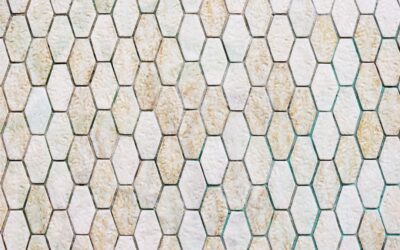
White tile is the safe, timeless backdrop of countless kitchens and bathrooms, but on its own it can tip over into cold or clinical. Introduce a bit of shimmer and the whole space warms up instantly. White tile with gold accents pairs the clean, bright neutrality of white with the warmth and richness of gold, striking a balance that feels luxurious without going overboard. The gold can come from metallic trim, veined tile, brass hardware, or a warm grout, and knowing how to layer those elements is what separates an elegant result from a gaudy one. This guide shows you how to get it right.
Part of our Tile & Grout guide — explore the full guide →
Why White and Gold Work Together
The appeal is really about contrast and temperature. White is a cool, expansive color that makes rooms feel larger and brighter, while gold is warm, reflective, and rich. Put them together and the gold keeps the white from feeling sterile, while the white keeps the gold from feeling heavy or dated. Because gold is a warm metallic rather than a bold color, it flatters almost any white, from crisp bright whites to soft creams. The result reads as classic and upscale, which is why the combination shows up so often in high-end kitchens, powder rooms, and spa-style bathrooms.
Ways to Bring in the Gold
Gold accents can enter a white tile design at several levels, and the best rooms use restraint, choosing one or two of these rather than all at once.
- Gold-veined tile: White marble-look porcelain or quartz tile with warm gold veining, similar to Calacatta Gold marble, builds the accent right into the surface for a subtle, all-over glow.
- Metallic trim and pencil liners: Thin brushed-gold or brass trim strips frame a backsplash or edge a niche, adding a crisp line of shine.
- Gold-accented mosaic: Mosaics that mix white tile with occasional gold or brass chips create sparkle without covering the whole wall in metal.
- Hardware and fixtures: Brushed-gold faucets, cabinet pulls, and lighting tie the tile to the rest of the room and are the easiest way to introduce gold on a budget.
Choosing the Right Gold Finish
Not all golds are the same, and mixing the wrong ones looks like a mistake rather than a choice. Polished, shiny gold reads glamorous and formal, ideal for a powder room where a little drama is welcome. Brushed or satin gold is softer, more modern, and more forgiving of fingerprints, which makes it the practical pick for a busy kitchen or main bath. Champagne and rose-tinted golds lean contemporary, while true brass reads warmer and more traditional. Pick one gold tone and repeat it consistently across the tile trim, faucet, and hardware so everything feels coordinated rather than accidental.
The Grout Question
Grout color quietly shapes how the whole design reads. With white tile and gold accents, a white or off-white grout keeps the look clean and lets the gold be the only point of contrast, which is the most elegant approach. A warm greige or light taupe grout adds subtle definition and complements the gold’s warmth, giving a slightly softer, more lived-in feel. Avoid a cool gray grout, which fights the warm gold and can make the whole palette feel disjointed. If you want the tile pattern to stand out more, a warm mid-tone grout will do it without competing with the metallic accents.
Where This Look Shines
White tile with gold accents adapts to several spaces, each with its own approach. In a kitchen, a white subway or marble-look backsplash with brushed-gold trim and matching cabinet hardware feels fresh and warm. In a primary bath, gold-veined white floor and wall tile paired with a gold-framed mirror and gold faucet creates a genuine spa atmosphere. A powder room is the perfect place to be bolder, since its small size and guest-only use let you use glossier gold and more dramatic veining than you might risk elsewhere. Even a fireplace surround or an accent wall can carry the look into living spaces.
Keeping It Elegant, Not Overdone
The line between luxurious and gaudy comes down to proportion. Gold should be the accent, not the main event, so let white dominate the surfaces and use gold in measured doses. A good rule is to choose one hero element, such as gold-veined tile or a striking gold-trimmed niche, and then echo it with smaller touches like hardware and a light fixture, rather than layering gold on every possible surface. Keep the rest of the palette calm, with white or warm neutral walls and simple cabinetry, so the gold has room to breathe. Restraint is what makes the warmth feel intentional and high-end.
Budget and Where to Splurge
You can create this look at almost any budget by being strategic about where the gold goes. The most affordable route pairs a plain white ceramic subway tile, often under $5 per square foot, with brushed-gold cabinet hardware and a gold faucet, letting inexpensive fixtures carry all the warmth. Stepping up, a run of brass pencil-liner trim framing the backsplash adds a custom, tailored edge for a modest material cost. The splurge tier is gold-veined marble-look porcelain or a genuine Calacatta Gold slab, where the metallic effect is built into the surface itself and reads as truly high-end.
A smart approach for many homeowners is to spend where the eye lingers and save elsewhere. Put the money into one focal area, such as a gold-veined tile behind the range or a mosaic-trimmed niche, and keep the surrounding field tile simple and affordable. Because the hardware and lighting do so much of the work in tying the palette together, upgrading those relatively small pieces to a quality brushed-gold finish delivers an outsized effect for the dollars spent, and it keeps the whole room feeling cohesive without tiling every wall in premium material.
Final Thoughts
A design built around white tile with gold accents gives you the timeless, light-filled quality of white with a layer of warmth and luxury that keeps it from feeling flat. Decide how you want the gold to enter the room, whether through veined tile, metallic trim, mosaic sparkle, or hardware, then commit to a single gold finish and repeat it consistently. Pair it with a white or warm neutral grout, let white remain the dominant tone, and use gold as the accent it is meant to be. The result is a kitchen or bath that feels rich, current, and calmly elegant, and that ages far better than trendier color combinations.
Prefer to explore on your own?
See how new flooring looks in your actual room in seconds — free, no signup.
Try the free Floor Studio →