Clean, crisp, and famously low-maintenance, white vinyl fence panels have become one of the most popular fencing choices for American yards. They never need painting, resist rot and insects, and deliver that classic bright-white look year after year with little more than an occasional rinse. Whether you want privacy in the backyard or a tidy picket line out front, vinyl panels offer a durable, attractive solution. Here is what to know before you buy.
Part of our Decks & Outdoor guide — explore the full guide →
What Vinyl Fence Panels Are Made Of
Vinyl fencing is manufactured from polyvinyl chloride (PVC), the same durable plastic used in many building products. Quality panels include UV inhibitors and impact modifiers that help them resist sun fading, cracking, and yellowing. They are sold as preassembled panels or as rails and pickets that slot together, then mount between posts set in the ground. Unlike wood, vinyl will not splinter, warp, or need staining.
Popular Styles
White vinyl comes in a range of styles to match different needs and home designs:
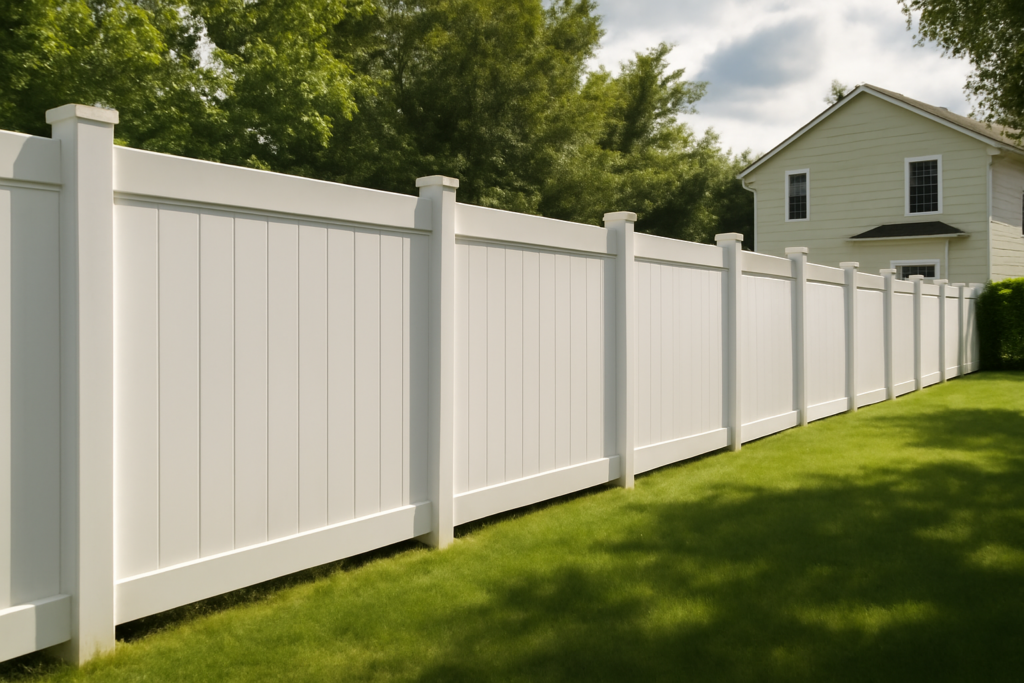
- Privacy panels: solid boards, typically 6 feet tall, that block sightlines and wind
- Semi-privacy: panels with small gaps or lattice tops for airflow and a softer look
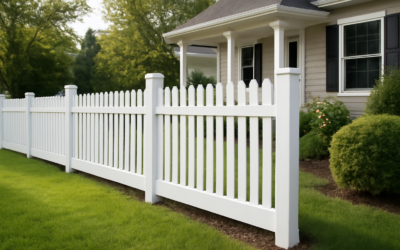
- Picket fence: the classic spaced-picket front-yard style
- Ranch rail: two or three horizontal rails for a clean, open boundary
- Lattice-top privacy: a solid base with a decorative lattice section on top
Advantages Over Wood
The main reason homeowners choose vinyl is maintenance. Wood fences need regular sealing, staining, or painting and still eventually rot, while vinyl asks only for occasional cleaning. Vinyl also resists insects, moisture, and the graying that affects wood. It tends to last longer in harsh weather, and many manufacturers back it with lengthy warranties. The trade-off is a higher upfront cost and a more uniform, manufactured appearance compared to natural wood grain.
What White Vinyl Fence Panels Cost
Vinyl carries a higher initial price than wood but lower lifetime cost thanks to minimal upkeep. Materials for a typical privacy fence run roughly $20 to $40 per linear foot, with picket and rail styles often costing less. Installed, expect a total of about $25 to $60 per linear foot depending on style, height, and local labor rates. Privacy panels cost more than open picket or ranch-rail designs because they use more material.
Installation Basics
Installing vinyl fence is achievable for a capable DIYer, though precision matters because the panels are rigid and rely on accurate post spacing.
- Check local codes and call to mark underground utilities before digging.
- Lay out the fence line and mark post locations at the manufacturer’s spacing.
- Dig post holes below the frost line in your region for stability.
- Set posts in concrete, keeping them perfectly plumb and evenly spaced.
- Once the concrete cures, slide or attach the rails and panels between posts.
- Add post caps and confirm gates swing freely and latch securely.
Because vinyl panels are pre-sized, errors in post spacing are hard to fix later, so measure carefully and use a string line and level throughout.
Weather and Durability
Vinyl handles sun, rain, and humidity well, but extreme cold can make it more brittle and a hard impact can crack a panel. In very hot climates, dark debris and prolonged heat are minor concerns, though white reflects sunlight and stays cooler than darker colors. Setting posts below the frost line prevents heaving in regions with freezing winters. Quality panels with UV protection keep their white color for many years.
Cleaning and Maintenance
Maintenance is the easiest part of owning vinyl. Rinse panels with a garden hose to remove dust and pollen. For stubborn dirt, algae, or mildew, scrub with a soft brush and a mix of mild soap and water, or use a diluted household cleaner. A pressure washer on a low setting works too, though keep the spray moving so you do not force water into seams. Avoid abrasive pads that could scratch the finish.
Choosing the Right Height
Fence height shapes both function and appearance, and local codes often regulate it. Privacy fences are typically 6 feet tall, which blocks sightlines from a standing neighbor and dampens noise. Front-yard picket and rail fences usually run 3 to 4 feet to define the boundary without closing off the view, and many municipalities cap front-yard fence height for visibility. Taller 8-foot privacy panels are available where codes allow and where you want maximum seclusion. Always check your local ordinances and any homeowners association rules before buying, since exceeding the allowed height can mean a costly tear-down.
Common Installation Mistakes
A few errors cause most vinyl fence failures. Setting posts too shallow or skipping concrete leads to leaning and frost heave, so dig below your frost line and anchor posts in concrete. Spacing posts incorrectly is the big one, because vinyl panels are pre-sized and cannot be stretched or trimmed to fit a too-wide gap, so follow the manufacturer’s spacing exactly and use a string line. Forgetting to leave a small expansion gap can cause panels to buckle in summer heat. Finally, installing on uneven ground without stepping or racking the panels properly leaves awkward gaps, so plan for grade changes before you set posts.
The Bottom Line
White vinyl fence panels combine clean curb appeal with genuine low maintenance, making them a smart long-term investment for many yards. Choose the style that fits your privacy and design needs, budget for the higher upfront cost, and install posts carefully for a result that lasts. With nothing more than the occasional wash, a white vinyl fence keeps looking sharp for decades.
Adding Gates and Accessories
A complete fence usually needs at least one gate, and vinyl gates deserve extra attention because they take more stress than the fixed panels. Choose a gate kit matched to your fence style, and reinforce the gate posts with concrete and sometimes a steel or aluminum insert, since a sagging gate is the most common long-term complaint. Use quality hinges and a sturdy latch rated for outdoor use, and add a gate wheel or adjustable hinges for wide gates to prevent drooping. Beyond gates, vinyl systems offer decorative post caps, solar-lit caps, lattice toppers, and color accents that let you personalize the look. These small additions improve both the function and the curb appeal of the finished fence.