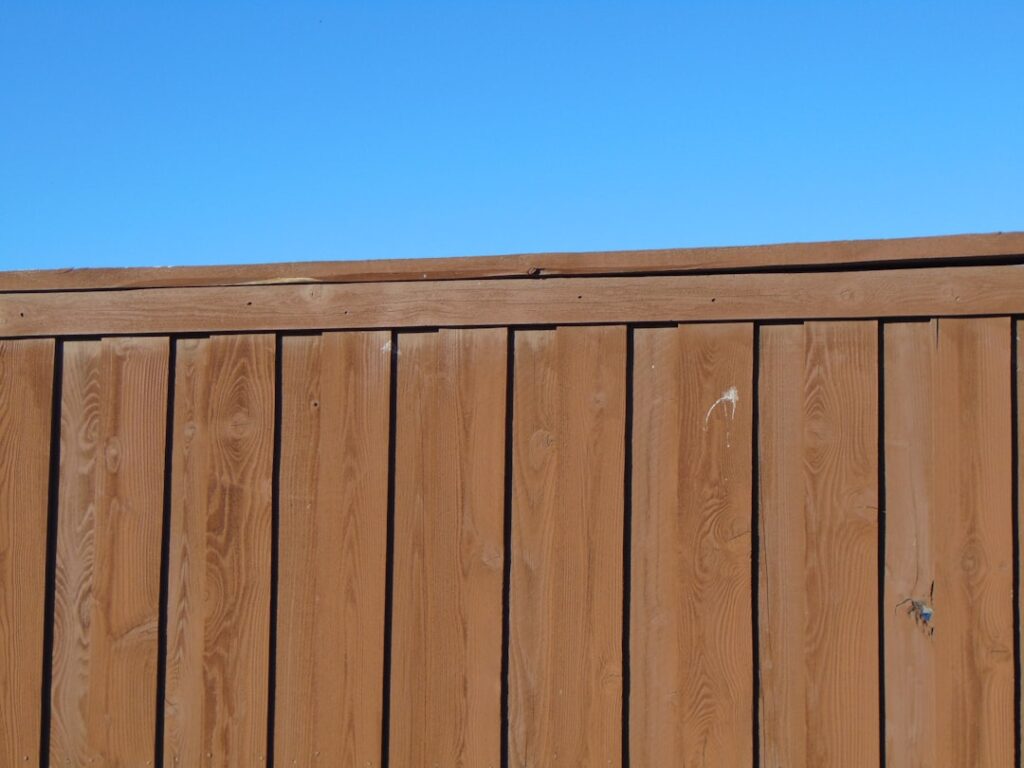
A brown vinyl fence gives you the warm, natural look many homeowners want from wood while sidestepping the painting, staining, and rot that come with real lumber. Modern brown vinyl uses color blended throughout the material and realistic woodgrain textures, so it reads as a wood fence from the curb but never needs a coat of stain.
Part of our Decks & Outdoor guide — explore the full guide →
This guide explains the styles available, what brown vinyl actually costs, how durable it really is, and what to know before you install. If you have been weighing wood against vinyl for a privacy fence or a decorative border, this will help you decide whether brown vinyl fits your yard and budget.
Why Choose Brown Over White Vinyl
White has long been the default vinyl fence color, but brown has surged in popularity for good reason. Earth tones blend into landscaping, mature trees, and natural surroundings far better than stark white, and they hide dust, pollen, and dirt that would show clearly on a light surface. For a wooded lot or a rustic-style home, brown simply looks more at home.
Brown also reads as warmer and more traditional, mimicking cedar, redwood, or weathered timber depending on the shade. The trade-off is selection and price: brown and other colored vinyl typically cost a bit more than white and may come in fewer styles, since the color and texture are built into the material rather than painted on.
Popular Styles and Shades
Brown vinyl comes in a range of tones and configurations to match different goals, from full privacy to decorative accent.
- Privacy fence: Solid panels, usually 6 feet tall, that block sightlines completely; the most common reason homeowners choose brown vinyl.
- Semi-privacy: Panels with small gaps or lattice tops that allow airflow and light while still screening the yard.
- Picket fence: Lower, spaced pickets for front yards and decorative borders.
- Ranch rail: Two- or three-rail open styles for large properties and a country aesthetic.
Shades range from light tan and golden cedar tones to deep walnut and espresso browns, and many manufacturers add embossed woodgrain texture for a more convincing wood appearance.
Cost of a Brown Vinyl Fence
Vinyl fencing costs more upfront than wood but less over its lifetime once you account for maintenance. Pricing varies by style, height, and region, so treat the following as general estimates.
- Materials and installation for vinyl fencing commonly run about $25 to $45 per linear foot installed for privacy styles.
- Colored vinyl, including brown, often adds a premium of roughly 10 to 25 percent over standard white.
- A typical mid-size backyard of 150 linear feet might land somewhere around $4,000 to $7,500 installed, depending on style and site conditions.
- DIY material-only costs are lower, but require proper post setting and tools.
Always get itemized quotes from local installers, since terrain, post depth, gates, and permit requirements all affect the final figure.
Durability and Maintenance
Vinyl’s biggest selling point is how little it asks of you. It will not rot, warp, splinter, or attract termites, and it never needs staining or sealing. Cleaning is usually as simple as spraying it down with a garden hose, or using mild soap and water for stubborn grime.
Quality brown vinyl is manufactured with UV inhibitors to resist fading, though any colored material can lighten gradually over many years of direct sun, and darker browns can show fading more than lighter shades. In very cold climates, vinyl can become more brittle and crack under sharp impact, while quality formulations are engineered to handle a wide temperature range. Choosing a reputable manufacturer with a strong warranty is the best protection here.
Installation Considerations
Proper installation is what separates a fence that lasts decades from one that leans within a few seasons. The posts carry the entire load, so they must be set deep enough, plumb, and anchored in concrete according to the manufacturer’s specifications and your local frost line.
- Call 811 before digging to have underground utilities marked.
- Check local codes, permits, and HOA rules for height and setback limits.
- Set posts in concrete at the depth your manufacturer and frost line require, keeping each one plumb.
- Let the concrete cure fully before hanging panels and gates.
- Confirm gate hardware is rated for vinyl and adjusted so gates swing freely.
Vinyl expands and contracts with temperature, so panels are designed to float slightly within the rails; follow the instructions rather than fastening everything rigidly.
Brown Vinyl Versus Wood and Composite
Against real wood, brown vinyl wins on maintenance and long-term cost but loses some of wood’s authentic texture and the ability to repaint a new color later. Wood is cheaper to buy but demands regular staining and eventually replacing rotted boards. Composite and aluminum are other alternatives, with composite offering a heavier, more wood-like feel at a higher price.
For most homeowners who want a warm, wood-look fence without the upkeep, brown vinyl hits a practical middle ground. It costs more than a basic wood fence today but saves years of weekend staining tomorrow.
It is worth running the long-term math rather than judging on sticker price alone. A wood fence might cost less to install, but factor in stain or paint every few years, periodic board replacement, and the labor of doing it, and the gap narrows considerably over a decade or two. Vinyl asks for almost nothing beyond an occasional rinse. If you plan to stay in the home a long time, that low ongoing cost and effort is often what tips the decision toward brown vinyl, especially for a long privacy run where staining would be a major recurring chore.
Is a Brown Vinyl Fence Right for You
If you value a natural, earthy appearance, minimal maintenance, and a long service life, a brown vinyl fence is a strong choice for privacy and curb appeal alike. Buy from a reputable manufacturer, confirm the warranty covers fading, set the posts correctly, and you can expect decades of low-effort performance. Weigh the higher upfront price against the years of staining you will never have to do, and for many yards the math favors vinyl.