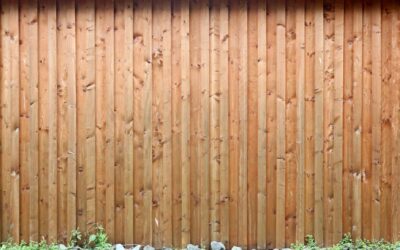
Homeowners love the warm, natural look of a wood fence right up until the third year, when the staining, sealing, and warped-board replacements start piling up. A wood look vinyl fence aims to give you the timber aesthetic you want without the endless maintenance that comes with real lumber. Modern manufacturing has come a long way, with realistic grain textures and color blends that mimic cedar or weathered barn wood convincingly from the curb. This guide covers how these fences achieve the look, what they cost, how they hold up, and whether one makes sense for your yard.
Part of our Decks & Outdoor guide — explore the full guide →
How Vinyl Mimics Real Wood
Early vinyl fencing looked plasticky and obviously fake, with a flat white sheen no one mistook for wood. Today’s wood-look vinyl is a different product. Manufacturers emboss realistic grain texture into the surface and use multi-tone color processes to replicate the natural variation of cedar, redwood, or aged gray timber. Some premium lines co-extrude a textured, color-blended outer layer over a rigid core, so the wood appearance runs deeper than a printed coating. From a few feet away, and certainly from the street, a quality wood-look vinyl panel reads convincingly as the real thing while remaining unmistakably low-maintenance up close.
The Big Advantage: Near-Zero Maintenance
The headline benefit is what you never have to do. Real wood demands staining or sealing every two to three years, plus sanding, replacing rotted boards, and battling insects and warping. Vinyl asks for none of that. It does not rot, it does not attract termites, and it will not splinter or need repainting. Upkeep amounts to occasional cleaning with a hose or a bucket of soapy water to remove dirt and mildew. Over a 20- or 30-year lifespan, the maintenance savings in time, money, and weekend labor are substantial, and for many buyers that alone justifies the switch.
Durability and Lifespan
Vinyl fencing is engineered to shrug off the elements that destroy wood. Quality panels resist moisture, UV fading, and temperature swings, and better products include UV inhibitors that keep the color from chalking or yellowing in the sun. A well-installed vinyl fence commonly lasts 20 to 30 years or more, and many carry lengthy or even lifetime limited warranties. It does have limits: vinyl can become more brittle in extreme cold and a hard impact can crack a rail rather than dent it like wood. Choosing a heavier-gauge, reputable product rather than the thinnest budget panel makes a real difference in how it withstands wind and impact over the years.
Popular Styles and Colors
Wood-look vinyl comes in the same configurations you would expect from a lumber fence, so you rarely have to compromise on design.
- Privacy panels: Solid tongue-and-groove boards for full seclusion, the most popular residential style.
- Picket: Classic spaced pickets for front yards and a traditional curb-appeal look.
- Semi-privacy and shadowbox: Slight gaps or alternating boards that allow airflow while still screening the view.
- Ranch rail: Open post-and-rail styling for large properties and a country aesthetic.
Color choices increasingly go beyond white and tan to include cedar, walnut, driftwood gray, and other wood-tone blends that sell the timber illusion.
What It Costs
A wood look vinyl fence typically costs more upfront than a basic wood fence but pays back over time through avoided maintenance. Installed, expect a range of roughly $25 to $45 per linear foot, with textured, premium wood-grain lines landing at the higher end. A standard 150-foot backyard therefore often runs $4,000 to $6,500 installed. Compared with pressure-treated pine, that is a higher initial outlay, but factor in the staining, sealing, and board replacement a wood fence needs every few years, and vinyl frequently comes out ahead over its full lifespan. The break-even point usually arrives within the first decade of ownership.
Cost Factors to Consider
- Panel quality: Thicker walls and true co-extruded grain cost more but last longer.
- Height and style: Taller privacy panels use more material than pickets.
- Terrain: Sloped or rocky yards raise installation labor.
- Gates: Each gate adds hardware and cost.
- Post setting: Concrete-set posts are essential for a fence that stays plumb.
Installation Considerations
Vinyl fence systems are designed for straightforward assembly, with panels that slide into routed posts and rails that lock together. A capable DIYer can install one, though setting posts perfectly plumb and evenly spaced in concrete is the demanding part, just as it is with wood. One key detail unique to vinyl is accommodating thermal expansion; the material expands and contracts with temperature, so panels are engineered to float slightly within the posts rather than being fastened rigidly. Following the manufacturer’s spacing and setting instructions matters, because a fence assembled too tightly can buckle in summer heat. On sloped ground, look for a rackable panel system that follows the grade cleanly.
The Trade-Offs to Weigh
Vinyl is not perfect for every situation. The higher upfront cost can be a barrier for a tight budget, even if it saves money later. Purists may still detect that it is not real wood on close inspection, though the gap keeps narrowing. Cracked panels cannot be sanded or patched like wood; a damaged section usually must be replaced. And because vinyl is a manufactured product, it lacks the ability to be refinished or stained a new color down the road, so you commit to your chosen look at purchase. For most homeowners, these trade-offs are easily outweighed by decades of freedom from maintenance.
How to Judge Quality When Shopping
Not all wood-look vinyl is created equal, and the gap between a bargain panel and a premium one shows up years later in fading, sagging, and cracking. Because the material looks similar on the showroom floor, you have to know what to inspect. A few key indicators separate a fence that will still look sharp in two decades from one that chalks and warps early.
- Wall thickness: Heavier-gauge, thicker-walled rails and pickets resist wind and impact far better than thin, flexible ones.
- UV inhibitors and titanium dioxide: Quality vinyl includes these to prevent yellowing and fading; ask the supplier directly.
- Co-extruded grain: A textured wood-look layer bonded over a rigid core looks more realistic and lasts longer than a printed surface.
- Reinforced rails: Longer spans benefit from aluminum or steel inserts in the bottom rail to prevent sagging.
- Warranty terms: A genuine lifetime or long limited warranty signals the manufacturer’s confidence.
Handle a sample if you can. A quality panel feels substantial and rigid, while a cheap one flexes easily and feels hollow. Spending a bit more per foot on a heavier, UV-stabilized product usually pays off, since replacing a failing budget fence erases any upfront savings.
Cleaning and Long-Term Care
The whole point of wood-look vinyl is freedom from maintenance, but a little occasional attention keeps it looking its best for the long haul. Unlike wood, it never needs staining, sealing, or sanding, so care amounts to simple cleaning a couple of times a year. Dirt, pollen, and the green film of algae or mildew are the main things that dull a vinyl fence over time, especially on shaded sides that stay damp.
For routine cleaning, a garden hose and a soft brush handle most grime. For stubborn mildew or stains, a bucket of warm water with a little dish soap or a vinyl-safe cleaner, scrubbed with a soft brush and rinsed, restores the finish without harming it. A pressure washer on a gentle setting speeds up a big job, but keep the nozzle back and avoid blasting the panel connections. Steer clear of abrasive scrubbers and harsh solvents that can scratch or dull the surface. Inspect the fence each spring for any cracked panels or loosened posts, especially after winter storms, and address small issues promptly. With this minimal care, a wood look vinyl fence holds its color and structure for decades while your neighbors are out staining their timber every couple of years.
Is It Right for You?
A wood look vinyl fence is an excellent fit if you want the warm appearance of timber but have no interest in the ongoing upkeep, and you plan to stay in your home long enough to reap the long-term savings. It shines for busy families, rental property owners, and anyone in a climate that punishes wood with moisture or insects. If your budget is very tight or you value the ability to refinish and change colors over time, real wood still has its place. But for a durable, handsome fence you can install once and essentially forget, wood-look vinyl has become one of the smartest choices on the market.