Walk down any aisle of deck products and you will find dozens of cans promising to waterproof, protect, and beautify. Most homeowners choose by label color and price, then wonder why the deck turns gray again in a single season. A wood deck sealer is only as good as the match between the product, the wood, and the deck’s current condition.
Part of our Decks & Outdoor guide — explore the full guide →
The quick answer: clear sealers show the most grain but offer the least UV protection, so expect to reapply every year. Toned or lightly tinted sealers add pigment that blocks sunlight and typically last noticeably longer. Oil-based sealers soak deep and suit dry, weathered wood; water-based formulas clean up easily, dry fast, and resist mildew. For old decks, cleaning and brightening matter more than the brand you pick.
This guide focuses on choosing the product. If you want the full application walkthrough, see our separate how-to on sealing a deck. Here we cover what to buy, how to test whether you need it, and how to avoid the most common mistakes.
How to Choose a Wood Deck Sealer
Start with three questions: How much sun does the deck get? What species is it? And how old and weathered is the surface? A shaded pressure-treated pine deck in a humid climate needs mildew resistance above all. A south-facing cedar deck in the high desert needs UV protection. A 15-year-old deck with gray, fuzzy boards needs deep penetration and prep work first.
People searching for the best deck sealer or the best rated deck sealer often want a single winner. There is not one, because a product that performs brilliantly on new redwood can blotch on old pine. Instead, match the category to your deck, then compare labels for coverage rate, recoat window, and how the maker says the product should be maintained.
Sealer, stain, or waterproofer?
The terms overlap. A true clear deck sealer or deck water sealer repels water but contains little or no pigment. Toned sealers add a small amount of color. Semi-transparent stains carry more pigment and offer more UV defense. A waterproofing deck sealer typically means a water repellent that causes rain to bead up, not a film that literally waterproofs the wood. Solid stains and deck paints form a surface film that hides grain and can peel.
Clear vs Toned Sealers
| Type | Look | UV protection | Typical recoat |
|---|---|---|---|
| Clear | Natural grain, no color | Low | About every year |
| Toned / tinted | Slight warm tint | Moderate | 1 to 2 years |
| Semi-transparent stain | Visible color, some grain | Good | 2 to 3 years |
Sunlight, not water, is what grays wood. Ultraviolet rays break down lignin, the natural glue in wood fibers, leaving a gray, fibrous surface. Pigment is the most effective UV blocker. That is why a clear wood deck sealer can look great for a few months on a sunny deck and then fade quickly, while a toned product holds color longer. If you love the natural look, choose clear and accept annual maintenance. If you want fewer weekends of work, go toned.
Oil-Based vs Water-Based
An oil based deck sealer uses natural or alkyd oils that penetrate deeply into dry wood. It tends to enrich color, works well on dense or weathered boards, and wears away gradually rather than peeling. Downsides include longer dry times, stronger odor, solvent cleanup, and oily rags that can catch fire on their own if handled carelessly.
Water-based sealers use acrylic or hybrid resins. They dry in hours, clean up with soap and water, and resist mildew because they give it less to feed on. Modern water-based products penetrate better than older versions, but some can form a thin film that may peel on high-traffic steps if overapplied. Hybrid formulas, oil-modified waterborne products, try to combine penetration with easy cleanup.
- Choose oil-based for old, dry, weathered decks, dense hardwoods (following the label), and dry climates.
- Choose water-based for shaded or humid decks prone to mildew, quick turnarounds, and when low odor matters.
- Stay consistent: switching from oil to water-based (or vice versa) often requires a stripper to remove the old finish first.
Best Deck Sealer for Old Decks
The best deck sealer for old decks is usually a penetrating oil-based or hybrid toned sealer applied after thorough prep. Weathered wood is porous and absorbs product unevenly, so a clear finish often looks blotchy. A light tone evens out color variation between replaced and original boards.
Prep is what makes an old deck take finish. Replace cracked or rotted boards and set popped nails or screws. Clean with a deck cleaner (an oxygen bleach type for gray, dirty wood), then use a brightener, usually an oxalic acid product, to restore color and neutralize the cleaner. If the old finish is peeling, you will need a deck stripper. Lightly sand fuzzy, raised grain with 60- to 80-grit, then let the wood dry for at least 48 hours, longer after rain.
The Water-Bead Test
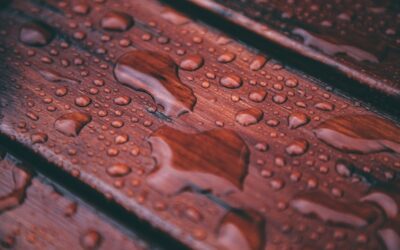
Not sure whether your deck needs sealing? Sprinkle a small cup of water on several boards, including sunny and shaded areas and the main traffic path. If the water beads up, the existing sealer is still working. If it soaks in and darkens the wood within a few minutes, it is time to reseal.
Run the same test on new pressure-treated lumber. Fresh treated wood is often too wet to accept a sealer. If water beads on brand-new boards, wait several weeks or a few months until it absorbs, then seal. Kiln-dried after treatment lumber can often be sealed sooner; check the tag.
Application Tips at a Glance
- Apply in the shade or on an overcast day, with air and surface temperatures within the label range and no rain forecast for 24 to 48 hours.
- Use a pump sprayer, pad applicator, or stain brush; back-brush to work product into the grain.
- Apply thin, even coats and wipe up puddles. Excess sealer that cannot soak in turns sticky or peels.
- Seal end grain and board ends generously, since they absorb the most water.
- Do two or three boards at a time along their full length to avoid lap marks.
Chemical and Fire Safety
Deck cleaners, brighteners, strippers, and sealers can irritate skin, eyes, and lungs. Wear chemical-resistant gloves, safety goggles, and long sleeves. Work outdoors with good airflow, and use a respirator with organic vapor cartridges when spraying solvent-based products. Follow each product’s label for dilution, dwell time, and rinsing. Never mix chemicals, especially bleach-based cleaners with acid brighteners or ammonia products, which can release dangerous gases. Protect nearby plants by wetting them before and rinsing them after.
Oil-soaked rags, pads, and brushes can heat up as the oil cures and ignite on their own, even hours later. Never bunch them in a pile or toss them in a trash can. Lay rags flat outdoors to dry fully, away from buildings, or store them in a sealed metal can filled with water until you can dispose of them according to local rules.
Troubleshooting
Sealer is sticky days later
Too much product or cool, humid weather. Wipe off excess with a rag dampened in the recommended solvent and avoid heavy coats.
Finish is peeling
Usually a film-forming product applied too thickly or over incompatible old finish. Strip, clean, brighten, and switch to a penetrating product.
Black spots appear
That is mildew. Clean with an oxygen bleach deck cleaner and consider a water-based sealer with a mildewcide.
Blotchy color
Uneven absorption on weathered or mixed-age wood. Brighten thoroughly and choose a lightly toned product to even out color.
Cost Ranges
Sealer is typically sold by the gallon, with one gallon covering roughly 150 to 300 square feet per coat depending on wood porosity; weathered wood absorbs more. Premium oils and hybrids cost more per gallon than basic clear water repellents. Add cleaner, brightener, applicators, and possibly a stripper. Professional deck cleaning and sealing is usually priced per square foot, and it rises with stripping, repairs, railings, and stairs.
When to Call a Pro
Call a deck contractor if boards are soft or spongy, the ledger board where the deck attaches to the house shows rot, posts move, or railings wobble. Those are structural concerns that sealer cannot fix. A pro is also worth it for large multi-level decks, heavily peeled solid stain that requires stripping, or elevated decks where working safely is difficult.
Frequently Asked Questions
How often should I apply a wood deck sealer?
Clear sealers usually need yearly reapplication, while toned sealers often last one to two years. Use the water-bead test to decide.
What is the best deck sealer for old decks?
A penetrating oil-based or hybrid toned sealer, applied after cleaning, brightening, and light sanding, usually gives the most even result on weathered wood.
Is a clear deck sealer enough protection?
It repels water well but offers little UV protection, so wood may still gray in strong sun. Choose a toned sealer for longer-lasting color.
Can I put water-based sealer over oil-based?
Often not without stripping first. Check both labels, and when in doubt, remove the old finish for proper adhesion.
How long should new pressure-treated wood dry before sealing?
Wait until water soaks in rather than beading, which can take several weeks to a few months depending on the lumber and climate.