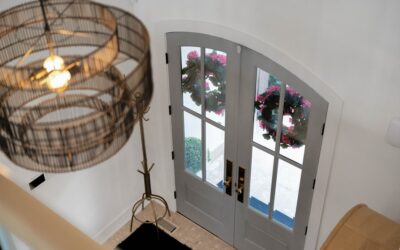
A wood door threshold is the strip of material that runs along the floor beneath a door, bridging the gap between two surfaces and sealing the bottom of the opening against drafts, water, and pests. Whether you are replacing a worn entry sill or adding a clean transition between two rooms, choosing the right threshold makes a real difference in comfort, energy efficiency, and the finished look of your doorway.
Part of our Windows & Doors guide — explore the full guide →
Wood remains a favorite because it is warm, easy to shape with common tools, and simple to stain or paint to match existing trim. Below you will find everything you need to understand the parts, pick the correct style, measure accurately, and install one yourself.
What a Door Threshold Actually Does
The threshold is the lowest horizontal member of a door frame. On an exterior door it works with the door sweep and weatherstripping to block air and moisture; on an interior door it usually serves as a neat transition between flooring materials, such as hardwood meeting tile or carpet meeting laminate.
A well-fitted threshold does several jobs at once. It keeps conditioned air inside, prevents rain from creeping under the door, protects the edges of two floor coverings from chipping, and gives your foot a smooth surface to cross. When it is cracked, cupped, or rotted, you will often feel a draft, see daylight under the door, or notice water stains on the floor just inside.
Types of Wood Thresholds
Not every threshold is built the same way. The style you need depends on whether the door is interior or exterior and what flooring sits on either side.
- Saddle threshold: A simple raised strip, often slightly domed, used between two interior rooms with floors of similar height.
- Beveled or reducer threshold: Tapers down on one side to ease the step between a thicker floor and a thinner one, such as hardwood to vinyl.
- Exterior sill threshold: A wider, heavier profile designed to seat under an entry door, frequently paired with a weatherstrip insert and sometimes a metal or composite cap for durability.
- Carpet-edge threshold: Grips and tucks the cut edge of carpet where it meets a hard surface.
Common species include oak, which is hard and takes stain beautifully; maple, which is dense and pale; and poplar or pine for paint-grade interior work where cost matters more than grain.
Choosing the Right Wood and Profile
For an exterior application, hardness and rot resistance matter most. White oak handles moisture better than red oak, and many homeowners pair a wood threshold with a protective insert to extend its life in a high-traffic doorway. For interior transitions, match the species and finish to your existing floor so the threshold reads as part of the room rather than an afterthought.
Profile height is the other big decision. Measure the thickness of the flooring on each side. If one floor sits noticeably higher, a reducer profile prevents a trip hazard and a hard edge. A flush or low-profile saddle works when both floors land at nearly the same level.
How to Measure Before You Buy
Accurate measurement saves you a return trip and a botched cut. Take your time here.
- Measure the width of the door opening from jamb to jamb at the floor, then add a small allowance only if the threshold is meant to tuck into the jambs.
- Note the thickness of the flooring on each side so you can pick a flat saddle or a tapered reducer.
- Check whether the existing subfloor is level with a short straightedge; a bowed floor changes how the threshold seats.
- For exterior doors, confirm the gap between the bottom of the door and the threshold so the sweep will seal without dragging.
Write the numbers down rather than trusting memory, and bring a sample of your flooring when matching stain at the store.
Installing a Wood Door Threshold Step by Step
Most homeowners can fit a basic threshold in under an hour with hand tools. Work slowly, dry-fit often, and cut a little long so you can trim to a perfect fit.
- Remove the old threshold if there is one. Interior saddles often pry up with a flat bar; exterior sills may be screwed or set in caulk and adhesive.
- Clean the subfloor of debris, old adhesive, and stray fasteners so the new piece sits flat.
- Measure and mark the threshold, then cut it to length with a miter saw or a fine-tooth handsaw. Notch the ends to wrap around the door stops if needed.
- Dry-fit the piece. It should sit snug without rocking. Sand or shim until it seats evenly.
- For interior work, run a bead of construction adhesive and fasten with finish nails countersunk below the surface. For exterior work, bed the threshold in a continuous bead of exterior-grade sealant and secure with corrosion-resistant screws.
- Fill nail holes, wipe excess sealant, and let everything cure before heavy traffic.
Test the door afterward. It should swing freely and, on an exterior door, the sweep should just kiss the threshold to seal out drafts.
Finishing and Sealing for a Long Life
Bare wood at a doorway absorbs foot traffic, spills, and sunlight, so a durable finish is essential. Sand the threshold smooth, apply stain if you want color, and then seal it with a tough clear coat such as polyurethane. Use an exterior-rated finish on entry thresholds and plan to refresh the topcoat every couple of years where wear is heaviest.
For exterior wood, keep the finish intact on all sides, including the underside and end grain, because that is where moisture sneaks in. A small effort up front prevents the cupping and rot that ruin an otherwise solid threshold.
Maintenance and When to Replace
Routine care is light. Wipe the surface, knock grit out of the corners, and inspect entry thresholds each season for soft spots, splits, or peeling finish. Reseal as soon as the topcoat dulls rather than waiting for water damage to appear.
Replace a threshold when you see persistent drafts, daylight under a closed door, soft or spongy wood, or cracks that no longer hold a finish. A worn exterior sill in particular is worth swapping promptly, since it is your first line of defense against water at the doorway.
Final Thoughts
A good wood door threshold is a small detail that punches above its weight. It seals out weather, smooths the path between rooms, and gives your doorway a finished, intentional look. By measuring carefully, matching the profile to your floors, and sealing the wood properly, you can install one that performs and looks great for years. If your doorway involves structural questions, heavy water exposure, or a tricky out-of-level floor, consider bringing in a licensed carpenter to get the fit exactly right.