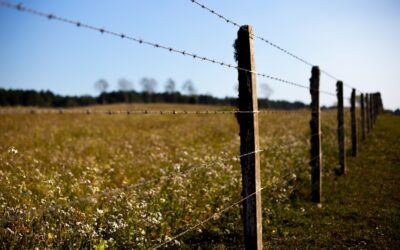
A good wood farm fence does more than mark where your land ends; it keeps livestock safely contained, defines pastures, and gives a rural property that timeless, well-kept look no wire fence can match. But farm fencing is a serious commitment of material and labor, and the difference between a fence that stands straight for 30 years and one that sags and rots in five comes down to a handful of decisions made before the first post goes in the ground. Choosing the right style for your animals, the right wood for your climate, and the right post-setting method is what separates a lasting fence from an expensive redo. Here is how to plan and build one properly.
Part of our Decks & Outdoor guide — explore the full guide →
Match the Fence Style to Your Animals
The animals you are containing dictate the fence design more than anything else. A fence that safely holds cattle may not stop a determined goat, and horses need a design that will not injure them.
- Horses: Need a tall, highly visible fence with no gaps that could trap a leg or head. Three or four-rail post-and-rail or wide board fences at 54 to 60 inches tall are standard, often with the boards on the inside of the posts so animals cannot push them off.
- Cattle: Strong and heavy, cattle need a sturdy fence they respect. Three-rail or board fences work, and many operations add a strand of electric or wire to reinforce it.
- Goats and sheep: The escape artists. Wood rails alone leave gaps they slip through, so a wood-framed fence backed with welded or woven wire mesh is usually necessary.
- Boundary and mixed use: A simpler two or three-rail fence marks lines and contains larger animals while looking clean.
Decide who lives behind the fence first, then choose the style. Building a beautiful three-rail fence only to watch your goats stroll through the gaps is a costly lesson.
Common Wood Farm Fence Styles
Farm fences come in a few proven configurations, each with its strengths.
Post-and-rail uses squared posts with rails set into mortise slots or nailed on, giving a clean, classic pasture look. It is strong, attractive, and the standard for horse properties. Board fence, sometimes called plank or four-board fence, nails wide boards horizontally across the posts, the iconic Kentucky horse-farm look, offering excellent visibility and strength. Split-rail is the rustic, economical choice for boundaries and larger livestock, with rails slotted into holes in the posts. And wire-backed wood fence combines wood posts and top rail with welded or woven wire mesh below, the go-to for small livestock and predator control.
Choosing the Right Wood
The wood determines how long your fence lasts, and the posts, buried in soil, take the worst of it. Choose species based on rot resistance and your budget.
- Cedar: Naturally rot and insect resistant, lightweight, and long-lasting, though pricier. A favorite for both posts and rails.
- Locust (black locust): Among the most rot-resistant woods available, prized for posts that can last 25 years or more in the ground.
- Pressure-treated pine: The budget standard. Use ground-contact-rated posts for burial, and it resists rot and insects well at a lower cost.
- Oak: Strong and common for boards and rails, but less rot-resistant in ground contact, so it is better above ground than as buried posts.
A common, cost-smart strategy is pressure-treated or locust posts for underground durability paired with cedar or oak boards and rails above ground. Spend your money on the posts, since replacing a rotted post means rebuilding a whole section.
Setting Posts That Last
Posts are the foundation, and how you set them decides whether the fence stays straight through decades of animals leaning on it and frost heaving the soil. Set corner and gate posts first and set them deep and solid, since the entire fence line references and pulls against them.
Dig post holes about one-third the post’s above-ground height deep, typically 30 to 42 inches for a farm fence, and always below the frost line in cold climates so winter heaving does not push posts up. For setting, you have two good methods:
- Tamped gravel and soil: Add gravel at the base for drainage, then tamp soil in firm layers. This drains water away from the post and eases future replacement, and many fencers prefer it for line posts.
- Concrete: Best for corner, gate, and brace posts that take heavy strain. Crown the concrete top so water sheds away instead of pooling against the wood.
Brace your corners properly with an H-brace or diagonal brace assembly, because corners bear the tension of the whole run and a poorly braced corner will lean and drag the fence with it.
Spacing and Layout
Plan post spacing before you buy. Line posts typically sit 8 feet apart for board and rail fences, closer for wire-backed fences that need more support. Run a string line between corners to keep the fence dead straight, and lay out gates where you actually need to move animals and equipment, sizing them wide enough for a tractor if needed, often 12 to 16 feet for equipment gates.
Walk the whole line first and note where the ground rises and dips, since a fence must follow the terrain while keeping rails level enough to look right and contain animals. Plan for the total length and buy extra posts, rails, and fasteners, since damaged pieces and mistakes are inevitable on a long run.
What It Costs
Wood farm fencing costs vary by style and wood, but plan for a real investment given the linear footage farms require. Expect $10 to $30 per linear foot installed for post-and-rail and board fences, and $5 to $15 per foot in materials for a DIY split-rail or simple three-rail fence. Wire-backed fences add the cost of the mesh. For a large pasture, the numbers add up fast: fencing a single 5-acre square pasture runs roughly 1,900 feet of fence, so a $15-per-foot board fence approaches $28,000 installed. This is exactly why so many farm owners do the labor themselves and why post and wood selection, which determine longevity, matter so much.
Maintenance and Longevity
A wood farm fence rewards regular attention. Apply a water-repellent sealer or a fence stain every two to three years to slow rot and UV graying, focusing on the rails and boards; many owners let cedar and locust weather naturally to gray. Walk the fence each season and check for loose boards, cracked rails, leaning posts, and rot at the ground line, which is where posts fail first. Tighten or replace fasteners as needed, since animals leaning and rubbing loosen nails and screws over time.
A well-built farm fence from rot-resistant posts routinely lasts 20 to 30 years, and because rails and boards sit above ground, they often outlast the posts. When a post finally rots at the soil line, you can usually replace just that post and reuse the sound rails around it.
Bracing Corners and Gates
The corners and gate posts are where a farm fence lives or dies, because they bear the tension of every rail and strand pulling on them. A single post set in concrete is not enough on a long run; corners need a brace assembly. The classic solution is the H-brace: two posts connected by a horizontal rail near the top, with a diagonal wire or brace running between them to resist the pull. This spreads the load and keeps the corner from leaning inward over the years as animals lean and the fence tension works against it.
Gate posts take an even harder beating, since a heavy wooden or metal gate hangs off them and swings repeatedly. Set gate posts deeper and in concrete, and brace them the same way you would a corner. A gate that sags after a season almost always traces back to an under-set or unbraced gate post, so overbuild these from the start rather than fixing them later.
Adding Electric or Wire Reinforcement
Many farm operations combine wood with a strand or two of wire to reinforce containment without sacrificing the wood-fence look. A single strand of electric wire run on insulators along the inside of a board or rail fence teaches cattle and horses to keep off the boards, which dramatically reduces the leaning and rubbing that loosens fasteners and cracks rails. For predator control or small stock, woven-wire mesh attached to the inside of the posts closes the gaps between rails. This hybrid approach gets you the durability and appearance of wood with the reliable containment of wire, and it is standard practice on working farms.
Final Thoughts
A wood farm fence is a major project, but done right it is one of the best investments a rural property can make, containing livestock safely and framing the land for a generation. Choose the style to fit your animals, put your budget into rot-resistant posts set deep and well-braced, and keep the wood sealed if you want to hold its color. Plan the layout along a string line, brace your corners like your fence depends on it, because it does, and stay on top of seasonal maintenance. Do that and you will have a fence that keeps your animals home and your property looking sharp for decades.