Choosing a floor is not only about species and color; wood flooring dimensions shape how a room looks, how the floor installs, and how long it lasts. The thickness determines how many times you can refinish it, the width sets the visual scale of the room, and the length affects how busy the floor reads. Get these numbers right and a small room feels larger and a finish lasts decades; get them wrong and you can end up with a floor that looks cramped or wears out before its time. Here is a clear breakdown of the measurements that matter.
- Thickness: Solid vs. Engineered
- Width: From Strip to Wide Plank
- Length: How Busy the Floor Looks
- Nominal vs. Actual Dimensions
- How Dimensions Affect Installation and Cost
- Choosing the Right Dimensions for Your Room
- How Dimensions Interact With Each Other
- Common Dimension Mistakes to Avoid
- The Bottom Line
Thickness: Solid vs. Engineered
Thickness is the dimension most tied to durability and longevity. Solid hardwood comes in one standard thickness, 3/4 inch, which gives it enough material to be sanded and refinished many times over its life, often 8 to 10 times across many decades. That single thickness is part of why solid wood is so long-lived.
Engineered wood is different. It ranges from about 3/8 inch to 3/4 inch overall, but the number that really matters is the wear layer, the real-wood veneer on top. A thick wear layer of 4 to 6 millimeters can be sanded a couple of times; a thin 2-millimeter layer usually cannot be refinished at all. So with engineered floors, do not judge by total thickness alone, ask specifically about the wear layer.
Width: From Strip to Wide Plank
Width has the biggest impact on the look of a floor, and the industry groups boards into recognizable categories:
- Strip flooring: under 3 inches wide, classically 2 1/4 inches. Traditional, busy, and great for small or formal rooms.
- Plank flooring: 3 to 5 inches wide. The versatile middle ground that suits most homes.
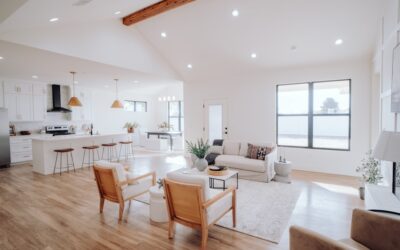
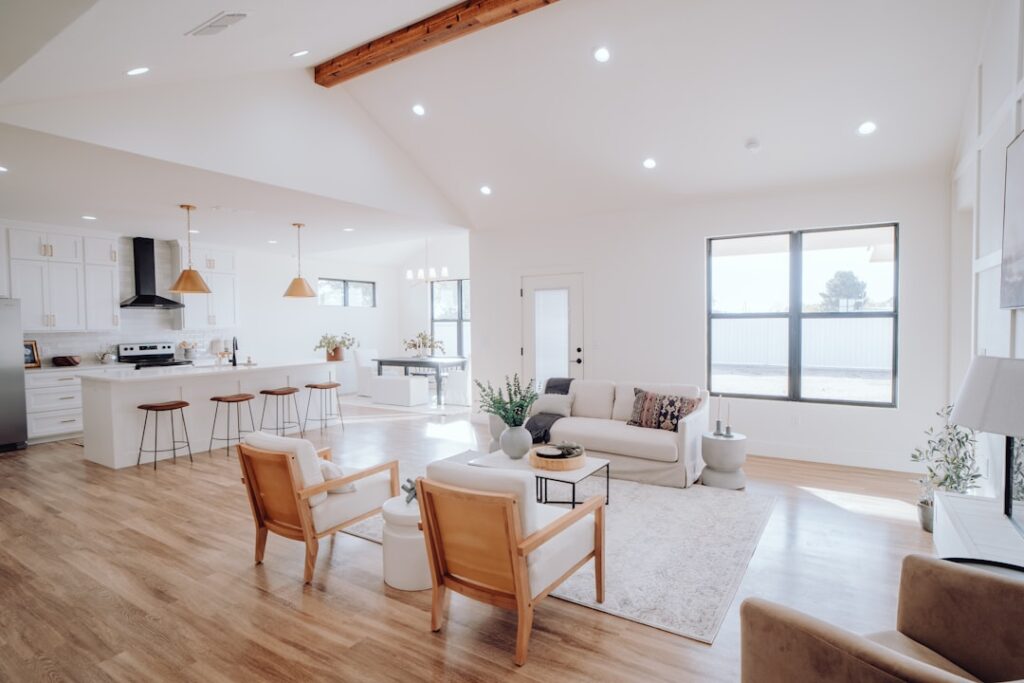
- Wide plank: 5 to 7 inches and up. Modern, open, and increasingly popular; makes rooms feel larger with fewer seams.
- Extra-wide plank: 8 inches and beyond, often 10 inches or more. Dramatic and contemporary, almost always engineered for stability.
Wider boards expand and contract more across their face, which is why very wide planks are usually engineered, and why solid wide planks demand careful acclimation and humidity control to avoid gapping and cupping.
Length: How Busy the Floor Looks
Length gets overlooked, but it changes the feel of a floor significantly. Longer boards mean fewer end joints, a cleaner, more continuous appearance, and a sense of spaciousness, while shorter boards create more seams and a busier, more traditional pattern. Most flooring ships in random lengths within a range, often 12 to 84 inches, so a box contains a mix that staggers naturally during installation. Premium long-board products with fewer short pieces cost more but deliver that high-end, seamless look. If a quiet, expansive floor is your goal, ask about the average and maximum board lengths, not just the width.
Nominal vs. Actual Dimensions
This is where buyers get tripped up. Like dimensional lumber, wood flooring is often described by its nominal size, the name on the box, which can differ from the actual measured size of the milled board. A “5-inch” plank, for example, is typically the face width after milling the tongue and groove, and the visible surface may measure slightly less. The difference matters for two reasons: ordering enough material and predicting how the floor will look. Always check the actual face width and the coverage per box, and account for the tongue that disappears into the joint when you estimate square footage.
How Dimensions Affect Installation and Cost
The numbers you choose ripple into the install. Thicker solid 3/4-inch flooring needs nail-down installation over a wood subfloor, while thinner engineered boards open up glue-down and floating options, including over concrete and radiant heat. Wider planks require a flatter subfloor and more careful acclimation because any movement is amplified across the board face. Cost climbs with thickness, width, and length: wide, long, thick-veneer boards command a premium over narrow strips. Keep these realities in mind:
- Buy 5 to 10 percent extra for cuts, waste, and future repairs.
- Acclimate the wood in the room for the time the manufacturer specifies, longer for wide planks.
- Flatten the subfloor more carefully as plank width increases.
Choosing the Right Dimensions for Your Room
Match the dimensions to the space and the use. In small or busy rooms, narrow strips or moderate planks keep the scale comfortable, while large open-plan areas come alive with wide, long planks that minimize seams. If refinishing longevity is your priority, lean toward solid 3/4-inch or engineered boards with a thick 4-millimeter-plus wear layer. If you are installing over concrete or radiant heat, thinner engineered widths are your friend.
How Dimensions Interact With Each Other
The three measurements are not independent choices; they work together, and getting the balance right is what makes a floor look intentional. Wide planks generally look best when paired with longer lengths, because short wide boards can look chunky and disjointed, while long wide planks read as elegant and seamless. Thickness ties into width as well: very wide solid boards need to be thick and well-acclimated to resist cupping, which is why extra-wide flooring is almost always engineered. There is also a proportional relationship with the room itself, a good rule of thumb is that wider, longer planks suit larger rooms, while narrower boards keep small rooms from feeling chopped up by oversized planks that only span a few rows.
Common Dimension Mistakes to Avoid
A few predictable errors trip up buyers, and each is easy to sidestep once you know it:
- Buying too little material by calculating from nominal rather than actual coverage and forgetting waste; always add 5 to 10 percent.
- Choosing wide planks for a wavy subfloor, which amplifies every dip into visible gaps and cupping.
- Ignoring wear-layer thickness on engineered floors and assuming total thickness means refinish-ability.
- Skipping acclimation, especially with wide boards that move the most with humidity.
- Forgetting transition height, so a thick floor meets adjoining rooms with an awkward step or binding doors.
Each of these comes down to treating dimensions as design and installation decisions rather than just a line on an order form.
The Bottom Line
Wood flooring dimensions are not just specs on a box; they are design and durability decisions. Thickness governs how long you can keep refinishing the floor, width sets the room’s visual scale, and length controls how calm or busy it reads. Always confirm the wear-layer thickness on engineered products, check actual versus nominal face width before ordering, and choose dimensions that fit both your room’s size and your tolerance for upkeep. Nail those numbers and the floor will look intentional and last exactly as long as you expect.
Prefer to explore on your own?
See how new flooring looks in your actual room in seconds — free, no signup.
Try the free Floor Studio →