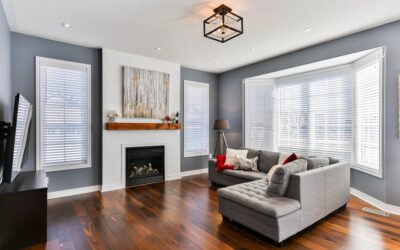
San Francisco’s housing stock is a flooring contractor’s dream and challenge at once, full of Victorian and Edwardian homes with original old-growth Douglas fir beneath decades of carpet. Choosing wood flooring San Francisco homeowners can rely on means reckoning with the city’s cool, foggy, humid microclimate, century-old subfloors, and some of the highest labor costs in the country. The reward is worth it: hardwood adds warmth, value, and timeless character to homes that often command premium prices. This guide covers the species that perform here, what installation really costs, and how to navigate restoring versus replacing original floors.
- The Bay Area Climate and Your Floor
- Solid vs. Engineered Hardwood
- Popular Wood Species for the City
- What Hardwood Flooring Costs in San Francisco
- Restoring Original Floors
- Hiring a Qualified Contractor
- Finishes and Stain Choices
- Acclimation and Why It Can’t Be Rushed
- Maintaining Hardwood in a Humid Climate
- Making the Right Call for Your Home
The Bay Area Climate and Your Floor
San Francisco’s marine climate is mild but persistently humid, with fog and coastal moisture keeping indoor humidity higher than in inland California. That steady dampness, rather than dramatic temperature swings, is what affects wood floors here. The good news is that the city’s mild temperatures mean less seasonal expansion and contraction than in places with harsh winters. The catch is that prolonged humidity can encourage cupping in solid wood if a floor isn’t properly acclimated and the subfloor isn’t dry, so moisture testing is non-negotiable.
Solid vs. Engineered Hardwood
Both have a place in San Francisco homes. Solid hardwood, three-quarters of an inch thick, can be sanded and refinished many times over its life, which makes it ideal for restoring or matching original floors in older homes. Engineered hardwood, built from a real-wood veneer over a plywood core, resists humidity-driven movement better and installs well over concrete or in lower units. For ground-floor flats and garden units where moisture is a bigger concern, engineered is often the smarter choice; for classic upper-floor Victorians, solid wood preserves authenticity.
Popular Wood Species for the City
A few species dominate local installs and restorations:
- Douglas fir — the original old-growth flooring in countless SF Victorians; softer than oak but rich with history and often worth restoring.
- White and red oak — the durable, versatile standard for new installs, taking stain beautifully.
- Maple — hard and light-toned for a clean, modern look.
- Walnut — a darker, premium hardwood for a luxurious feel.
If your home has original fir, refinishing it usually beats ripping it out, both for cost and for the character no new floor can replicate.
What Hardwood Flooring Costs in San Francisco
Be ready for Bay Area pricing, which sits among the nation’s highest. Typical installed costs run:
- Engineered hardwood: $10 to $18 per square foot installed.
- Solid hardwood: $12 to $25 per square foot installed.
- Refinishing existing floors: $4 to $9 per square foot.
- Premium species like walnut: $20 to $30+ per square foot installed.
Labor in the city commands a premium, and old homes with uneven, squeaky subfloors often need repair or leveling first, which adds to the bill. Refinishing original floors is frequently the best value if the wood is sound.
Restoring Original Floors
One of the joys of an older San Francisco home is the hardwood hiding under the carpet. Before replacing, have a pro assess whether the original floor can be saved. Old-growth Douglas fir and oak can often be sanded and refinished even after a century, emerging stunning. The limit is thickness: each refinishing removes a thin layer, so floors that have already been sanded several times may not survive another pass. A good contractor will measure remaining wear depth before committing.
Hiring a Qualified Contractor
The contractor makes or breaks the project. In California, verify the installer holds an active C-15 flooring contractor’s license through the Contractors State License Board, and confirm liability insurance and workers’ comp. Old SF homes demand experience; ask specifically about work on Victorian or Edwardian subfloors, moisture testing, and matching repairs to original wood. Collect at least three itemized bids and be cautious of any quote that glosses over subfloor prep, since that’s where surprises hide in century-old houses.
Finishes and Stain Choices
The finish you choose shapes both the look and the durability of a San Francisco hardwood floor. Site-finished floors, sanded and coated in place, let you control the exact stain color and sheen and produce a seamless surface with no micro-bevels between boards, but they require the home to be vacated during the multi-day finishing and curing process. Prefinished floors arrive with a factory-applied, often aluminum-oxide finish that’s extremely tough and ready to walk on immediately, at the cost of slightly visible seams between planks. For stain color, the trend in the Bay Area has leaned toward natural and lighter tones that brighten the often-foggy interior light, though rich walnut and classic medium-brown oak remain perennially popular for traditional homes.
Acclimation and Why It Can’t Be Rushed
In a humid coastal climate, proper acclimation is the step that separates a flat, lasting floor from one that cups or gaps within a year. Wood needs to sit in the room where it will be installed, in its boxes or stacked with spacers, for several days to a couple of weeks so it can adjust to the home’s ambient moisture and temperature. A reputable installer uses a moisture meter to confirm the wood and the subfloor are within an acceptable range of each other before laying a single board. Rushing this step, common when a contractor is juggling jobs, is a leading cause of failed installs in San Francisco, so don’t let anyone skip it to save a few days.
Maintaining Hardwood in a Humid Climate
Keeping a wood floor beautiful in the Bay Area takes a light, consistent routine. Sweep or dust-mop regularly to keep grit from scratching the finish, and clean with a barely-damp microfiber mop and a cleaner made for hardwood, never a soaking-wet mop or vinegar, which can dull and damage the finish over time. Use felt pads under furniture, area rugs in high-traffic paths, and keep indoor humidity moderate to minimize seasonal movement. Plan to recoat a site-finished floor with a fresh top layer every several years before the finish wears through to bare wood, which is far cheaper than a full sand-and-refinish.
Making the Right Call for Your Home
The best wood flooring San Francisco can offer depends on your home’s age and your floor’s history. If you’re lucky enough to have original fir or oak in good shape, refinishing it usually delivers the most beauty and value for the money. For new installs in moisture-prone lower units, engineered hardwood in oak is a stable, handsome default. Whatever you choose, insist on moisture testing, a licensed C-15 contractor, and a written, itemized bid. Done right, a hardwood floor will anchor your home’s character and its resale value for generations.
Prefer to explore on your own?
See how new flooring looks in your actual room in seconds — free, no signup.
Try the free Floor Studio →