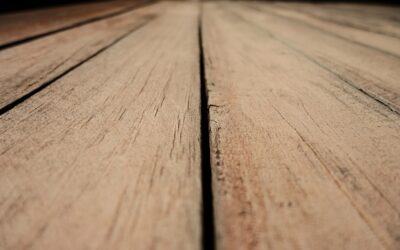
The decision between a traditional wood deck and a modern composite system shapes the next 25 years of weekend maintenance and total ownership cost. The marketing materials from Trex and AZEK make composite sound bulletproof. The lumber yard regulars insist real wood is always better. Both views miss critical tradeoffs. A clear-eyed look at wood vs composite deck performance across cost, lifespan, maintenance, and aesthetics shows that the right answer depends on your climate, budget timeline, and tolerance for upkeep.
Part of our Decks & Outdoor guide — explore the full guide →
Upfront Material Cost Comparison
Pressure-treated pine, the most common wood deck material, costs roughly 40 percent less than entry-level composite at the lumber yard. Cedar and tropical hardwoods like ipe close that gap or exceed composite pricing. Here are typical 2026 prices per linear foot for 5/4-inch by 6-inch deck boards:
- Pressure-treated pine: $1.50-$2.80 per linear foot
- Cedar (western red): $3.50-$5.80 per linear foot
- Redwood (construction grade): $4.20-$7.50 per linear foot
- Ipe / tropical hardwood: $7.00-$12.00 per linear foot
- Trex Enhance Basics: $3.50-$5.20 per linear foot
- Trex Transcend / TimberTech AZEK: $5.50-$9.00 per linear foot
- Cap-stock premium composite: $7.50-$12.00 per linear foot
A 400-square-foot deck in pressure-treated lumber materials costs roughly $1,400-$2,800. The same deck in mid-grade Trex Enhance runs $3,200-$5,000. Premium AZEK PaintPro pushes $5,500-$9,000.
Installed Cost on a Typical Deck
Labor costs roughly the same regardless of decking material, though composite installs slightly faster because boards are uniformly straight without sorting. For a 400-square-foot deck with railing, expect installed pricing in these ranges:
- Pressure-treated pine: $6,000-$10,000
- Cedar: $10,000-$15,000
- Trex Enhance: $11,000-$17,000
- Trex Transcend / TimberTech AZEK: $16,000-$24,000
- Ipe hardwood: $18,000-$28,000
Deck framing typically runs pressure-treated lumber regardless of which decking material sits on top, so framing costs stay consistent across choices.
Lifespan in Real-World Conditions
Manufacturer warranties tell one story; actual lifespan tells another. Pressure-treated pine with consistent annual maintenance can last 20-25 years before structural decay. Without maintenance, it begins failing at 8-12 years. Cedar without maintenance lasts 15-20 years through natural rot resistance.
Composite lifespan claims range from 25 to 50 years depending on brand and product line. Trex offers a 25-year fade and stain warranty on most products. AZEK PaintPro carries a 30-year warranty. Real-world performance has matched these claims for first-generation composite decks (installed 1995-2000) that are still in use, though they have faded and dulled visually.
Maintenance Reality
Composite marketing emphasizes zero maintenance, which is not quite accurate. Both materials require attention, just different kinds.
Wood deck annual maintenance:
- Pressure wash and inspect: 2-3 hours
- Sand any splintered boards: 1-2 hours
- Apply stain or sealer (every 2-3 years): 4-8 hours plus $80-$180 in materials
- Replace cracked or rotted boards: as needed
Composite deck annual maintenance:
- Pressure wash gently or scrub with soap and water: 1-2 hours
- Inspect for stains from grease or tannins: 30 minutes
- Tighten any loose hidden fasteners: 30 minutes
- No staining, sealing, or sanding required
Over a 25-year ownership period, a wood deck typically costs $1,500-$3,000 in maintenance materials versus $200-$400 for composite, plus dramatically more time investment.
Climate Performance
The right choice often depends on regional weather. Wood expands and contracts more with humidity, leading to gapping and warping in dry climates. Composite expands more with heat, leading to fastener stress and end-gap issues in hot climates.
Performance by region:
- Hot Southwest (Phoenix, Las Vegas): Both materials struggle; composite gets uncomfortably hot underfoot, wood dries and cracks
- Humid Southeast (Atlanta, Houston): Composite excels; wood rots quickly without consistent maintenance
- Pacific Northwest: Cedar and pressure-treated do well with proper drainage; composite resists moss
- Northeast (Boston, NYC): Freeze-thaw cycles favor composite; wood requires diligent sealing
- Mountain West: Wood with proper UV-resistant stain performs well in dry conditions
For homeowners in the humid South, composite is almost always the right call. In dry mountain or desert climates, the choice gets more nuanced.
Appearance and Design Flexibility
Real wood has natural grain variation, warm color depth, and ages with a silvery patina that many homeowners find appealing. Even premium composites struggle to perfectly replicate the look of genuine wood, though the latest cap-stock products from AZEK and Trex come remarkably close.
Composite advantages in appearance include:
- Uniform color from board to board
- No knots, cups, or warping
- Available in colors that wood cannot achieve (gray, espresso, weathered driftwood)
- Hidden fasteners produce cleaner sightlines
- Coordinated railing and trim systems
Wood advantages in appearance:
- Genuine natural texture and grain
- Acceptance of custom stain colors and finishes
- Authentic patina over time
- Available in wider widths (up to 12 inches) and longer lengths
Personal preference matters here. Some homeowners cannot bring themselves to install plastic-based decking; others cannot stand the maintenance burden of natural wood.
Safety and Slip Resistance
Both materials are reasonably safe when properly installed and maintained. Composite boards typically have a slight texture that provides decent traction even when wet. Wood naturally provides good grip but can grow algae or moss in shaded, damp areas, creating slip hazards.
Heat is the bigger safety differentiator. Dark composite boards can reach 145 degrees Fahrenheit in direct summer sun, hot enough to burn bare feet. Lighter-colored composites (gray, beige) and light-stained wood stay 15-25 degrees cooler. Plan board color carefully in hot climates.
Resale and Property Value Impact
Both wood and composite decks add resale value, but composite typically delivers a higher percentage return because buyers know the low-maintenance future. A new pressure-treated deck recoups roughly 65 percent of cost at sale. Composite recoups 70-78 percent in most markets.
That said, both options pale next to the lifestyle benefit. Homeowners who actually use their deck several times per week generally find either material delivers value beyond the financial calculation.
Making the Final Decision
The simple decision framework for wood vs composite deck selection comes down to three questions. First, how long do you plan to stay in the home? Composite makes more financial sense for 10-plus years of ownership; pressure-treated works for shorter timelines. Second, how do you feel about annual maintenance? If staining a deck every two years sounds tolerable, wood saves significant upfront money. If you would rather grill on a weekend than refinish boards, composite is worth the premium. Third, what climate do you live in? Humid and freeze-thaw regions strongly favor composite. Dry, mild regions accept either material gracefully. Pick the answer that matches your specific situation rather than the marketing pitch from either side.