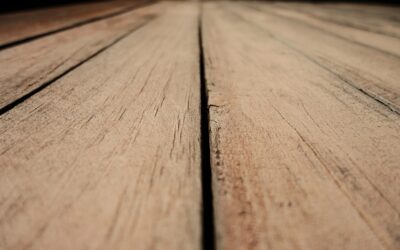
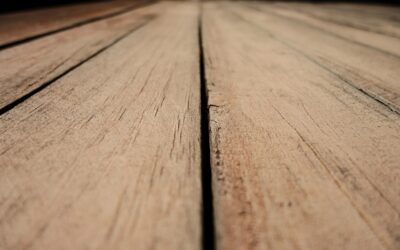
About 70% of new residential decks in the US Sunbelt now use composite or PVC boards instead of pressure-treated lumber, a complete reversal from where the market sat 15 years ago. WPC outdoor flooring sits at the heart of that shift — wood-plastic composite boards that hold a wood look without the splinters, rot, or annual sealing. This guide unpacks what WPC actually is, how it compares to capped composite and pure PVC, and the install details that separate a 30-year deck from a five-year warranty fight.
Part of our Windows & Doors guide — explore the full guide →
What WPC Outdoor Flooring Actually Is
WPC stands for wood-plastic composite. The core is a mix of recycled wood fiber (typically 50% to 60%) bonded with a plastic binder (HDPE or polypropylene) and additives for UV resistance and color. First-generation uncapped WPC boards still appear at the cheapest end of the market, but the dominant product today is “capped” WPC — a hard polymer shell molded over the WPC core for stain, fade, and scratch resistance.
The brands you will see in 2026 include Trex Enhance, TimberTech AZEK, Fiberon Sanctuary, Deckorators, and a growing number of imports from Vietnam and China. Pricing varies dramatically by capping technology and warranty length, not just by board dimensions.
Once your patio flooring is in place, think about how you’ll use the space. A gazebo adds shade and structure, while a good outdoor furniture set turns it into a spot you’ll actually want to hang out in. A deck box is also worth considering if you need somewhere to stash cushions and outdoor gear.
We may earn a commission when you purchase through our links.
The Pros That Drive WPC Sales
Maintenance is the headline. A WPC deck washed twice a year with a mild deck cleaner stays looking presentable for 20 years or more. Pressure-treated wood needs power washing, sanding, and resealing every two to three years to hold the same look — that is roughly $400 to $800 per visit on a 400 sq ft deck.
- No sanding, sealing, or staining ever required across the lifespan
- Splinter-free — safer for bare feet, kids, and pets
- Insect resistance — termites, carpenter ants, and powderpost beetles cannot eat the plastic binder
- Color stability in capped boards — most brands warranty against fading more than 5 Delta-E units over 25 years
- Hidden fastener systems — grooved-edge boards install with clips for a clean fastener-free top surface
- Recycled content — most WPC contains 90%+ recycled wood and plastic, which earns LEED points
The Cons Worth Knowing
Heat is the headache for any plastic-bound decking, especially darker colors. A black-toned capped WPC board in direct Phoenix sun can hit 168°F surface temperature, hot enough to burn skin. If you want dark colors, plan a covered or shaded portion of the deck.
Mold and mildew still grow on the capping surface in damp climates. The plastic does not feed the mold but airborne pollen, leaves, and dust accumulate and create a food layer for it. Power washing once or twice a year solves this but homeowners who skip it end up with green slime in shaded areas.
WPC vs Capped Composite vs PVC
Three product categories compete in the same showroom and the price difference is real. Make sure you understand which you are buying.
- Uncapped WPC — first-generation, $3 to $4.50 per sq ft, fades and stains, becoming rare
- Capped WPC — wood core with polymer shell, $5 to $8 per sq ft, mainstream choice
- Capped composite (cellular core) — denser plastic core with capping, $7 to $10 per sq ft
- Pure PVC — no wood content, $9 to $14 per sq ft, lightest weight and best heat performance
Pricing in 2026
Material pricing depends on the capping generation and warranty tier. Installation labor adds another $5 to $12 per sq ft for a competent contractor on a standard rectangular deck.
- Trex Enhance Basics — $4.99 to $5.99 per sq ft material
- Trex Enhance Naturals — $5.99 to $7.49 per sq ft material
- TimberTech AZEK Vintage — $9.99 to $13.99 per sq ft material (PVC, technically not WPC)
- Fiberon Sanctuary — $5.99 to $7.49 per sq ft material
- Deckorators Voyage — $7.49 to $9.49 per sq ft material
- Imported budget WPC — $2.99 to $4.49 per sq ft material, warranty quality varies
Install Details That Save Money Long-Term
Joist spacing matters. Most WPC manufacturers require joists at 16 inches on center for residential perpendicular installs, and 12 inches on center for diagonal or 45-degree layouts. Skip this and you will get a soft, bouncy deck that voids the warranty.
Use the brand’s specified hidden fastener clips and stainless screws — composite boards expand and contract roughly 1/4 inch over a 16 ft length across temperature swings. Install with proper end gaps (1/8 inch per 20°F differential between install temp and expected summer high) or you will get end-bowing within a year.
Warranty Read-Through
Capped WPC warranties run 25 to 50 years for residential and 10 to 25 years commercial. Most brands cover structural failure and stain or fade beyond a published Delta-E threshold. The exclusions almost always include:
- Improper joist spacing or ventilation — most warranties require 1.5 inch ground clearance and air circulation under the deck
- Damage from acidic chemicals or pool chemistry not covered
- Direct contact with brick or stone hearths and BBQ grills not covered
- Original receipt required — most warranties transfer once with a fee
Color and Texture Options Today
Embossed grain has improved sharply since 2020. The latest Trex Transcend Lineage, TimberTech AZEK Vintage, and Fiberon Sanctuary lines use multi-tonal streaking that genuinely passes for stained ipe at 6 ft viewing distance. Expect to pay for the realism — premium grain boards run 20% to 35% above standard composite pricing.
Where WPC Wins and Where to Spend More
WPC outdoor flooring is the right call for residential decks under 600 sq ft in moderate climates. The capped boards perform well, install fast, and free up weekends from staining duty. For pool decks, rooftop installs with extreme heat exposure, or commercial projects with heavy traffic, step up to pure PVC like AZEK Vintage or Wolf PVC. The premium pays for itself in surface temperature and long-term color hold.
Prefer to explore on your own?
See how new flooring looks in your actual room in seconds — free, no signup.
Try the free Floor Studio →