Dingy grout can make a spotless tile floor look filthy no matter how hard you mop. That is exactly the problem Zep Miracle Grout Cleaner is built to solve, and it has earned a loyal following among homeowners who were ready to regrout before they tried it. This acid-based formula targets the ground-in grime, soap scum, and mineral haze that ordinary cleaners leave behind, often lifting years of buildup in a single application. Used correctly, it can restore dull, gray grout lines to something close to their original color. Used carelessly, it can etch stone and irritate skin, so knowing how to apply it matters as much as the product itself.
Part of our Tile & Grout guide — explore the full guide →
What Zep Miracle Grout Cleaner Is
Zep Miracle Grout Cleaner is a concentrated acidic cleaner formulated specifically for grout and grungy tile. Unlike a general-purpose spray, it uses an acid blend to dissolve the mineral deposits, hard-water film, and embedded soil that get trapped in the porous surface of cement grout. That chemistry is why it outperforms many all-purpose cleaners on the exact stains they cannot touch.
It typically comes as a ready-to-use liquid in a bottle sized for grout-line application. Because it is acid-based, it is highly effective on the calcium and mineral scale common in bathrooms and around faucets, and it cuts through the soap scum that builds up in showers. That same acidity is also the reason it is not safe for every surface, which we will cover below.
How to Use Zep Miracle Grout Cleaner Step by Step
Results depend almost entirely on technique. Follow this sequence for the best outcome:
- Ventilate and protect yourself. Open windows or run the exhaust fan. Put on chemical-resistant gloves and eye protection; this is an acid, and the fumes can be strong in a closed bathroom.
- Sweep or pre-rinse the surface. Remove loose dirt and debris so the cleaner works on the stain, not the surface grit.
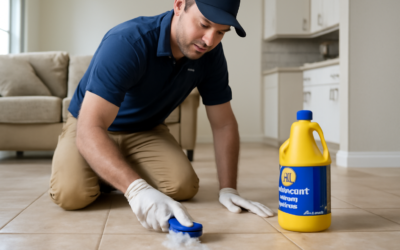
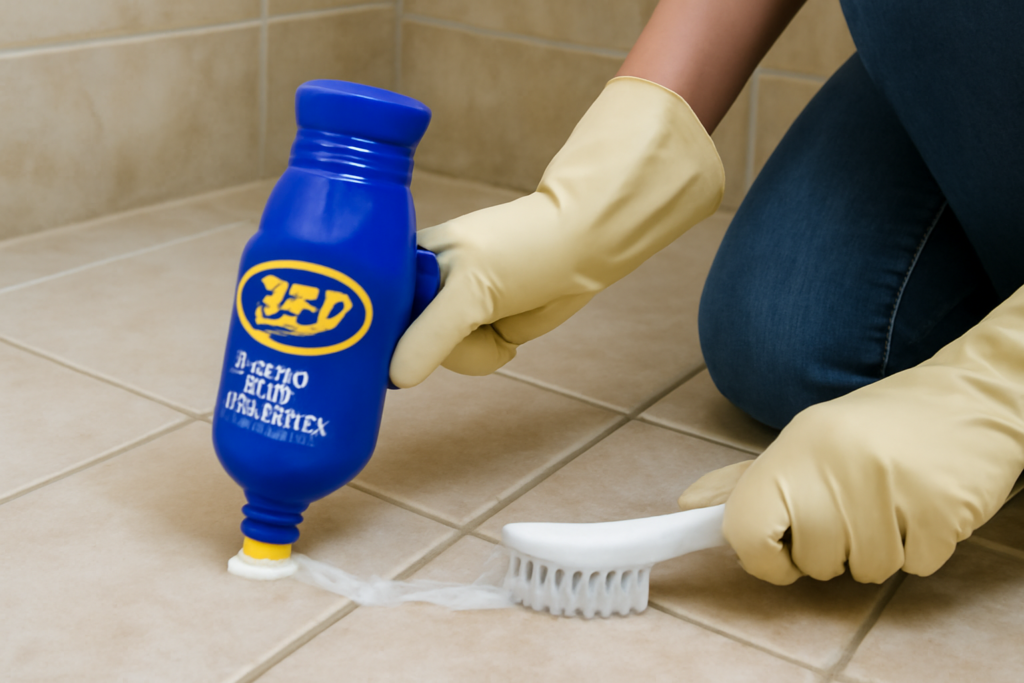
- Apply directly to the grout lines. Dispense the product onto the grout, not broadly across the tile. Work in a manageable section, such as a few square feet at a time, so it does not dry out.
- Let it dwell. Give it a few minutes to break down the buildup. Do not let it dry completely on the surface; keep it wet during the dwell time.
- Scrub with a stiff brush. A grout brush or a stiff nylon brush works the loosened grime out of the porous lines. An old toothbrush handles tight corners and edges.
- Rinse thoroughly. Flush the area with clean water until all residue is gone. Because it is acidic, leaving residue behind can continue to react with surfaces, so rinse more than you think you need to.
For heavy, long-neglected staining, a second application often clears what the first pass loosened. Always test on a small, hidden spot first to confirm the surface tolerates the product.
Realistic Results You Can Expect
On white or light cement grout that has grayed from foot traffic, mildew, and soap scum, the difference after cleaning is often dramatic. Homeowners routinely report grout lightening by several shades, with the biggest improvement in bathrooms and kitchen backsplashes where mineral scale and grease dominate. The restored color rarely returns to factory-fresh white, but it typically recovers most of the way, which is enough to transform how the whole room looks.
That said, temper expectations for certain problems. Deep organic staining that has penetrated unsealed grout may only partially lift, and grout that has been discolored by dye transfer or is physically eroded will not be fixed by any cleaner. If your grout is crumbling or missing, that is a repair job, not a cleaning job. Zep Miracle Grout Cleaner excels at surface and mineral buildup, not structural damage.
When It Beats Bleach
Many people default to bleach for grout, but bleach has real limitations. It whitens organic stains and kills surface mildew, yet it does nothing for mineral scale, hard-water film, or soap scum, which are precisely the deposits an acid cleaner dissolves. On a shower floor caked with hard-water buildup, bleach can leave the grout looking clean while the actual crust remains.
An acidic grout cleaner attacks that mineral layer directly. For the common bathroom trifecta of soap scum, water spots, and general grime, this kind of product often delivers a more complete clean than bleach alone. Never mix the two, though; combining acid-based cleaners with bleach can produce dangerous chlorine gas.
Surfaces to Avoid
The acidity that makes this cleaner effective also makes it hazardous to the wrong materials. Keep it away from:
- Natural stone tile: Marble, travertine, limestone, and other calcium-based stones will etch and dull on contact with acid. This is the single most important warning.
- Polished or delicate stone surfaces: Any acid-sensitive finish can be permanently damaged.
- Metal fixtures and fittings: Prolonged contact can corrode or discolor certain metals, so rinse splashes off promptly.
The product is best suited to ceramic and porcelain tile with cement grout. If you are not certain what your tile is, test in an inconspicuous area and check the manufacturer’s guidance before treating the whole floor.
Getting the Most From Each Application
A few habits make the difference between a decent result and a striking one. Work in small sections so the cleaner never dries on the surface; a dried acidic film is harder to rinse and can leave its own residue. Keep the grout wet during the dwell time by reapplying if you see it starting to dry, and let the chemistry do the heavy lifting before you reach for the brush. When you do scrub, use short, firm strokes along the length of the grout line rather than scrubbing across the tile, which drives grime back into the joint.
For stubborn areas, resist the urge to switch to a harsher chemical. A second application of the same product with a slightly longer dwell time almost always outperforms mixing in something stronger, and it keeps you from creating a dangerous chemical reaction. After the final rinse, dry the area with a towel and inspect under good light; any spots you missed are easy to touch up while the surface is still fresh.
Keeping Grout Cleaner Longer
Once you have restored your grout, a little maintenance keeps you from repeating the deep clean every few months. Seal cement grout after it dries fully; a penetrating sealer blocks the pores that trap soap scum and mineral deposits in the first place. In the shower, a quick daily squeegee or wipe-down dramatically slows hard-water buildup, which is the main thing an acid cleaner has to fight. A weekly pass with a mild, pH-neutral cleaner handles routine dirt without the need for the stronger acidic formula, saving the heavy-duty product for once or twice a year.
Safety and Storage Tips
Treat this like the industrial-strength chemical it is. Always wear gloves and eye protection, ensure good airflow, and never mix it with bleach, ammonia, or other cleaners. Wash your hands after use even if you wore gloves. Store the bottle upright, tightly capped, out of reach of children and pets, and away from extreme heat. If it contacts skin or eyes, rinse immediately with plenty of water and follow the label’s first-aid instructions.
Because a little goes a long way, resist the urge to overapply. More product does not mean cleaner grout; proper dwell time and scrubbing do the real work, and excess just means more rinsing and more risk to surrounding surfaces.
Final Thoughts on Zep Miracle Grout Cleaner
For grout that looks permanently dirty despite regular mopping, Zep Miracle Grout Cleaner is one of the most effective off-the-shelf fixes short of professional restoration. Its acid-based formula dissolves the mineral scale, soap scum, and hard-water film that bleach and general cleaners leave behind, and with proper application, gloves, ventilation, and a stiff brush, it can lift years of buildup and recover most of your grout’s original color. Just respect its chemistry: keep it off natural stone, never mix it with bleach, and rinse thoroughly. Follow those rules, and it can save you the cost and mess of regrouting an entire room.