
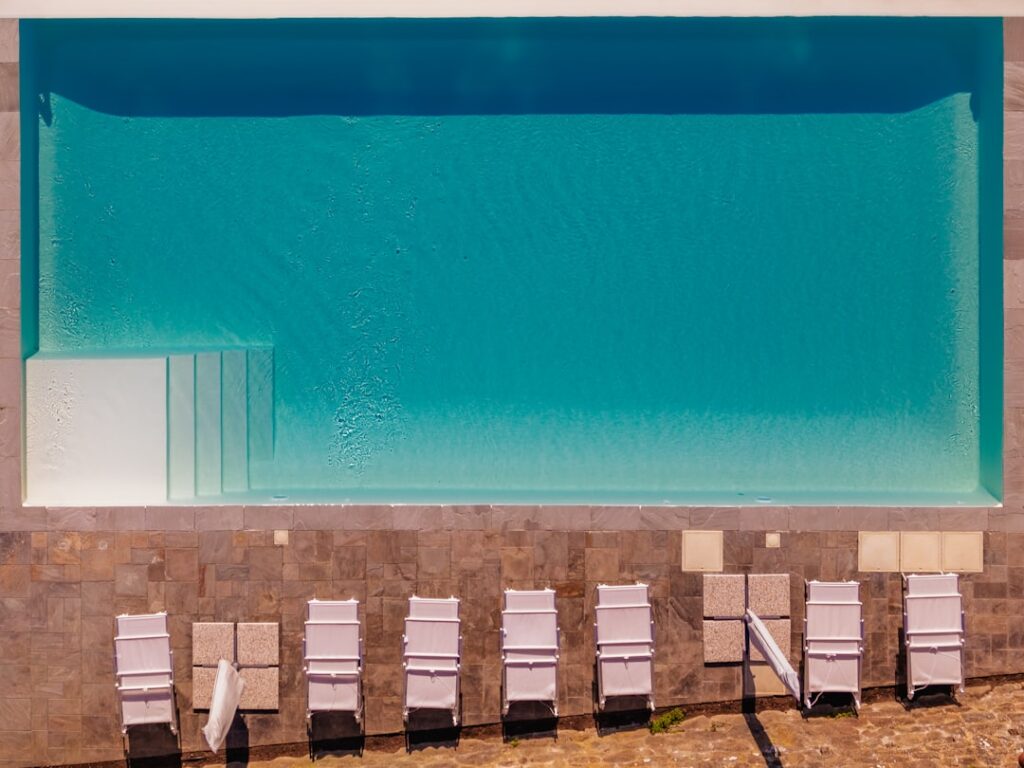
NASA designed the zero gravity recline position in the 1960s to reduce stress on astronaut spines during liftoff. Six decades later, the same 128-degree leg-up posture is the reason a zero gravity chair outdoor setup feels better after a long workday than any rocker or Adirondack you have ever sat in. The catch is that build quality varies wildly between $49 grocery-store specials and $400 European-made chairs that last 15 summers.
Part of our Windows & Doors guide — explore the full guide →
What Makes a Chair True Zero Gravity
The defining feature is the locking recline mechanism that elevates your knees above your heart. This shifts blood flow, decompresses the lumbar spine, and takes pressure off the legs. A genuine zero gravity chair has a multi-position lock — usually a sliding bar or twist knob — that holds the recline at any angle from upright dining position to fully horizontal. Cheaper imitations tilt but do not lock, dumping you backward when you reach for a drink.
Look for at least three lockable positions and a footrest that lifts to the same plane as the seat back. Bonus points for an attached headrest pillow that slides on a bungee cord.
Frame Materials That Survive a Patio
Outdoor chairs face UV, rain, pollen, and the occasional toppled coffee. Frame material determines how long the chair lasts:
- Powder-coated steel: heavy and stable, but rusts at any chip in the coating after 2-3 seasons
- Aluminum: lightweight, rust-proof, more expensive, holds up 8-10 years
- Polished stainless steel: premium, found on Lafuma and Fiam chairs, 15-year service
For a covered porch or screened lanai, steel works fine. For an uncovered deck in coastal Florida or the Pacific Northwest, spend the extra $80 for aluminum or stainless.
Top Picks at Three Price Points
After testing dozens, three chairs consistently land at the top of consumer reviews:
- Budget — Caravan Sports Infinity Zero Gravity ($59): 300-pound capacity, steel frame, basic Textilene fabric. Good for occasional use on a covered patio
- Mid-range — Timber Ridge XL ($129): 350-pound capacity, padded headrest, removable side tray, oversized seat. The best value for daily use
- Premium — Lafuma Futura Air Comfort ($379): French-made, stainless and aluminum frame, breathable Air Comfort fabric, 290-pound capacity, folds in half for storage. Lasts 15+ years
Weight Capacity and Sizing
Standard chairs are rated 250 to 300 pounds. Oversized “XL” models go to 350 to 500 pounds and add 4 to 6 inches of seat width. If you are over 6 feet tall, look for a chair with at least a 28-inch back height and 17-inch seat depth — anything smaller folds you into a pretzel. The Timber Ridge XXL ($169) and the Best Choice Products Oversized ($89) both fit users up to 6 feet 4 inches comfortably.
Always check the dimensions when fully reclined. Most chairs need 65 inches of length when laid flat. Tight balconies and small patios may need a chair that reclines to a narrower 145-degree position rather than fully horizontal.
Fabric Choices and Comfort Upgrades
The original sling fabric is Textilene, a PVC-coated polyester mesh that breathes and dries fast. Lower-end chairs use a cheaper polyester that holds water and grows mildew within a season. Look for solution-dyed Textilene with a UV rating of at least 1,000 hours — the spec sheet should list it.
Upgrade options worth the money:
- Padded fabric overlays from Timber Ridge ($35) add cushioning and warmth
- Headrest pillow upgrades fix the cheap foam pillows that come standard
- Cup holder and tablet tray attachments ($15-25) clip to the armrest
Storage and Folding for Off-Season
A chair that does not fold flat eats garage space. Most quality models collapse to about 6 inches thick and 28 inches long, easy to lean against a wall or hang on a hook. The Lafuma chairs include carry handles built into the frame; budget chairs do not, and lugging them is awkward.
Even powder-coated steel chairs benefit from winter storage indoors or under a $20 vinyl cover. Leaving a chair in the snow guarantees rust at every weld point by spring.
Common Pitfalls When Buying
Three mistakes show up in product reviews over and over:
- Buying the cheapest chair and replacing it every year (spend $129 once instead of $49 three times)
- Skipping the weight check — exceeding the rating snaps the bungee cords or bends the frame
- Setting up on uneven ground without leveling — the recline mechanism will not lock properly and the chair tips
The bungee cords that suspend the seat fabric are the most common failure point. Replacement bungee kits run $12 to $20 on Amazon and take 20 minutes to install with needle-nose pliers.
Setup and Care Tips
Place the chair on a flat surface and recline slowly the first few times to learn the lock points. Tighten the locking knob fully before sitting back. Clean the fabric monthly with mild soap and a soft brush — never a pressure washer, which blows out the weave. Lubricate the recline mechanism each spring with a light silicone spray, not WD-40, which attracts dust.
The right zero gravity chair outdoor turns a basic deck or patio into a daily decompression zone. Spend a little more upfront on a Lafuma or Timber Ridge XL, store it properly each winter, and you will get a decade of perfect afternoon naps for less than the cost of a single physical therapy session.


