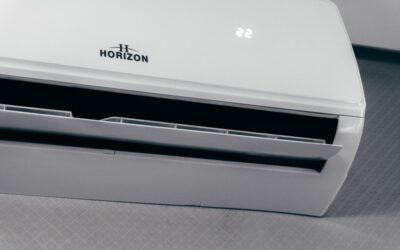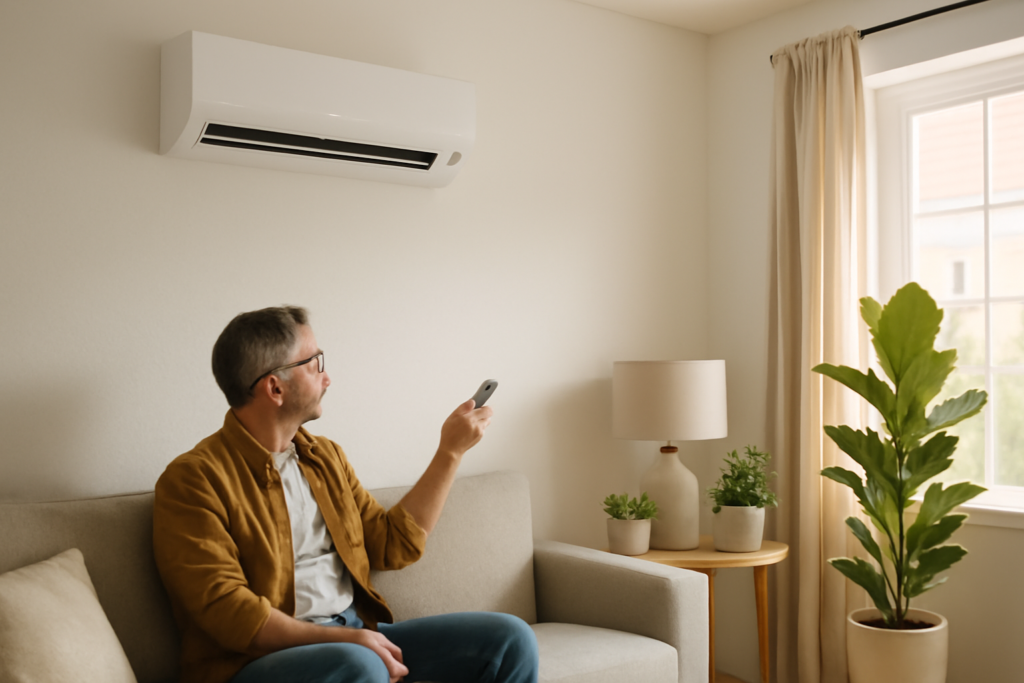
An 18k BTU mini split is the 1.5-ton sweet spot of the ductless world — enough muscle for an open living area or a converted garage, but not so much that it short-cycles in a bedroom. The 18,000 BTU size is one of the most frequently oversold, because buyers assume bigger is safer. It is not. This guide walks through exactly when 18k is the right call, what it costs, and how to wire and buy one without getting burned.
- What Size Room Does 18,000 BTU Cover?
- When 18k Is Right vs 12k or 24k
- Single-Zone vs Multi-Zone 18k Systems
- SEER2, HSPF2, and Efficiency Numbers
- Electrical and 208/230V Wiring
- Installation Cost: Pro vs DIY
- Top 18k Brands Worth Buying
- Line Set, Placement, and Commissioning Details
- Operating Cost and Rebates
- Bottom Line
What Size Room Does 18,000 BTU Cover?
Rated at 18,000 BTU of cooling and typically a bit more in heating, this size is built for roughly 700 to 1,000 square feet under average conditions. Using the standard 20-25 BTU per square foot rule, 18k comfortably handles a space around 750-900 sq ft, with headroom for higher ceilings or moderate sun load.
- 700-800 sq ft: ideal in a well-insulated, average-climate home.
- 800-1,000 sq ft: good fit with high ceilings, an open kitchen, or a sunny southern exposure.
- Over 1,000 sq ft: step up to 24k, or split the load across two zones.
Do not just trust the rule of thumb. A Manual J load calculation accounts for insulation, window area, orientation, and infiltration. A 650 sq ft sunroom can need an 18k unit that a bedroom of the same footage would never need, purely because of glass and afternoon sun.
When 18k Is Right vs 12k or 24k
Picking a neighbor size wrong is the most expensive mistake in ductless. A practical way to choose:
- Choose 12k for a single bedroom, home office, or a living room under about 600 sq ft. An 18k in that space will cool too fast, satisfy the thermostat, and leave the air humid and clammy.
- Choose 18k for open great rooms, large master suites, finished basements, or a two-car garage conversion in the 700-1,000 sq ft band.
- Choose 24k for large open-plan spaces over 1,000 sq ft or when you are conditioning a small apartment on a single head.
The clammy-room problem is real. An oversized inverter never runs long enough at low speed to pull moisture out of the air, so you get a cold, damp space instead of a cool, dry one. When in doubt between two sizes, go smaller — a right-sized 18k running longer cycles dehumidifies far better than an oversized 24k.
Single-Zone vs Multi-Zone 18k Systems
You can buy 18,000 BTU two ways, and they behave very differently. A single-zone system pairs one outdoor condenser with one indoor head — simple, efficient, and cheaper. A multi-zone setup uses one larger condenser feeding several heads, and an 18k multi-zone condenser might run, say, two 9k heads in different rooms.
Single-zone is more efficient and less expensive per BTU, so choose it whenever one open space is the target. Multi-zone earns its premium only when you genuinely need independent temperature control in separate rooms and cannot run multiple condensers. Be aware that multi-zone efficiency drops when only one head is calling, because the compressor still has to run for the whole system.
SEER2, HSPF2, and Efficiency Numbers
Since the 2023 testing update, you will see 18k units rated in SEER2 and HSPF2 rather than the old SEER/HSPF. Expect budget 18k mini splits around 16-19 SEER2 and premium cold-climate models pushing 20-22 SEER2. Higher ratings cost more upfront but unlock utility rebates and, on qualifying pro installs, federal tax credits that can offset a big chunk of the difference.
For heating, look at the rated capacity and HSPF2 at low temperature. A base 18k model may deliver only 12,000-13,000 BTU of heat at 5°F, while a hyper-heat version holds close to full output down to -13°F. In a cold climate where the mini split is primary heat, that low-ambient rating matters more than the SEER2 headline.
Electrical and 208/230V Wiring
Nearly every 18k mini split runs on 208/230V, not standard 120V. That means a dedicated circuit, typically 15-20 amps depending on the model’s minimum circuit ampacity and maximum overcurrent protection printed on the nameplate. Do not guess — size the breaker and wire to those two numbers exactly.
A proper install includes:
- A dedicated 208/230V circuit from the panel, usually 12 AWG on a 20-amp breaker for an 18k unit.
- A weatherproof outdoor disconnect within sight of the condenser, per code.
- Correctly sized line set — commonly 1/4 inch liquid and 1/2 inch suction on an 18k, though always confirm against the manufacturer’s spec.
- A whip and proper wire gauge to the condenser terminals.
If your panel is full or you are unsure about ampacity, get a licensed electrician. Undersized wire on a 230V compressor is a fire risk and voids the warranty.
Installation Cost: Pro vs DIY
Budget realistically. Here is what an 18k mini split runs in today’s market:
- Professional install: $2,500 to $5,000 all-in for a single-zone 18k, including equipment, line set, electrical, and commissioning. Multi-zone runs higher.
- DIY-ready kits: $1,200 to $1,800 for a pre-charged unit like an MRCOOL DIY, where the line set connects with quick fittings and needs no vacuum pump.
The gap between those numbers is labor and the vacuum/charging process. DIY kits from MRCOOL and similar brands are legitimately homeowner-installable because the refrigerant is pre-charged and sealed — you just mount, hang, connect, and power up. Standard flare-fitting units still require pulling a vacuum below 500 microns, which means renting tools or hiring a pro anyway.
Top 18k Brands Worth Buying
Recommendations across price tiers:
- MRCOOL DIY 4th Gen (18k): the go-to for confident DIYers; pre-charged, WiFi, roughly 20 SEER2, around $1,600.
- Mitsubishi Electric M-Series: premium reliability and the best parts support in the business; expect $4,000+ installed.
- Daikin Aurora: excellent cold-climate performance and a strong warranty when installed by a dealer.
- Senville LETO / AURA: solid mid-budget value with good efficiency for the money.
- Pioneer Diamante: a long-standing budget favorite with wide parts availability.
Pro tip: whatever you buy, register the warranty the day it powers on, keep your proof of purchase from an authorized seller, and photograph the nameplate. Skip those steps on a warranty claim and you will be buying that compressor yourself.
Line Set, Placement, and Commissioning Details
Small install details decide whether an 18k unit runs quietly for a decade or rattles and underperforms. A few field notes worth insisting on:
- Line-set length: most 18k systems ship with a 16- or 25-foot line set. Every foot beyond the rated length can require adding refrigerant, and exceeding the maximum kills performance. Keep the run as short and direct as practical.
- Condenser placement: mount the outdoor unit on a pad or wall bracket with clearance for airflow, away from bedroom windows because the compressor hums. In snow country, raise it 12-18 inches off the ground so drifts and defrost ice do not bury the coil.
- Vacuum and charge: on a flare-fitting unit, the tech must evacuate to below 500 microns and confirm the charge against subcooling or the manufacturer’s chart. This is the single most-skipped step on budget installs.
- Drain routing: the condensate line needs continuous downhill slope. If the head sits below the drain exit, plan for a condensate pump.
Ask your installer to walk you through the startup readings. A pro who is doing it right will happily show you the vacuum number and the operating pressures.
Operating Cost and Rebates
An 18k mini split running at a 20 SEER2 rating is cheap to operate compared to older equipment. As a rough estimate, cooling a 900 sq ft space through a hot summer might add $30-$60 a month to your bill depending on runtime and local electric rates, and heating in a mild-to-moderate climate often beats resistance baseboard by a wide margin. That efficiency is what makes the higher-rated models worth the premium over time.
Before you buy, check three things: your utility’s rebate program, which frequently pays $300-$1,000 for qualifying high-efficiency ductless heat pumps; the federal tax credit for heat pumps meeting the efficiency threshold on a professional install; and any state or local incentives. Stacked together, these can knock four figures off an installed 18k system, sometimes narrowing the gap between a budget and a premium unit to almost nothing.
Bottom Line
An 18k BTU mini split is the right choice for a 700-1,000 sq ft open space, a garage conversion, or a large suite — but only if the room actually calls for 1.5 tons. Run a real load calculation, favor single-zone when one space is the target, wire it to the nameplate on a dedicated 230V circuit, and choose a DIY kit only if it is genuinely pre-charged. Insist on a proper vacuum, verify drain slope, and chase every rebate you qualify for. Size it right and it is one of the most efficient, quiet, and flexible ways to condition a space.