
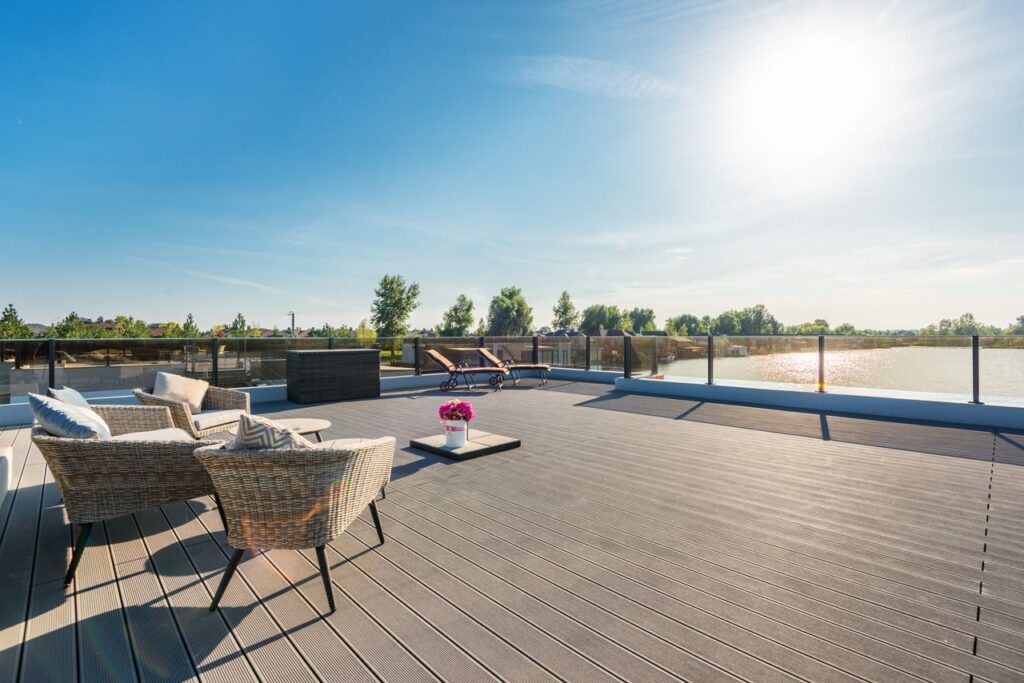
A 20-by-20-foot deck adds 400 square feet of usable outdoor living space, enough for a dining set, lounge chairs, and a grill without feeling cramped. The 20×20 deck cost typically runs between $8,000 and $30,000 installed, a wide range that comes down almost entirely to your choice of decking material and how much labor your design requires. Knowing where the money goes lets you make smart trade-offs and avoid surprises when the bids come in. I have priced out projects of exactly this size many times, and the numbers below reflect realistic 2026 ranges.
Part of our Decks & Outdoor guide — explore the full guide →
Let me walk you through the cost by material, the labor and extras that get overlooked, and where you can save without cutting corners that matter.
Average Cost by Material
Decking material is the single biggest cost driver. Here is what 400 square feet typically costs installed, including labor and the supporting frame:
- Pressure-treated pine: $8,000 to $14,000 ($20 to $35 per sq ft)
- Cedar: $12,000 to $18,000 ($30 to $45 per sq ft)
- Composite (Trex, TimberTech): $16,000 to $26,000 ($40 to $65 per sq ft)
- PVC and capped composite: $20,000 to $30,000 ($50 to $75 per sq ft)
- Tropical hardwood (Ipe): $22,000 to $32,000 ($55 to $80 per sq ft)
Pressure-treated lumber wins on upfront price but needs annual sealing and lasts 15 to 20 years. Composite costs more initially but eliminates staining and sealing, often paying back the difference over a 25-plus year lifespan.
Materials vs Labor Split
On a typical deck, materials make up roughly 40 to 50 percent of the cost and labor the rest. For a 20×20 pressure-treated deck, expect around $4,000 to $6,000 in materials and a similar amount in labor. Composite shifts that balance toward materials because the boards themselves cost three to four times more than wood, while installation labor stays comparable.
What Drives the Price Up
Two identical-sized decks can differ by $10,000 based on factors beyond the decking boards.
- Height off the ground: a deck more than a few feet up needs deeper footings, more posts, and railings
- Railings: add $20 to $60 per linear foot; aluminum and glass cost far more than wood
- Stairs: $100 to $300 per step depending on material and width
- Built-in features: benches, planters, and lighting add hundreds to thousands
- Site conditions: sloped or rocky ground raises foundation costs
Don’t Forget Permits
Most municipalities require a building permit for a deck of this size, especially when attached to the house. Permit fees range from $150 to $600 depending on your area, and an inspection of the footings and framing is usually required. Skipping the permit can cause problems at resale and may force you to tear out non-compliant work, so build it into your budget from the start.
The Frame and Foundation
What you do not see costs real money. Below the decking sits a pressure-treated frame of joists, beams, and posts, all anchored to concrete footings poured below the frost line. For a 400-square-foot deck that means roughly 6 to 9 footings, joists spaced 16 inches on center, and a ledger board bolted to the house if attached. This structural work is non-negotiable and typically accounts for $2,500 to $5,000 of the total regardless of which decking you choose.
DIY vs Hiring a Pro
Building it yourself can cut the cost nearly in half by eliminating labor, bringing a pressure-treated 20×20 deck down to $4,000 to $7,000 in materials. But this is an ambitious DIY project requiring footing layout, proper joist spacing, ledger flashing, and code-compliant railings. A mistake on the structure is a safety hazard. If you are confident with framing and have a helper, it is achievable over a few weekends; if not, the labor cost buys you peace of mind and an inspection-ready build.
Ways to Save Without Cutting Corners
You can trim the budget intelligently. Choose pressure-treated framing with composite decking only on the visible surface. Keep the deck low to the ground to avoid extensive railings and stairs. Build a simple rectangle rather than multi-level or angled designs, which add labor. Buy materials during end-of-season sales, and get at least three contractor bids to keep pricing competitive.
Long-Term Maintenance Costs
The purchase price is only the beginning. Different materials carry very different upkeep budgets over their lifespan. A pressure-treated or cedar deck needs cleaning and resealing every one to two years, costing $200 to $500 in materials or $500 to $1,200 if you hire it out each time. Over 20 years, that maintenance can equal or exceed the upfront savings versus composite. Composite and PVC decks, by contrast, need only an occasional soap-and-water wash, with no sanding, staining, or sealing. When you compare options, factor in these recurring costs, not just the day-one price.
- Pressure-treated: seal yearly, expect $200 to $500 per treatment
- Cedar: seal every one to two years to preserve color
- Composite: wash occasionally, no sealing required
- PVC: lowest maintenance, simple soap-and-water cleaning
Return on Investment
A deck is one of the better home improvements for resale. Industry remodeling reports consistently show wood decks recouping roughly 50 to 65 percent of their cost at sale, with composite somewhat lower because of the higher upfront price. Beyond the dollar figure, a deck expands usable living space and makes a home more appealing to buyers who picture themselves entertaining outdoors. If you plan to stay several years, the everyday enjoyment is the real return; if you plan to sell soon, a clean, well-built deck still helps the listing stand out.
Getting Accurate Quotes
To avoid budget surprises, collect at least three detailed written bids. Each should itemize materials, labor, footings, railings, stairs, permits, and cleanup separately rather than offering a single lump sum. Ask whether the contractor is licensed and insured, request references from recent deck projects, and confirm who pulls the permit. Be wary of any bid dramatically lower than the others, since it usually signals cut corners on the framing or footings, the very parts you cannot see and cannot afford to get wrong.
Final Thoughts
The 20×20 deck cost ultimately hinges on material and design. Budget $8,000 to $14,000 for pressure-treated, $16,000 to $26,000 for composite, and remember that permits, railings, stairs, the hidden frame, and years of maintenance all add up. Match the material to how long you plan to stay in the home, gather multiple itemized bids, and a well-built 400-square-foot deck will pay you back in outdoor living and resale value for years.
Frequently Asked Questions
How much does a 20×20 Trex deck cost?
A 20×20 composite deck built with Trex or a similar brand typically falls in the composite range of about $16,000 to $26,000 installed. Entry-level board lines sit near the low end, while premium capped lines, hidden fasteners, composite railings and stairs push the total toward the top of the range. The supporting frame is still pressure-treated lumber, so structural costs are similar to a wood deck.
How long does it take to build a 20×20 deck?
A professional crew typically builds a simple, low 20×20 deck in about one to two weeks of working days, depending on footings, inspections and weather. Elevated decks, stairs, railings and built-in features add time, and permit approval can add several weeks before work starts. A DIY build with a helper usually takes several weekends because footings must cure and pass inspection before framing begins.
How many deck boards do you need for a 20×20 deck?
A 20×20 deck needs about 43 rows of standard 5-1/2 inch wide boards when spaced with a small gap for drainage. Using 20-foot boards, that is roughly 43 boards with no butt joints; shorter boards require joints that must land on doubled joists. Add about 5 to 10 percent extra for cuts and defects, plus more if the design includes picture framing, borders or diagonal patterns.
How many joists does a 20×20 deck need?
At 16 inches on center, a 20-foot deck run needs 16 joists, plus rim joists on each end. Joists cannot span the full 20 feet on their own, so most 20×20 decks use at least one intermediate beam on posts and footings to break the span into shorter sections. Composite decking often requires tighter joist spacing for diagonal layouts, so check the board maker’s span requirements.


