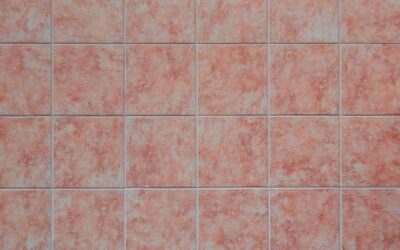
Sleek, seamless, and distinctly modern, 24×48 floor tile has become the go-to choice for homeowners who want the look of stone slabs with the durability of porcelain and a fraction of the grout lines. If you are considering these large-format planks for a living area, kitchen, or open-concept floor, this guide explains the substrate demands, coverage requirements, leveling tools, and real costs that determine whether the job comes out flat and flawless.
Part of our Tile & Grout guide — explore the full guide →
What This Large-Format Tile Is
This is large-format porcelain measuring 24 inches by 48 inches, or two feet by four feet, giving each piece eight square feet of coverage. Fired dense and hard, porcelain in this size is engineered to imitate the uninterrupted look of natural stone slabs, polished concrete, or marble while absorbing under 0.5 percent water and resisting stains and wear.
The appeal is visual calm. Fewer, thinner grout lines make a room read larger and more contemporary, and the big surface showcases dramatic veining or subtle texture without the chopped-up grid of smaller tile. It is a favorite for open floor plans where continuity matters.
Why the Substrate Must Be Perfectly Flat
This is the single biggest factor in a successful large-format install, and it is where do-it-yourself jobs most often fail. Large tiles are rigid and unforgiving; they cannot flex to follow a wavy floor the way small tile can. Any dip or hump in the subfloor shows up as lippage, the uneven edge you feel and see where one tile sits higher than its neighbor.
Industry guidelines call for the substrate to be flat within 1/8 inch over 10 feet for tiles with edges 15 inches or longer. Achieving that usually means applying a self-leveling underlayment or floating a mortar bed before setting a single tile. Skipping this step is the fastest route to a floor that rocks, cracks, or telegraphs every imperfection. Budget the time and material to get the base dead flat first.
Thin-Set Coverage and Setting the Tile
Support under the tile is just as critical as the flat base. Large-format porcelain requires near-total mortar contact to prevent cracks and hollow spots. Standards call for at least 80 percent thin-set coverage in dry areas and 95 percent in wet or exterior areas, with no voids under the corners where stress concentrates.
To hit that, installers use a large-notched trowel, typically a half-inch by half-inch notch or a special large-format trowel, and comb the mortar in straight lines. Back-buttering, spreading a thin layer on the back of the tile, is standard practice to fill the ridges and guarantee full contact. Use a mortar specifically labeled for large and heavy tile, often called an LHT or medium-bed mortar, because standard thin-set can slump and leave voids under this much weight.
Leveling Clips and Lippage Control
Even on a flat floor, big tiles need help staying coplanar while the mortar cures. A tile leveling system, made of clips and wedges or caps, pulls adjacent tiles to the same height and holds them until the mortar sets, then snaps off. For 24×48 tile, these are not optional; they are how professionals achieve that seamless, lippage-free surface.
- Clips: Slide under the tile edges and set the target height.
- Wedges or caps: Apply pressure to force neighboring tiles flush.
- Spacing: Maintain a consistent grout joint, commonly 1/8 to 3/16 inch for large format.
Most pros also recommend a running-bond offset of no more than one-third, rather than a traditional 50 percent brick pattern, because the slight bow common in long tiles makes a half-offset accentuate lippage at the center of each tile.
What 24×48 Floor Tile Costs
Material pricing spans a wide range based on finish and brand. Expect roughly $3 to $12 per square foot for the tile itself, with entry-level concrete-look products near the bottom and premium marble-look or textured collections at the top. Because each piece covers eight square feet, a room adds up quickly, so measure carefully.
Installation is where large format earns its reputation as a specialist job. Labor commonly runs $10 to $20 per square foot, higher than small tile because of the substrate prep, leveling systems, special mortar, and the two-person handling these heavy, fragile pieces require. Factor in self-leveling underlayment at $1 to $3 per square foot if the floor needs it. A 200-square-foot living room can realistically total $3,000 to $6,000 installed. Order 10 to 15 percent extra to cover cuts and the occasional cracked piece, since large tiles break more easily during handling and cutting.
Cutting and Handling Large Tile
The size that makes these tiles beautiful also makes them harder to work with. Standard snap cutters struggle with 48-inch lengths, so installers use rail-mounted large-format cutters or a wet saw with a continuous-rim diamond blade for clean edges and notches. Carrying tiles flat, ideally with a suction-cup handling frame and a second person, prevents the flex that cracks them mid-transport.
Dry-lay a few rows before mortaring to confirm the layout, check factory edges for warpage, and plan cuts so partial tiles land in less visible areas. Rushing the handling is the most common way homeowners lose expensive tile to breakage before it is even set.
Storage and staging deserve a moment of planning too. Keep tiles stacked flat and fully supported, never leaned upright against a wall where their own weight can bow and crack them overnight. Bring the boxes into the conditioned space a day or two ahead so the material acclimates to room temperature, which reduces the risk of edges chipping under the saw. Have your leveling clips, mortar, notched trowel, and a helper all staged before you open the first bag of thin-set, because once mortar is combed onto the floor, the clock is running and fumbling for a tool means voids under the tile.
Maintenance and Everyday Performance
Once installed correctly, large-format porcelain is one of the lowest-maintenance floors available. The dense, glazed surface shrugs off spills, pet accidents, and foot traffic, and because there are so few grout lines, there is far less joint to scrub than with small tile. Routine care is nothing more than sweeping or vacuuming grit and damp-mopping with a pH-neutral cleaner.
The grout you do have still deserves attention. Sealing cement grout, or upgrading to an epoxy or high-performance grout at installation, keeps those thin lines from staining and yellowing over the years. Porcelain itself never needs sealing, unlike natural stone, which is a major reason homeowners choose a marble-look 24×48 tile over an actual marble slab. In kitchens and entryways, place mats at doorways to catch abrasive grit, and use felt pads under heavy furniture so dragging does not dull the finish. With minimal effort, these floors hold their appearance for decades and resist the fading that plagues many resilient flooring products in sunlit rooms.
Is This Large Tile Right for You?
Choose it when you want a clean, modern, slab-like floor with minimal grout, and when you either hire an experienced installer or are ready to invest in proper prep and leveling tools. The reward is a striking, low-maintenance surface that makes rooms feel bigger and more luxurious, with the toughness of porcelain underfoot for decades.
Think twice if your subfloor is uneven and you are not prepared to level it, if your budget cannot absorb the higher labor, or if the space has many obstacles requiring difficult cuts. In those cases, a smaller format is more forgiving. For the right room and the right prep, though, 24×48 floor tile delivers a high-end look few other materials can match. Confirm the tile’s rectified edges, PEI rating for your traffic, and slip rating before ordering a full job.
Prefer to explore on your own?
See how new flooring looks in your actual room in seconds — free, no signup.
Try the free Floor Studio →