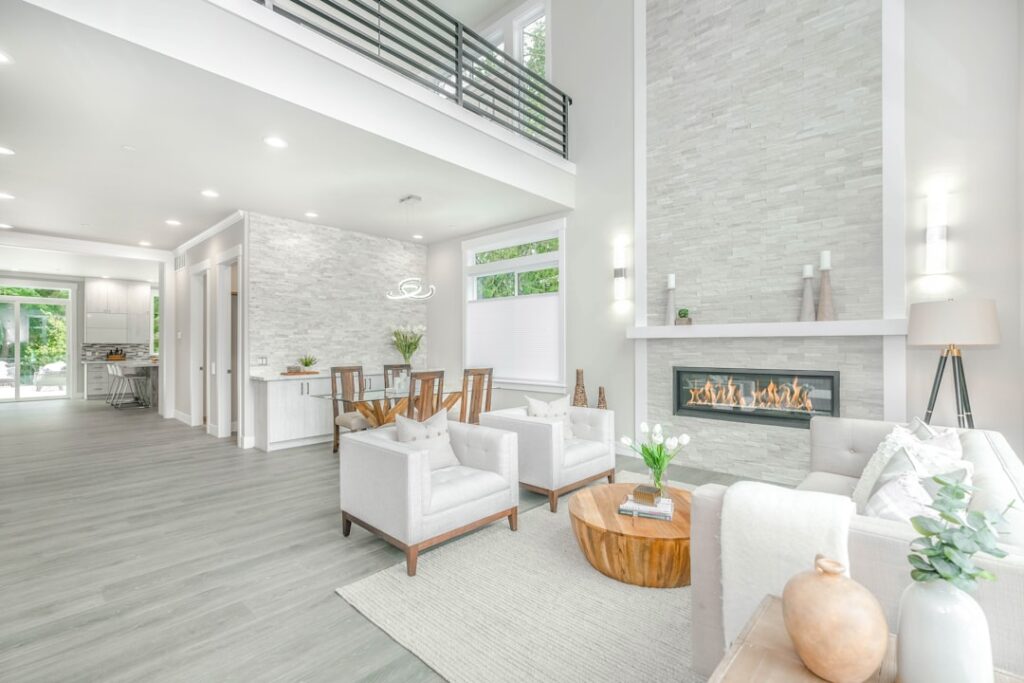
If there is one rug dimension that decorators reach for more than any other, it is this one. The 8 by 10 rug size is the workhorse of American living rooms, large enough to anchor a full seating arrangement yet common enough to find in nearly every style, color, and price point. That combination of versatility and availability is why it has become the default recommendation for standard-sized rooms. Before you buy, though, it pays to understand exactly how much floor an 8×10 covers and whether your room is the right size to carry it.
Getting the scale right is the single biggest factor in whether a rug looks intentional or accidental. This guide breaks down the exact dimensions, the rooms it suits, and the layout rules that make it work.
8 by 10 Rug Size: Exact Dimensions and Coverage
An 8 by 10 rug measures 8 feet wide by 10 feet long, which works out to 96 inches by 120 inches, or roughly 2.4 by 3 meters. It covers 80 square feet of floor, making it one of the larger standard sizes without crossing into the oversized 9×12 and up territory.
To visualize it, an 8×10 is about the footprint of a small bedroom. It is large enough that a sofa, coffee table, and accent chairs can all relate to it, but compact enough to leave a proper border of exposed floor in an average room. That balance is exactly why it is so widely recommended.
What Room Size You Need
The rule of thumb is to leave 12 to 18 inches of bare floor between the rug edge and the walls. Apply that to an 8×10 and you get a clear target: the rug suits a room roughly 11 to 13 feet in one direction and 13 to 15 feet in the other.
In a room smaller than about 11 by 13 feet, an 8×10 can crowd the space and run too close to the walls or under doorways. In a much larger room, an 8×10 may look marooned, leaving too wide a border; there a 9×12 or larger fills the space better. Measure your room first, then confirm the border math before you commit.
Best Rooms for an 8×10 Rug
- Living rooms: the classic application, anchoring a sofa, chairs, and coffee table in an average-sized room.
- Dining rooms: fits a table that seats six to eight while keeping chairs on the rug when pulled out.
- Primary bedrooms: centered under a queen or king bed with generous coverage on the sides and foot.
- Open-plan zones: defining a living area within a larger open floor plan.
Furniture Layout Rules
How you position furniture on an 8×10 determines whether the room feels cohesive. There are three accepted approaches, and the right one depends on your room size.
- All legs on: in a spacious room, all four legs of the sofa and chairs sit on the rug for a grounded, luxurious look.
- Front legs on: the most common and forgiving layout, with the front legs of each piece resting on the rug to tie the grouping together.
- Floating with a border: only in smaller rooms, where furniture sits just off the rug; use this sparingly, as it can look disconnected.
For a dining room, the key measurement is different. Make sure the rug extends at least 24 inches beyond every edge of the table so that chairs stay on the rug when guests pull them out to sit. An 8×10 handles a standard six-seat table comfortably.
Dining Table Pairing
Because the 8×10 is a popular dining choice, it helps to match it to your table. A rectangular table up to about 72 inches long fits well, leaving room for chairs. A round table up to 60 inches also works, though a square or round rug is sometimes a better shape match for a round table. Always dry-fit by pulling the chairs out and checking that the back legs remain on the rug.
Choosing Material for the Size
An 8×10 is a large, visible piece, so the fiber choice matters for both looks and longevity. Wool is the premium pick, offering durability, natural stain resistance, and a rich texture that holds up in high-traffic living and dining rooms. Synthetic polypropylene delivers excellent stain resistance and easy cleaning at a lower price, ideal for families with kids and pets. Natural jute and sisal add casual texture but offer less cushion and can be harder to clean at this size.
Whatever the fiber, invest in a rug pad cut about an inch smaller on each side. Under a rug this large, a pad prevents slipping, adds cushion, protects the floor, and keeps the corners flat, which also makes vacuuming easier.
8×10 vs 9×12 vs 6×9
Choosing between the popular sizes is easier when you see them side by side. The 8×10 is the versatile middle option, but the neighbors serve different rooms.
- 6×9: covers 54 square feet, best for smaller living rooms and apartments where an 8×10 would crowd the space.
- 8×10: covers 80 square feet, the standard for average living and dining rooms.
- 9×12: covers 108 square feet, for large, open living rooms where an 8×10 would look lost.
A helpful way to decide is to measure your seating group and add a couple of feet on each side. If your sofa and chairs span about 8 feet, an 8×10 lets their front legs rest on the rug comfortably. If the arrangement is larger, size up so the furniture still engages the rug.
Care and Cleaning at This Size
An 8×10 is large enough that professional cleaning is the practical option for a deep refresh, since it will not fit in a home washing machine. Between deep cleans, vacuum regularly and rotate the rug 180 degrees every few months so traffic patterns and sun exposure wear it evenly. Rotation is one of the simplest habits that meaningfully extends a large rug’s life.
Blot spills immediately rather than rubbing, which pushes stains deeper and frays fibers. Keep a quality pad underneath, cut about an inch smaller on each side, to cushion foot traffic and prevent the crushing that flattens the pile in walking lanes. For wool rugs, avoid a rotating beater bar on your vacuum, which can pull and fuzz the fibers over time.
Budgeting for an 8×10 Rug
Because it is a large, standard size, an 8×10 comes at every price point, so knowing the ranges helps you shop smart. Budget synthetic rugs start around $100 to $250 and offer stain resistance and easy care for family rooms. Mid-range machine-made wool and quality synthetics run $300 to $800, while premium wool, hand-tufted, and hand-knotted rugs climb well past $1,000, with fine handmade pieces reaching several thousand.
- Under $250: synthetic power-loomed rugs, great for high-traffic and budget projects.
- $300 to $800: machine-made wool and better synthetics with a nicer hand and longer life.
- $1,000 and up: hand-tufted and hand-knotted wool for heirloom quality.
Whatever your budget, factor in a rug pad, roughly $40 to $100 at this size. It is a small addition that protects both the rug and the floor and makes even a modestly priced rug feel more substantial underfoot.
Is the 8×10 Right for You
The 8 by 10 rug size is the safe, versatile default for a reason: it fits the average living or dining room, comes in endless styles, and anchors a full furniture grouping with room to spare. Confirm your room measures at least 11 by 13 feet, plan your furniture layout around the front-legs-on or all-legs-on approach, and leave a balanced border of floor on all sides. Match the material to your traffic, add a quality pad, and this reliable size will ground your space cleanly for years.