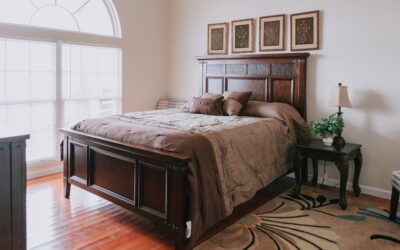
Getting the rug right can make a bedroom feel finished and luxurious, while getting it wrong leaves the space looking awkward and unbalanced. If you are asking what size rug fits under a queen bed, the short answer is that an 8×10 rug is the most popular and versatile choice, though 9×12 and 6×9 rugs each have their place depending on your room and layout. A queen bed measures 60 inches wide by 80 inches long, and the goal is to frame that footprint with enough rug showing around the edges to anchor the whole arrangement. This guide walks you through the exact dimensions, placement rules, and design tricks that make the finished look feel intentional.
Queen Bed Dimensions as Your Starting Point
Every rug decision begins with the bed itself. A standard queen mattress is 60 inches wide and 80 inches long, which works out to 5 feet by roughly 6.7 feet. Once you add a frame, headboard, and nightstands, the visual footprint grows, and that is exactly why you want a rug large enough to extend well beyond the mattress on the sides and foot of the bed.
The magic number most designers aim for is 18 to 24 inches of rug showing on each exposed side. That border of soft flooring is what your feet land on when you climb out of bed, and it is the visual frame that grounds the furniture. Keeping that 18-to-24-inch guideline in mind makes choosing the right size far more straightforward.
Why an 8×10 Rug Is the Go-To Choice
An 8×10 rug, measuring 96 inches by 120 inches, is the most recommended size for a queen bed, and the math shows why. When you center the bed on the rug and slide it about two-thirds of the way down, you leave roughly 18 inches of rug exposed on each side and a generous stretch at the foot. That balance frames the bed beautifully without swallowing the rest of the room.
This size works especially well in bedrooms that are 10 by 12 feet or larger, where an 8×10 leaves a tasteful border of bare floor around the rug’s edges. It gives you soft footing on both sides of the bed and enough coverage at the foot for a bench or ottoman to sit partly on the rug, which is a favorite designer trick for a cohesive look.
When to Size Up to a 9×12 Rug
Larger bedrooms call for a larger rug, and a 9×12, at 108 inches by 144 inches, fills a spacious room without leaving the floor looking bare. In a room measuring 12 by 14 feet or more, an 8×10 can look a bit small and stranded, whereas a 9×12 extends the soft surface farther on every side and comfortably accommodates nightstands sitting on the rug rather than off it.
Placing nightstands on top of the rug is one reason to choose 9×12. When the rug reaches under the entire bed and both bedside tables, the whole sleeping zone reads as a unified area, which feels intentional and high-end. If you love that layered look and have the floor space, sizing up is well worth the extra material.
Be mindful of your walking clearance when you go big. Designers generally like to leave at least 18 inches of bare floor between the edge of the rug and the walls so the room can breathe and doors swing freely. Measure that gap on all four sides before committing, because a 9×12 that crowds the baseboards can make even a large bedroom feel tight.
The Budget-Friendly 6×9 Option
Not every bedroom has room for a big rug, and a 6×9, measuring 72 inches by 108 inches, is a practical fit for smaller spaces or tighter budgets. At this size you would not center the bed on the rug in the traditional way; instead, you slide the rug under the lower two-thirds of the bed so it emerges at the foot and along the lower sides. This still delivers soft footing where you step out of bed each morning.
A 6×9 also works nicely when placed horizontally under the bottom third of the bed, extending past both sides at the foot. This runner-style placement suits rooms as small as 10 by 10 feet and keeps costs down, since smaller rugs are naturally cheaper. It is the smart compromise when a full 8×10 simply will not fit.
Popular Placement Layouts
How you position the rug matters as much as the size you choose. The most common and reliable layout centers the bed left to right on the rug, then pushes the rug two-thirds of the way under the bed so the top edge sits just past the nightstands or under the lower pillows. This leaves an even, generous border along both sides and the foot.
Here are three layouts homeowners rely on most:
- Full-frame: an 8×10 or 9×12 centered under the bed with 18 to 24 inches showing on three sides
- Two-thirds slide: rug under the lower two-thirds of the bed, ideal for 8×10 and 6×9 rugs
- Horizontal runner: a 6×9 turned sideways under the foot third, extending past both sides
Alternatives to a Single Large Rug
Sometimes one big rug is not the right answer, and layering smaller rugs can create a stylish, budget-conscious effect. Two matching runners, each about 2.5 by 8 feet, placed on either side of the bed give you soft landing spots without covering the whole floor. This approach suits rooms with attractive hardwood or tile you want to show off.
A single runner across the foot of the bed is another option, adding warmth and a pop of pattern where a bench might otherwise sit. These alternatives cost less than a room-sized rug and let you highlight rather than hide a beautiful floor, so they are worth considering if wall-to-wall softness is not your priority.
Material, Pile, and Practical Considerations
Size is only half the decision, since the feel underfoot depends heavily on material and pile height. A plush, high-pile wool or shag rug adds cozy warmth in a bedroom where you value softness first thing in the morning, while a flatter, low-pile weave is easier to vacuum and slide furniture across. Bedrooms are forgiving spaces, so you can lean toward comfort over durability here.
Do not skip a quality rug pad beneath whichever size you choose. A grippy pad keeps the rug from shifting when the bed frame presses down on it, adds a layer of cushioning, and protects the floor underneath from color transfer. For an 8×10 or 9×12 under a heavy bed, a pad also helps the rug lie flat and prevents the exposed edges from curling and becoming a trip hazard.
Final Sizing Recommendations
To settle the question of what size rug fits under a queen bed, start by measuring your room and aiming for 18 to 24 inches of rug beyond the mattress on the exposed sides. An 8×10 rug is the safe, stylish default for most bedrooms, a 9×12 is the upgrade for larger rooms where you want nightstands on the rug, and a 6×9 is the space-saving pick when square footage or budget is tight. Match the size to your room, follow the two-thirds placement rule, and your queen bed will sit on a rug that looks balanced, feels cozy underfoot, and pulls the entire bedroom together.