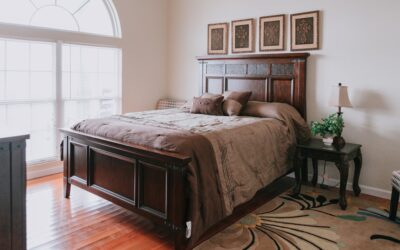
Figuring out what size rug should go under a queen bed is one of those decorating decisions that seems simple until you are standing in a store staring at rug tags. Buy too small and the rug looks like a bath mat marooned at the foot of the bed; buy too big and it swallows the room and crowds the nightstands. The sweet spot depends on your room size, your furniture layout, and how much rug you want to feel underfoot when you climb out of bed on a cold morning. This guide gives you the exact dimensions and the placement logic so you get it right the first time.
A queen bed measures 60 inches wide by 80 inches long, and the mattress with a frame and bedding takes up a footprint a little larger than that. Every rug recommendation flows from those numbers, so once you understand the relationship, the choice becomes clear.
The Short Answer
For most bedrooms, an 8×10 rug is the ideal size under a queen bed. It is large enough to extend well past both sides and the foot of the bed, framing the whole sleeping area and leaving a generous border of rug to step onto. If your room is on the smaller side, a 6×9 rug is the next step down and still works when placed correctly. In a large primary bedroom, a 9×12 rug creates a luxurious, grounded look with plenty of exposed rug around the furniture.
Think of it as three tiers: 6×9 for compact rooms, 8×10 as the versatile default, and 9×12 for spacious rooms. The 8×10 is the safe choice if you are unsure, because it flatters the widest range of bedroom sizes.
The Placement Rule That Makes It Work
Size and placement work together, and the guiding principle is that the rug should extend at least 18 to 24 inches beyond the sides and foot of the bed. That exposed border is what your feet land on when you get up, and it is what makes the rug read as intentional rather than accidental. Aim for a balanced, even margin of rug showing on the left, right, and foot of the bed.
You do not need to center the rug under the entire bed. The most common and most attractive layout slides the rug about two-thirds of the way under the bed, starting just below the nightstands so the pillows and headboard sit off the rug while the majority of the mattress sits on it. This keeps the visual weight balanced, saves rug real estate, and still gives you that soft landing on both sides.
How Each Size Plays Out
To picture the options against a 60-by-80-inch queen bed:
- 8×10 (96 by 120 inches): Slid two-thirds under the bed, this leaves roughly 18 to 24 inches of rug exposed on each side and at the foot. The best all-around choice.
- 6×9 (72 by 108 inches): Positioned under the lower two-thirds of the bed, it gives a smaller but still comfortable border. Ideal for rooms around 10×10 or 10×11.
- 9×12 (108 by 144 inches): Creates a wide, plush frame with generous margins on all sides. Best in rooms 12×12 and larger, where it anchors the space.
- 5×8 or smaller: Too small to sit under the bed properly; better used as an accent placed crosswise at the foot of the bed if you want a runner-style look.
The larger the room, the larger the rug should be so the proportions feel deliberate. A tiny rug in a big room looks lost, while an oversized rug in a small room leaves no breathing space around the edges.
Alternatives to One Big Rug
You do not have to buy a single large rug at all. In a small bedroom, or when you want to spend less, two smaller runners placed on either side of the bed give you the soft landing where it counts without covering the whole floor. A single runner across the foot of the bed is another budget-friendly option that adds texture and color, though it does nothing for your feet at bedside.
These alternatives shine when the bedroom floor itself is worth showing, such as beautiful hardwood you do not want to hide, or when the room is too tight for an 8×10 to fit without crowding the door swing and dresser.
Practical Tips Before You Buy
Measure your room and tape out the rug footprint on the floor before ordering. Painter’s tape laid in an 8-by-10-foot rectangle around your bed instantly shows whether the size crowds your nightstands, dresser, or closet doors. This five-minute test prevents the most common and most expensive rug mistake.
Consider a lower pile if you place furniture legs on the rug, because a thick shag compresses unevenly under bed and nightstand legs and can look lumpy. Always add a rug pad; it grips the rug so it does not slide when you step off the bed, adds cushion, and protects both the rug and the floor beneath. Finally, leave at least a foot of bare floor between the edge of the rug and the walls or large furniture so the room does not feel wall-to-wall carpeted.
Get the size right and the rug quietly does its job: it warms the floor, softens the room, and frames the bed as the centerpiece it should be. For the vast majority of bedrooms, the answer to what size rug should go under a queen bed is an 8×10, slid two-thirds under the bed with an even border all around, and you will step onto something soft every single morning.
Frequently Asked Questions
Can I use a 5×7 rug under a queen bed?
A 5×7 is too small to sit under a queen bed properly, since it will not extend past the sides once it tucks under the frame. If a 5×7 is what you have, use it crosswise at the foot of the bed as an accent instead of trying to center it under the mattress. For placement under the bed, 6×9 is the realistic minimum, and 8×10 is the ideal.
Should the rug be wider than the bed?
Yes, the rug should be noticeably wider than the bed so that 18 to 24 inches of rug shows on each side. That exposed border is what your feet land on when you get up, and it is what makes the layout look balanced. A rug the same width as the bed, or narrower, reads as undersized and defeats the purpose of having a rug at all.
Does the rug have to go all the way under the bed?
No, and it usually should not. The most attractive and economical approach slides the rug about two-thirds of the way under the bed, starting just below the nightstands. This keeps the pillows and headboard off the rug while the bulk of the mattress sits on it, giving a balanced look and a soft landing on both sides without paying for rug you will never see.