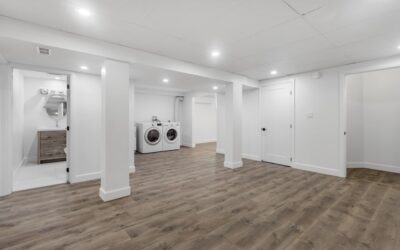
Not every water problem sits at the bottom of a dug pit. An above ground sump pump solves the cases where you need to move surface water fast, from a flooding crawl space to a window well, a flat roof, or a basement with no proper sump basin. Because an above ground sump pump sits on top of the surface rather than submerged in a hole, it’s easier to inspect, service, and reposition wherever the water happens to be.
The term covers a couple of distinct pump styles, and picking the right one depends on your situation. This guide sorts out the types, sizing, costs, and how to put one to work.
- What “Above Ground” Actually Means
- Pedestal Pumps: The Permanent Above-Ground Option
- Utility and Transfer Pumps for Emergencies
- Sizing an Above Ground Pump
- What It Costs
- Installation and Maintenance Tips
- Above Ground vs. Submersible: Which to Choose
- Setting Up a Reliable Discharge
- Backup Power for Above-Ground Pumps
What “Above Ground” Actually Means
The phrase gets used loosely, so it helps to define it. In practice, an above ground sump pump refers to pumps whose motor or body sits above the water line rather than fully submerged in a pit. Two main designs fit this description.
- Pedestal sump pumps: The motor sits atop a long shaft above the sump pit, with only the intake down in the water. The motor stays dry and cool and is easy to access.
- Portable utility and transfer pumps: Standalone pumps that sit on the floor or ground and pull water through a hose, used for temporary flooding, draining, and cleanup rather than a permanent installed pit.
Both keep the working parts accessible, which is the whole appeal. You can hear a pedestal motor running, spot a problem, and service it without reaching into a flooded basin.
Pedestal Pumps: The Permanent Above-Ground Option
A pedestal pump is the classic above-ground choice for a home with a sump pit. Its motor rides high on a column, connected to an intake at the pit bottom, so the motor never gets wet.
The advantages are real. Because the motor stays dry, pedestal pumps often last longer than submersibles, commonly 10 to 15 years versus 7 to 10 for submerged units. They’re cheaper, typically $60 to $150, and dead simple to inspect and repair. The tradeoffs are that they’re louder since the motor is exposed, they’re less powerful than heavy submersibles, and the tall column looks less tidy in a finished basement.
Pedestal pumps suit homes with light to moderate groundwater, tighter budgets, and owners who value easy servicing over quiet operation. For a finished, high-flow basement, a submersible often wins instead.
Utility and Transfer Pumps for Emergencies
The other above-ground category is portable pumps you deploy when and where water appears. These are the tools for a flooded crawl space, a window well filling in a storm, a swamped basement without a pit, or draining a water heater or aquarium.
- Electric utility pumps: Compact pumps that sit in the water and push it through a garden hose, moving 300 to 1,500 gallons per hour. Great for cleanup, $50 to $150.
- Transfer pumps: Self-priming pumps that sit outside the water and pull it through an inlet hose, useful when you can’t set the pump in the water itself.
- Gas-powered trash pumps: For serious volume and debris-laden water where there’s no power, moving thousands of gallons per hour.
Keeping a utility pump and a length of hose in the garage is cheap insurance for any home prone to occasional water intrusion.
Sizing an Above Ground Pump
Match the pump to the job by two numbers: flow rate and lift. Flow, measured in gallons per hour or per minute, tells you how fast it moves water. Lift, or head, is the vertical distance it must push water up and out.
- Estimate how much water you need to move and how fast; a fast-flooding basement needs higher GPH than a slow crawl space seep.
- Measure the vertical rise from the pump to the discharge point; every foot of lift reduces the pump’s effective flow.
- Add horizontal run and hose friction, which further cut real-world output.
- Choose a pump whose flow rating at your actual lift comfortably exceeds your inflow, with headroom for a worst-case storm.
Pump curves on the box show flow at different lift heights; a pump rated 3,000 GPH at zero lift might deliver only 1,500 GPH at 10 feet, so read the number that matches your setup.
What It Costs
Above-ground pumps are among the more affordable water tools.
- Pedestal sump pump: $60 to $150 for the pump, plus install.
- Electric utility pump: $50 to $150.
- Transfer pump: $80 to $250.
- Gas trash pump: $250 to $700 for high-volume models.
- Professional pedestal install: $150 to $400 in labor if you don’t DIY.
For a homeowner facing occasional flooding rather than constant groundwater, a $100 utility pump plus hose often covers the need without a permanent installation at all.
Installation and Maintenance Tips
For a permanent pedestal pump, mount it plumb over the pit with the intake near the bottom but above the silt line so it doesn’t suck grit into the impeller. Route the discharge with a check valve to stop water flowing back, and direct the outlet at least 10 feet from the foundation so pumped water doesn’t circle right back in. Add a battery backup if power reliability is a concern during storms.
Maintenance is minimal but not optional. Test the pump a few times a year by pouring water in and confirming it cycles on and off. Keep the pit and intake clear of debris and silt, check that the float or switch moves freely, and inspect the discharge line for clogs or freezing. For portable utility pumps, store them dry, run them briefly before storm season, and keep the intake screen clean.
Above Ground vs. Submersible: Which to Choose
The classic decision for a home with a sump pit is a pedestal above-ground pump versus a submersible unit that sits fully underwater. Each has clear strengths, and the right pick depends on your priorities.
- Choose above-ground pedestal if: You want lower cost, longer motor life, and easy servicing, and you don’t mind the noise or the visible column. Ideal for unfinished basements and light-to-moderate water.
- Choose submersible if: You want quiet operation, higher pumping power, and a tidy look in a finished basement, and you’re willing to pay more and replace it sooner.
Submersibles run $100 to $350 and handle heavy water loads and solids better because they sit in the water, but their sealed motors run hotter and typically last 7 to 10 years. Pedestals are cheaper and their dry motors often reach 10 to 15 years, but they push less water and broadcast their noise into the room. For a utility basement where quiet doesn’t matter, the pedestal’s longevity and low cost make it a smart, practical choice.
Setting Up a Reliable Discharge
Where the water goes after the pump is as important as the pump itself, and a bad discharge setup causes as many floods as a bad pump. The discharge line must carry water far enough from the house that it doesn’t simply seep back down to the foundation and return to the pit.
- Run the discharge pipe to daylight at least 10 feet, ideally 20, from the foundation, onto sloping ground that carries water away.
- Install a check valve near the pump so water in the vertical pipe doesn’t drain back into the pit each time the pump stops.
- In freezing climates, add a freeze-relief adapter or slope the line so it drains and doesn’t ice up and block flow.
- Keep the outlet clear of leaves, snow, and debris that can dam the pipe.
A frozen or clogged discharge line makes even a perfect pump useless, because the water has nowhere to go. Check the outlet before every storm season and after hard freezes to be sure the path stays clear.
Backup Power for Above-Ground Pumps
Since storms that cause flooding often knock out power, a backup keeps an above-ground pump working when it matters. The simplest option is a battery backup system that automatically runs the pump or a secondary pump when utility power fails, providing 5 to 12 hours of runtime on a deep-cycle battery. A portable generator is another route, powering the pump plus other essentials during an outage, though it requires you to be home to start it.
For homes on city water, a water-powered backup pump runs on municipal water pressure with no battery to fail, working indefinitely as long as the water supply holds. Whatever backup you choose, test it before storm season so you know it will kick in when the lights go out.
Whether you need a permanent pedestal unit for a home with chronic groundwater or a portable utility pump for the occasional flood, an above ground sump pump gives you an accessible, serviceable, and affordable way to keep water where it belongs. Size it to your real flow and lift, set up a solid discharge with a backup, keep it tested, and it will move water reliably when you need it most.