A freestanding tub is a sculptural centerpiece, but sitting alone against a blank wall it can look adrift, like furniture waiting for a room to be built around it. An accent wall behind a freestanding tub gives that centerpiece a backdrop, framing the tub as the intentional focal point it is meant to be. Whether you reach for large-format tile, warm wood, moody paint, or natural stone, the wall behind the tub is prime real estate for making a bathroom feel designed rather than merely finished. The key is choosing materials that look striking and survive a room full of steam and splashing.
- Why the Wall Behind the Tub Matters
- Tile Options for Drama and Durability
- Warm Wood and Slat Walls
- Paint: The Budget-Friendly Statement
- Natural Stone and Stone-Look Panels
- Coordinating with the Rest of the Bathroom
- Practical Considerations
- Budget-Friendly Alternatives That Still Impress
- Maintenance and Keeping It Looking New
- Frequently Asked Questions
Why the Wall Behind the Tub Matters
In most bathrooms, the freestanding tub is the first thing you see when you walk in. That makes the wall behind it the natural place to concentrate visual interest. A well-chosen accent wall does three things at once: it defines the tub as the focal point, it adds color or texture the rest of the room can echo, and it gives the eye somewhere to land instead of a stretch of plain drywall.
Because the tub occupies the foreground, you can afford to be bolder here than you would on a wall crowded with fixtures. A dramatic tile or a deep saturated paint reads as sophisticated when it frames a sculptural tub, whereas the same treatment across a whole small bathroom might feel overwhelming.
Tile Options for Drama and Durability
Tile is the most popular choice because it handles moisture effortlessly and offers endless pattern and texture. A few directions stand out.
- Large-format porcelain: Slabs that mimic marble or concrete create a seamless, luxurious backdrop with minimal grout lines.
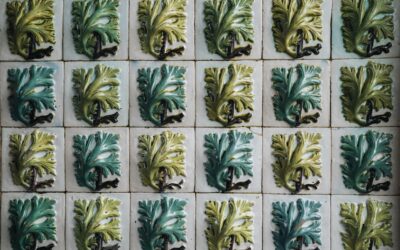
- Zellige and handmade tile: The subtle color variation and glossy irregular surface catch light beautifully behind a tub.
- Vertical stacked or fluted tile: Draws the eye upward and makes ceilings feel taller.
- Mosaic feature panels: A framed section of mosaic behind the tub acts like art on the wall.
Running tile floor to ceiling on this one wall makes the biggest statement and fully protects against splashing. For a quieter look, a half-height tile wainscot with paint above still frames the tub while trimming cost.
Warm Wood and Slat Walls
Wood brings warmth that cold tile bathrooms often lack, and a wood slat accent wall behind a tub has become a signature of modern spa-style design. The vertical lines add texture and rhythm, and the natural tone softens an otherwise hard, tiled room.
Moisture is the catch. Behind a freestanding tub you are dealing with humidity and occasional splashes rather than direct shower spray, so wood is workable, but it must be protected. Use naturally water-resistant species like teak or cedar, or seal standard wood thoroughly with a marine-grade or bathroom-rated polyurethane. Ensure the bathroom has a strong exhaust fan running during and after baths to keep humidity in check, and keep the wood a safe distance from the tub’s splash zone.
Paint: The Budget-Friendly Statement
Paint is the fastest and cheapest way to create an accent wall, and behind a tub it can be dramatic. A deep, moody color, charcoal, forest green, navy, or terracotta, turns the wall into a rich backdrop that makes a white tub glow against it. Because this wall sees humidity rather than direct water, quality bathroom paint holds up well.
Choose a paint formulated for bathrooms with mildew resistance, and step up from flat to at least an eggshell or satin sheen so the surface wipes clean and sheds moisture better. Two coats over a good primer give the depth of color these dark accent shades need. For a small bathroom, painting only the tub wall lets you go bold without shrinking the whole space.
Natural Stone and Stone-Look Panels
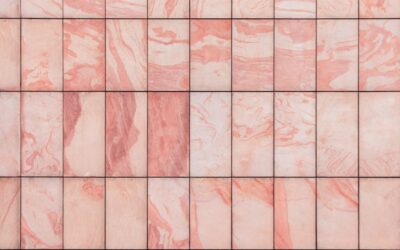
For a high-end look, a slab of natural stone or a large-format stone-look porcelain panel behind the tub reads as pure luxury. Marble, travertine, or a dramatic veined quartzite makes the tub feel like it belongs in a boutique hotel. Bookmatched panels, where the veining mirrors across a seam, create a striking symmetry directly behind the tub.
Real stone requires sealing to resist water spotting and staining, and it carries a higher price and weight. Porcelain panels that convincingly imitate marble offer the same visual impact with less maintenance and easier cleaning, which is why many designers now specify them for wet areas.
Coordinating with the Rest of the Bathroom
An accent wall works best when it connects to the room rather than floating on its own. Pull one element, a vein color in the stone, an undertone in the paint, the warmth of the wood, into the vanity, hardware, or textiles so the wall feels integrated. Match your metal finishes on the tub filler and towel bars to the mood: matte black and brushed brass suit warm woods and deep paint, while polished chrome pairs cleanly with marble.
Lighting seals the effect. A pair of sconces flanking the tub wall or a well-placed pendant highlights the texture and gives the space a spa-like glow in the evening. Aim warm 2,700 to 3,000 Kelvin light to flatter both the materials and anyone soaking in the tub.
Practical Considerations
Before committing, account for plumbing and access. If the tub filler mounts on or through the accent wall, coordinate the material with the rough-in so the finish looks clean around the valve. Freestanding fillers that rise from the floor keep the wall uninterrupted, which suits a continuous tile or stone panel.
Ventilation is non-negotiable regardless of material. A properly sized exhaust fan protects paint, wood, and grout alike from the humidity a soaking tub generates. And keep the accent within the vertical plane behind the tub rather than wrapping it around adjacent walls, so it stays a focal point instead of turning into the whole room.
An accent wall behind a freestanding tub is the detail that transforms a nice bathroom into a memorable one. Choose a moisture-appropriate material that suits your style, tie its color into the rest of the room, light it well, and let it frame the tub as the sculptural centerpiece it was always meant to be.
Budget-Friendly Alternatives That Still Impress
Not every accent wall needs a slab of marble to make an impact. Peel and stick tile and wallpaper rated for humidity give you pattern and color for a fraction of the cost, installing in an afternoon without a tile saw. Board and batten or a simple picture-frame molding painted in a rich color adds architectural texture with a few dollars of trim and a bold paint choice.
Beadboard or shiplap paneling, sealed and painted with bathroom-grade paint, brings a cottage or coastal charm behind the tub at a modest price. Even a well-chosen paint color alone, applied to just the tub wall in a deep, saturated tone, delivers dramatic contrast against a white tub for the price of a quart of paint. The lesson is that a focal wall is about intent and contrast, not necessarily about expensive materials.
Maintenance and Keeping It Looking New
Whatever material you choose, a little upkeep protects the investment. Tile and stone need their grout and sealant maintained; reseal natural stone annually and check grout lines for cracks that could let moisture behind the surface. Wipe down the wall periodically to remove the mineral film that hard water leaves, using a cleaner appropriate to the material, never an acidic cleaner on marble or natural stone.
For wood and painted walls, watch for any signs of moisture damage, peeling, or discoloration, which signal the seal is failing or ventilation is inadequate. Running the exhaust fan for 20 to 30 minutes after every bath is the simplest habit to protect all of these finishes, since controlling humidity is the key to longevity in any bathroom accent wall. Address small issues early and the wall will look as striking in ten years as it did the day it went up.
Frequently Asked Questions
What is the best material for an accent wall behind a tub?
Large-format porcelain tile and stone-look porcelain panels are the top choices because they handle moisture effortlessly and offer a luxurious look with easy maintenance. Sealed cedar or teak wood, bathroom-rated paint, and natural stone are also popular depending on your style.
Can you put a wood accent wall behind a bathtub?
Yes, since the area sees humidity and occasional splashes rather than direct shower spray. Use water-resistant species like teak or cedar, or seal standard wood with a marine-grade finish, and ensure the bathroom has a strong exhaust fan.
Does an accent wall make a small bathroom look bigger?
A single accent wall behind the tub can make a small bathroom feel more designed and intentional. Vertical patterns or paneling draw the eye upward to make ceilings feel taller, while keeping the treatment to one wall avoids shrinking the space.
What color accent wall goes behind a freestanding tub?
Deep, moody colors like charcoal, forest green, navy, and terracotta make a white tub glow against them. For a lighter look, warm neutrals and soft sage keep the space serene. Pull the accent color into your vanity or textiles to tie the room together.