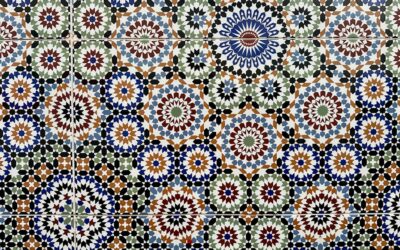
You can change the entire mood of a room in an afternoon without a paintbrush, a saw, or a landlord’s permission. A peel and stick accent wall uses self-adhesive wallpaper, wood planks, or dimensional tiles to add pattern, texture, and color to a single wall, then peels away cleanly when you are ready for a change. For renters and commitment-shy homeowners alike, it delivers the impact of a custom feature wall at a fraction of the cost and none of the mess. The trick is proper surface prep and patient application, and this guide walks through both.
Why Choose Peel and Stick
Traditional accent walls demand paint, wallpaper paste, or nail guns, and undoing them is a chore. Peel and stick products skip the wet adhesive and the hardware. Most are removable without damaging paint, which makes them ideal for rentals, nurseries you will redecorate, and anyone testing a bold design before committing. Costs run low too: a typical 10-foot accent wall costs $80 to $250 in materials versus $300 or more for professionally hung wallpaper.
The category has expanded well beyond patterned vinyl. You can now buy peel and stick wood plank panels for a shiplap or reclaimed-barn look, three-dimensional foam brick and stone panels, and gel-based faux tiles. Each installs on the same principle: clean surface, careful alignment, firm pressure.
Materials and Tools You Will Need
Gather everything before you start so momentum does not stall halfway up the wall.
- Your chosen peel and stick material, with 10 to 15 percent extra for pattern matching and mistakes
- A sharp utility knife with fresh blades and a metal straightedge
- A plastic smoothing tool or squeegee to press out bubbles
- A level, tape measure, and pencil
- A step stool or ladder
- Mild soap, water, and a lint-free cloth for cleaning
A partner helps enormously with wallpaper rolls, holding the top while you align the bottom. Wood plank and tile panels are more forgiving to install solo because each piece is small.
Prep the Wall Properly
Adhesion is everything, and it starts with a clean, smooth surface. Wipe the wall with a mild soap-and-water solution to remove dust, grease, and any residue, then let it dry fully. Skipping this step is the number-one reason peel and stick products lift at the edges within weeks.
Peel and stick adheres best to smooth, satin or semi-gloss painted drywall. Heavily textured walls, like knockdown or orange peel, reduce contact area and cause bubbling; on those, a thin skim coat or a smooth liner panel first makes a dramatic difference. Fill any nail holes, sand them flush, and wait at least three weeks after painting a fresh wall so the paint fully cures, otherwise the adhesive can pull it off.
Step-by-Step Application
Work methodically from one side to the other. Rushing creates crooked seams that are hard to hide.
- Find your starting edge. Use a level to draw a plumb vertical line about one panel-width from the corner, since walls are rarely perfectly straight.
- Peel back the top 12 inches of backing, align the material to your line, and press the top edge in place.
- Slowly peel the remaining backing downward while smoothing side to side with your squeegee to push out air bubbles.
- Overlap or butt each subsequent strip to match the pattern, keeping seams tight.
- Trim excess at the ceiling, baseboard, and outlets with a sharp knife against a straightedge.
For outlets and switches, turn off the power, remove the cover plates, apply the material over the openings, then cut the openings out and reinstall the plates for a clean, gap-free look.
Handling Bubbles and Wrinkles
Small bubbles are normal and often disappear as the adhesive settles over a day or two. For stubborn ones, prick the bubble with a pin and smooth the air out toward the hole. If a whole section wrinkles, most peel and stick materials reposition easily within the first few minutes: gently lift and re-lay it before pressing firmly.
Costs and Time
A single accent wall project typically takes two to four hours for a first-timer. Budget by square footage. Patterned peel and stick wallpaper runs $1 to $4 per square foot. Wood plank panels cost $2 to $5 per square foot, and three-dimensional brick or stone panels run $3 to $8 per square foot. For a standard 10-by-9-foot wall of about 90 square feet, expect to spend $90 to $450 depending on the material tier, still well under the cost of hiring a professional.
Design Ideas That Work
Pick the wall your eye lands on first when entering the room, usually the one behind a bed, sofa, or dining table. Vertical patterns and plank orientations make ceilings feel taller, while horizontal shiplap widens a narrow room. Bold geometric or botanical prints suit a small powder room where a whole-room treatment would overwhelm. For a warm, textured look in a living room, faux wood planks in a mixed-tone finish read as authentic reclaimed lumber from a few feet away.
Coordinate the accent with existing furnishings rather than the wall color alone. Pull one color from the wall pattern into throw pillows, art, or a rug to tie the room together.
Removal and Longevity
Quality peel and stick lasts three to five years on the wall and removes by lifting a corner and pulling slowly at a low angle, ideally with gentle heat from a hair dryer to soften the adhesive. Pull too fast or straight out and you risk taking paint with it, especially on freshly painted walls. Because removal is clean when done right, a peel and stick accent wall is the lowest-risk way to add serious personality to a space, whether you own the home or simply want the option to change your mind next year.
Comparing Peel and Stick to Traditional Wallpaper
It helps to know when peel and stick is the right call and when traditional wallpaper earns its extra effort. Peel and stick wins on speed, mess, and reversibility. There is no paste to mix, no soaking, and no scoring and steaming to remove it later. That makes it the obvious choice for renters, first-time DIYers, and anyone who wants a change without a permanent commitment.
Traditional pasted wallpaper still holds advantages for certain jobs. It tends to last longer, often a decade or more, adheres better to textured or imperfect walls, and comes in a wider range of premium patterns and materials. For a whole-room installation you plan to keep for years, or for a high-end designer paper, pasted wallpaper may be worth the added labor. For a single accent wall you want up this weekend and possibly gone next year, peel and stick is the smarter, cheaper option.
Best Rooms and Surfaces for Peel and Stick
Peel and stick performs best in low-humidity, moderate-temperature rooms with smooth walls. Bedrooms, living rooms, home offices, and nurseries are ideal. Powder rooms work too, provided there is good ventilation, though the constant humidity of a full bathroom with a shower can loosen the adhesive over time unless you choose a product rated for moisture.
Avoid applying peel and stick over freshly painted walls that have not fully cured, over heavily textured surfaces, or in areas with direct water contact. Kitchens are fine for an accent wall away from the sink and stove, but skip the immediate backsplash zone unless you use a product specifically made for it. On unpainted or newly primed drywall, the adhesive may not bond well, so give new paint the full three-week cure first.
Frequently Asked Questions
Does peel and stick wallpaper damage walls?
When removed correctly, by lifting a corner and pulling slowly at a low angle with a little heat, quality peel and stick comes off cleanly without damaging cured paint. The main risk is applying it over fresh paint that has not cured, which can pull off when you remove the paper.
How long does a peel and stick accent wall last?
On the wall, quality peel and stick lasts three to five years or longer. Cheaper products may start lifting at the edges within months, especially in humid rooms, which is why surface prep and product quality matter.
Can you put peel and stick over textured walls?
It adheres poorly to heavy textures like knockdown or orange peel because the bumps reduce contact area and cause bubbling. On textured walls, apply a thin skim coat or install a smooth liner panel first for a lasting result.
How much does a peel and stick accent wall cost?
Expect $90 to $450 for a standard accent wall, depending on the material. Patterned wallpaper runs $1 to $4 per square foot, wood plank panels $2 to $5, and three-dimensional brick or stone panels $3 to $8 per square foot.