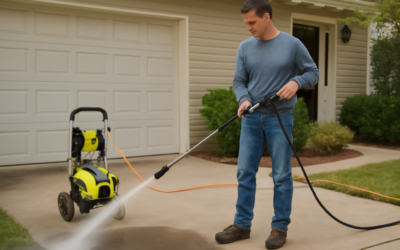
Active has become a recognizable name in consumer pressure washing, offering electric machines and a broad ecosystem of attachments aimed at homeowners who want more capability than a bargain-bin unit without paying pro prices. An active pressure washer pairs solid electric power with quick-connect accessories for cars, patios, and siding. This guide explains the specs, the attachment system, and how to get good results.
- Understanding PSI and GPM
- Electric Convenience
- The Attachment Ecosystem
- Choosing the Right Nozzle
- Using a Surface Cleaner Effectively
- Detergent and Foam Application
- What These Machines Clean Well
- Setup and Operation Steps
- Corded vs. Cordless Electric Models
- Care and Storage
- Electric vs. Gas: Which You Actually Need
- Avoiding Damage to Surfaces
- Winterizing Your Machine
- Value Compared to Competitors
Understanding PSI and GPM
Two numbers define any pressure washer’s cleaning power:
- PSI (pounds per square inch): The pressure that blasts grime loose. Consumer electric units typically run 1,500 to 2,300 PSI.
- GPM (gallons per minute): The water volume that rinses debris away. Electric units usually flow 1.2 to 1.6 GPM.
Cleaning power is roughly PSI multiplied by GPM, sometimes called cleaning units. More PSI cuts through tough stains; more GPM finishes the job faster. For most home tasks, an electric unit in this range is more than adequate.
Electric Convenience
Active’s electric machines start with the flip of a switch, produce no exhaust, and run quietly enough to use around the house and neighbors without complaint. There is no fuel to buy or stabilize, no oil changes, and no pull-cord frustration. The trade-off versus gas is lower maximum pressure and being tethered to an outlet, but for driveways, decks, cars, and siding that is rarely a limitation.
The Attachment Ecosystem
A big part of the brand’s appeal is its range of quick-connect accessories. Common attachments include:
- Surface cleaner: A spinning disc that cleans flat concrete and pavers evenly without streaks, dramatically faster than a wand.
- Turbo nozzle: A rotating 0-degree jet that combines cutting power with coverage for stubborn grime.
- Foam cannon: Applies thick detergent for cars and siding.
- Extension wands and gutter attachments: For reaching second-story walls and gutters from the ground.
- Undercarriage cleaner: For washing under vehicles and decks.
Confirm the fitting size matches your machine before buying, as most use a standard quick-connect but adapters may be needed.
Choosing the Right Nozzle
Like most pressure washers, Active units use color-coded tips: 0-degree (red) for pinpoint blasting, 15-degree (yellow) for heavy stripping, 25-degree (green) for general cleaning, 40-degree (white) for delicate surfaces, and a black soap tip for detergent. Match the spray angle to the surface, and never use the 0-degree tip on wood, painted surfaces, siding, or skin, since it can gouge material and cause injury.
Using a Surface Cleaner Effectively
The surface cleaner attachment is the single biggest upgrade for driveway and patio work. It houses two spinning nozzles inside a shroud, spreading pressure evenly so you avoid the zebra-stripe pattern a wand leaves. Move it slowly in overlapping passes at a steady pace. Because the shroud contains splash, you stay cleaner and the concrete comes out uniform. It cuts a two-hour driveway job to well under an hour.
Detergent and Foam Application
For cars, siding, and greasy surfaces, apply detergent through the low-pressure black nozzle or a foam cannon, let it dwell for a few minutes without drying, then rinse with a higher-pressure tip. Use only detergents labeled for pressure washers; household soaps can foam excessively or damage seals. Working bottom to top when applying and top to bottom when rinsing prevents streaks.
What These Machines Clean Well
An electric Active unit handles the vast majority of home tasks:
- Cars, trucks, boats, and RVs (with a wide tip to protect paint).
- Decks, fences, and wood siding (with lower-pressure tips).
- Concrete driveways, sidewalks, and patios (best with a surface cleaner).
- Outdoor furniture, grills, and garbage cans.
For stripping paint, cleaning large commercial lots, or blasting heavy industrial grime, a gas machine with higher PSI and GPM is the better tool.
Setup and Operation Steps
- Connect the garden hose to the inlet and turn on the water fully before starting the motor.
- Squeeze the trigger to purge air until water flows steadily.
- Attach the appropriate nozzle or accessory with the machine off.
- Start the motor, test on an inconspicuous area, then work in overlapping passes.
- After use, run clean water through to flush detergent, then release pressure by squeezing the trigger.
Corded vs. Cordless Electric Models
Electric pressure washers come in corded and, increasingly, battery-powered versions, and each suits different needs. Corded units deliver consistent, unlimited power as long as they are plugged in, making them the workhorse choice for driveways, decks, and extended cleaning sessions. Battery-powered models offer freedom from outlets and are handy for quick jobs far from power, such as rinsing garden tools or cleaning a car in the driveway, but they trade off run time and peak pressure. For most homeowners who tackle patios, siding, and vehicles at home, a corded electric unit provides the best combination of power, endurance, and value, while a cordless model is a convenient supplement rather than a primary machine.
Care and Storage
Electric pressure washers need little maintenance, but a few habits extend their life. Never let the pump run dry, since that destroys seals in seconds. Flush detergent out after each use, store the unit above freezing or use pump antifreeze if it will see cold, and coil the hose without kinks. Check the inlet screen filter periodically and clear any grit that could enter the pump.
Electric vs. Gas: Which You Actually Need
Many homeowners assume they need a gas machine, but for the vast majority of tasks an electric unit like Active’s is the smarter choice. Gas washers produce more pressure and flow, which matters for stripping paint, cleaning large commercial areas, or blasting deeply set stains, but they require fuel, oil changes, and winterizing, and they are loud and heavy. Electric units start instantly, run quietly, need almost no maintenance, and deliver more than enough power for cars, decks, patios, and siding. Unless you regularly tackle heavy-duty jobs or need to work far from an outlet, electric is the practical pick.
Avoiding Damage to Surfaces
Pressure washing can damage as easily as it cleans if you use too much pressure or too narrow a tip. Wood decking and siding can splinter, mortar can wash out, window seals can fail, and car paint can chip. Protect surfaces by starting with a wide-angle tip, keeping the nozzle at least a foot or two away, and testing an inconspicuous spot first. Let detergent do the chemical work so you can use lower pressure. For soft or aging surfaces, a soft-wash approach, low pressure plus the right cleaner, is far safer than blasting away with a narrow tip.
Winterizing Your Machine
If your Active pressure washer will sit through freezing temperatures, protect the pump from cracking. Water left inside expands when it freezes and can split the pump housing, an expensive repair. Before storage, run the machine briefly to expel most of the water, then run a small amount of pump antifreeze or a purpose-made pump saver through it. Store the unit somewhere above freezing when possible. This five-minute step at the end of the season prevents the single most common cause of a dead pump come spring.
Value Compared to Competitors
Active machines and their attachment bundles are priced to compete with Sun Joe, Greenworks, and Ryobi electric units, typically $120 to $300 depending on power and the accessories included. The strength of the brand is the breadth of add-ons, which lets you build a versatile cleaning kit over time. For a homeowner who wants one system that grows with new attachments, that flexibility is a real selling point.
An active pressure washer offers a practical, quiet, low-maintenance way to tackle nearly every home cleaning job, and its wide attachment range means the machine adapts to cars, concrete, siding, and more. Match your nozzle and accessory to the surface, use a surface cleaner for flat concrete, follow safe detergent and setup steps, and store it properly. Within the capabilities of an electric unit, it delivers strong value for typical homeowner use.