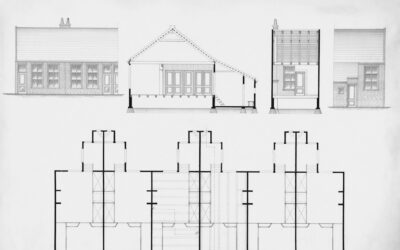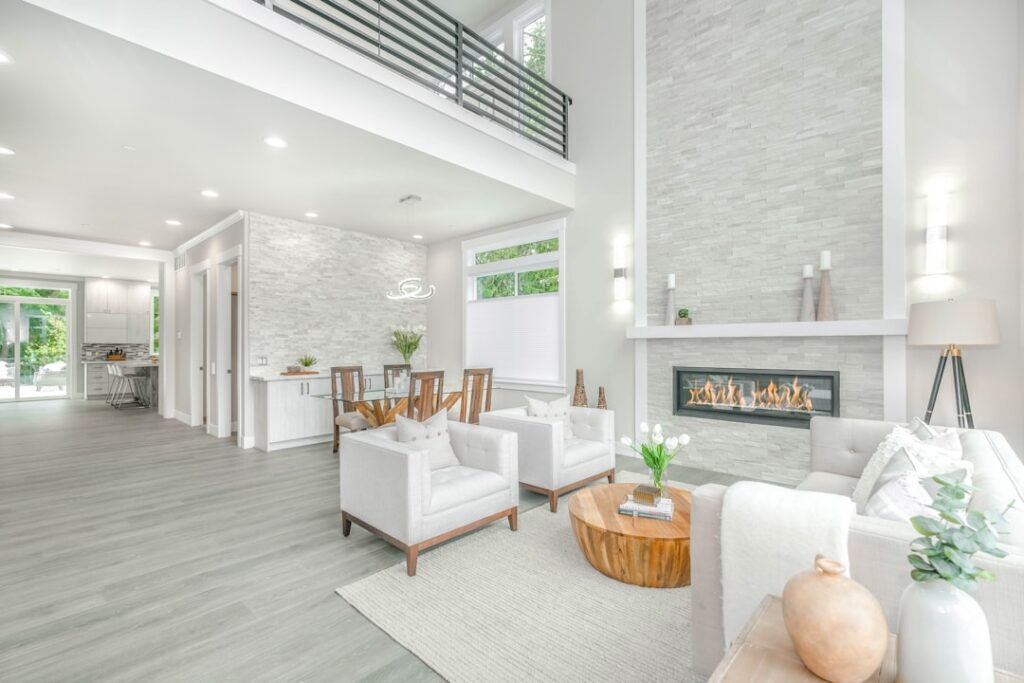
Running out of space doesn’t always mean it’s time to move. For many homeowners, building onto the house you already love makes far more financial sense than buying new and paying closing costs all over again. An addition renovation can add a bedroom, expand a cramped kitchen, or create a primary suite, often returning 50% to 70% of its cost in resale value. But these projects are complex, and going in without a clear understanding of types, costs, and timelines is how budgets spiral out of control.
Types of Home Additions
Additions come in several forms, each with very different costs and complexity. Knowing which fits your needs and lot shapes every decision that follows.
- Room addition: A single new room built onto the existing footprint, like a bedroom or family room.
- Bump-out: A small extension of a few feet to enlarge a kitchen or bathroom. The most budget-friendly option.
- Second-story addition: Building up rather than out, ideal when lot space is limited. The most expensive and disruptive.
- Sunroom or four-season room: A light-filled space, often with lower cost per square foot than a fully integrated room.
- Garage conversion or ADU: Repurposing existing space, often the cheapest path to added living area.
What an Addition Really Costs
Budget is the first reality check. Nationally, a home addition runs $80 to $250 per square foot, with most projects landing around $125 to $180. A 400-square-foot room addition therefore typically costs $50,000 to $100,000 once finished.
Plumbing and electrical drive the price. A bathroom or kitchen addition costs far more than a simple bedroom because of the rough-in work, fixtures, and code requirements. Second-story additions add structural reinforcement of the existing foundation and framing, often pushing the total to $150,000 or more. Always pad your budget with a 15% to 20% contingency for surprises hidden inside walls and below grade.
Permits, Codes, and Zoning
No legitimate addition renovation skips the permit process. Building permits typically cost $500 to $3,000 depending on scope and locality, and they trigger inspections at framing, electrical, plumbing, and final stages.
Before you fall in love with a design, check local zoning. Setback requirements dictate how close to property lines you can build, and lot coverage limits cap how much of your land can hold structures. Some neighborhoods also have an HOA review or historic-district rules. Skipping permits to save time almost always backfires, creating problems at resale and risking fines or forced teardowns.
Planning and Design Phase
Good additions start on paper, not at the lumberyard. Decide early whether you want the new space to blend seamlessly with the existing home or intentionally contrast it. Matching the roofline, siding, and window style keeps the home cohesive and protects resale value.
For anything beyond a simple bump-out, hire an architect or design-build firm. Architectural fees run 8% to 15% of construction cost, but a thoughtful design prevents expensive changes once framing is underway. This phase also includes structural engineering, especially for second-story work, to confirm the existing foundation can carry the new load.
The Construction Timeline
Patience is part of the deal. A straightforward room addition typically takes three to four months from groundbreaking to final inspection. Larger or second-story projects often stretch to six months or more, and that’s after weeks or months of design and permitting.
The sequence runs from foundation and framing, through roofing and exterior weatherproofing, then rough mechanicals, insulation, drywall, and finally finishes. Weather delays, material backorders, and inspection scheduling all add time. Build a realistic schedule with your contractor and confirm whether you’ll need to vacate or can live around the work.
Financing Your Addition
Few homeowners pay cash for a project this size, so understanding your financing options early shapes what’s realistic. The most common routes tap your home’s equity, since additions add value that lenders recognize.
- Home equity loan: A lump sum at a fixed rate, ideal when you know the total cost.
- HELOC: A revolving line of credit, useful for projects with phased spending.
- Cash-out refinance: Replaces your mortgage with a larger one, pulling out equity at current rates.
- Construction or renovation loan: Structured to release funds as work hits milestones.
Compare interest rates and closing costs across lenders, and remember that the project’s added value can offset borrowing costs at resale. Avoid stretching so thin that an unexpected overrun derails the whole project.
Living Through Construction
The disruption of an active build catches many families off guard. Dust, noise, and reduced access to parts of your home are part of the deal, and a months-long timeline tests everyone’s patience. Plan ahead to keep daily life functional.
If the addition affects your kitchen or only bathroom, set up a temporary alternative, even a microwave-and-cooler station in another room. Seal off the work zone with plastic sheeting to contain dust, and agree with your contractor on daily start and stop times. For second-story additions that expose the home to weather, confirm the crew has a plan to tarp and protect the interior between work phases.
Maximizing Your Investment
Not all square footage returns equal value. Additions that complete a functional layout, like a second bathroom or an expanded kitchen, recoup more than oddly placed bonus rooms. A primary suite addition and an extra bath consistently rank among the highest-return projects.
To get the most from your addition renovation, gather at least three detailed bids, verify each contractor’s license and insurance, and put every detail in writing before work begins. Done right, a well-planned addition gives you the space you need now and pays you back when it’s time to sell.
Addition Versus Moving: Running the Numbers
Before committing to an addition, it’s worth honestly comparing the cost of expanding against simply buying a larger home. Moving carries hidden expenses that homeowners often underestimate, which is exactly what makes additions attractive in many markets.
Selling and buying triggers real estate commissions of 5% to 6%, closing costs of another 2% to 5%, moving expenses, and often a higher mortgage rate than your current one. On a $400,000 home, those transaction costs alone can exceed $30,000 before you’ve gained a single square foot. An addition, by contrast, keeps your existing mortgage, your neighborhood, and your school district intact while adding exactly the space you need. The math favors building when you love your location and the lot can accommodate the expansion. It favors moving when the existing home has deeper problems or the addition would over-improve the property relative to the neighborhood.