Dirty air filters cost you money in three ways: reduced HVAC efficiency (up to 15% higher energy bills), shortened equipment life, and degraded indoor air quality. A good air filter cleaner restores reusable filters to near-new performance for a fraction of the replacement cost. Whether you are maintaining your home HVAC system, cleaning a car engine air filter, or restoring a shop vacuum filter, the right cleaning method depends on the filter type and material.
Types of Reusable Air Filters
Not all filters are designed to be cleaned. Disposable fiberglass and pleated filters (the most common HVAC filters) should be replaced, not cleaned — their media breaks down when washed. Reusable filters include:
- Electrostatic HVAC filters: Aluminum or polypropylene mesh frames with static-charged media. Designed for washing and reuse. $30-$80 each, lasting 5-10 years
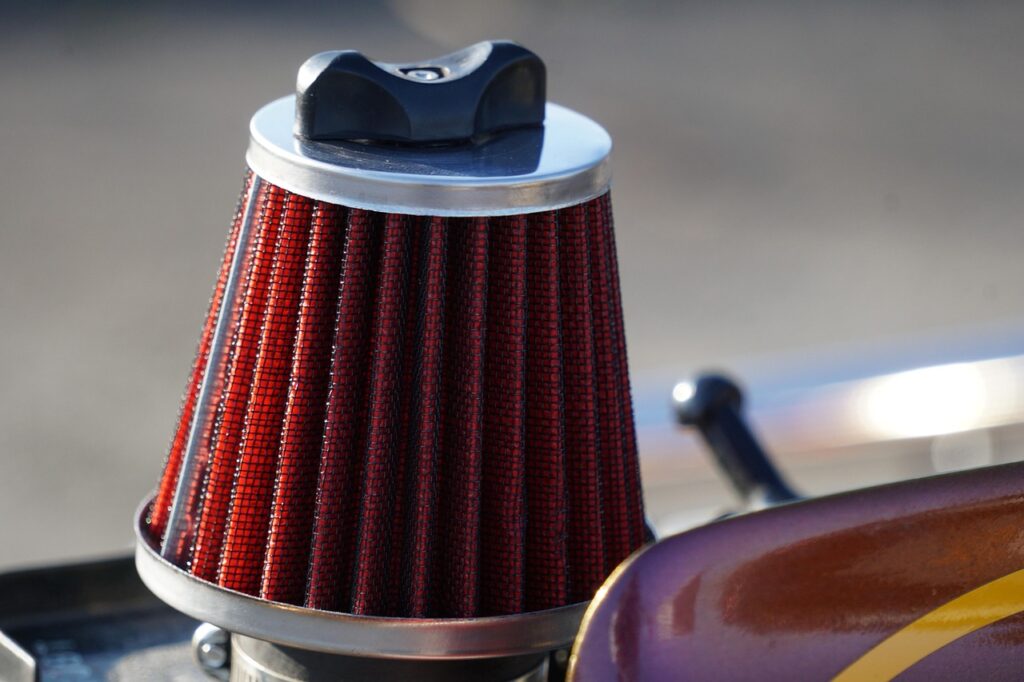
- K&N-style oiled cotton gauze filters: Used in cars, trucks, and some high-performance HVAC systems. Require specific air filter cleaner solutions and re-oiling
- Foam pre-filters: Found on shop vacs, small engines, and some air purifiers. Washable with soap and water
- HEPA filters (some models): Certain HEPA filters are washable, but most are not. Check manufacturer specifications before washing
Cleaning Electrostatic HVAC Filters
Electrostatic filters are the most common reusable home air filters. Clean them monthly or when visibly dusty — the electrostatic charge weakens as debris accumulates, reducing filtration efficiency. The cleaning process takes about 15 minutes:
- Remove the filter and note the airflow direction arrow on the frame
- Take it outside or to a utility sink. Spray with a garden hose from the clean side (opposite the airflow direction) to push debris out the way it entered
- For heavy buildup, spray with a mild degreaser or dedicated air filter cleaner and let it soak for 10 minutes
- Rinse thoroughly until the water runs clear
- Shake off excess water and stand upright to air dry completely — 4 to 6 hours in warm weather
- Reinstall with the airflow arrow pointing in the correct direction
Never reinstall a damp filter. Moisture promotes mold growth inside the ductwork, which spreads spores throughout the house — the opposite of what a clean filter should accomplish.
Cleaning K&N and Oiled Cotton Filters
Oiled cotton gauze filters (K&N, AEM, S&B) require a specific two-step process: cleaning followed by re-oiling. Using the wrong air filter cleaner dissolves the oil that traps fine particles, reducing filtration to nearly zero until re-oiled.
K&N sells a recharge kit ($12 to $16) containing their proprietary cleaner and filter oil. Spray the cleaner on both sides of the dry filter, wait 10 minutes for it to loosen trapped dirt, then rinse from the clean side with low-pressure water. Let the filter dry completely (naturally, never with compressed air or heat), then apply K&N filter oil evenly across the entire media surface until the cotton turns uniformly red or purple. Wait 20 minutes for the oil to wick fully before installing.
Cleaning Foam Pre-Filters
Foam filters on shop vacuums, lawn mowers, and air purifiers clean up easily with warm water and a few drops of dish soap. Submerge the foam in soapy water, squeeze it repeatedly like a sponge to release trapped dust, rinse until the water runs clear, and squeeze out excess water. Let the foam dry completely before reinstalling.
For stubborn dirt embedded in foam cells, soak the filter in a solution of 1 tablespoon baking soda per quart of warm water for 30 minutes. The baking soda loosens organic debris and neutralizes odors without degrading the foam structure. Avoid wringing foam filters aggressively — twisting tears the cell structure and creates holes that let particles bypass the media.
Best Air Filter Cleaner Products
Several dedicated products outperform general-purpose cleaners on air filters:
- K&N Air Filter Cleaner (99-0504): $10 for 12 oz spray. Purpose-built for oiled cotton gauze filters. Dissolves trapped grime without damaging the cotton media
- Simple Green All-Purpose Cleaner: $4 for 32 oz. Works well on electrostatic and foam filters. Non-toxic, biodegradable, safe for aluminum frames
- ZEP Industrial Purple Degreaser: $8 for 1 gallon. Best for heavily soiled electrostatic filters with kitchen grease buildup. Dilute 4:1 with water for filter use
- Dawn dish soap: $4 for 16 oz. Effective on foam filters and light-duty electrostatic cleaning. Gentle enough for regular monthly maintenance
When to Replace Instead of Clean
Reusable filters have finite lifespans. Replace rather than clean when you notice these signs:
- Tears, holes, or crushed areas in the filter media
- Frame damage — bent aluminum, cracked plastic, or loose seams that allow bypass airflow
- Persistent odor even after thorough cleaning (indicates embedded organic contamination)
- Visible discoloration that does not wash out — permanently stained media has reduced electrostatic charge
- Reduced airflow even when the filter appears clean — degraded media has collapsed at the microscopic level
Most electrostatic HVAC filters last 5 to 10 years with monthly cleaning. K&N automotive filters last the life of the vehicle. Foam pre-filters typically need replacement every 1 to 2 years as the cell structure degrades. Regular cleaning with the right air filter cleaner maximizes these lifespans and keeps your equipment running at peak efficiency.