Your furnace air filter is the cheapest, most important piece of HVAC maintenance you control, protecting the blower and coil from dust while improving the air you breathe. Choosing the right filter and changing it on schedule keeps your system efficient, extends its life, and prevents costly repairs, all for a few dollars a month. This guide covers MERV ratings, sizing, and exactly how and when to change it.
- What a Furnace Filter Actually Does
- Understanding MERV Ratings
- Don’t Over-Filter Your System
- Filter Types
- MERV vs. MPR and FPR
- Getting the Size Right
- How Often to Change It
- How to Replace It Correctly
- The Payoff of Regular Changes
- Signs Your Filter Needs Changing
- Furnace Filter vs. Whole-House Air Cleaner
- What Filters Cost Over a Year
- The Bottom Line
What a Furnace Filter Actually Does
A common misconception is that the filter exists mainly to clean your air. Its primary job is to protect the furnace itself, keeping dust and debris off the blower motor and evaporator coil so the system runs efficiently and doesn’t overheat. Cleaner indoor air is the valuable side benefit. A clogged filter restricts airflow, forces the blower to work harder, drives up energy use, and can cause the system to overheat and shut down or ice up in cooling mode.
Understanding MERV Ratings
MERV (Minimum Efficiency Reporting Value) rates how well a filter captures particles, on a scale of 1 to 20. For homes, the useful range is:
- MERV 1-4: cheap fiberglass, protects equipment but barely cleans air.
- MERV 5-8: good balance for most homes, captures dust, pollen, and mold spores.
- MERV 9-12: better for allergy sufferers and pets, captures finer particles.
- MERV 13-16: captures smoke, bacteria, and fine particulates, near hospital-grade.
Higher isn’t always better for your system, as explained next.
Don’t Over-Filter Your System
A too-restrictive filter can hurt more than help. Residential furnaces are designed for a certain airflow, and a dense MERV 13-plus filter creates back-pressure that can strain the blower and reduce efficiency if the system isn’t built for it. For most homes, MERV 8-11 is the sweet spot, cleaning the air well without choking airflow. If you or a family member has serious allergies or asthma and want MERV 13, confirm your system can handle it, or consider a dedicated media cabinet or air purifier instead of forcing a thick filter into a standard slot.
Filter Types
Filters come in several constructions:
- Fiberglass (flat panel): cheapest ($1-$3), MERV 1-4, protects equipment only. Change monthly.
- Pleated: the most popular ($5-$25), MERV 8-13, good air cleaning and airflow balance.
- Washable/reusable: higher upfront cost, must be cleaned and fully dried to avoid mold.
- Media cabinet (4-5 inch): thick, high-capacity filters that last 6-12 months, require a dedicated housing.
- Electrostatic: self-charging fibers that attract particles, available washable or disposable.
Pleated filters are the right choice for most homeowners.
MERV vs. MPR and FPR
Shopping for filters gets confusing because retailers use competing rating systems. MERV is the industry-standard scale from ASHRAE. 3M’s Filtrete brand uses MPR (Microparticle Performance Rating), which runs from about 300 to 2800. Home Depot uses FPR (Filter Performance Rating) from 4 to 10 on a color-coded scale. Roughly, MERV 8 equals MPR 600 and FPR 5-6, while MERV 11 equals MPR 1000-1200 and FPR 7. When comparing filters across brands, convert to MERV so you’re matching actual filtration levels rather than marketing numbers, and stick to the MERV 8-11 range for most systems.
Getting the Size Right
Furnace filters come in standard nominal sizes printed on the frame, such as 16x25x1, 20x25x1, or 16x20x1, where the numbers are width, height, and thickness in inches. The nominal size is slightly larger than the actual size to allow a proper fit. Read the dimensions off your old filter before buying, and never force a wrong size, which lets unfiltered air bypass around the edges. Standard slots take 1-inch filters; media cabinets take 4-5 inch filters.
How Often to Change It
Change or check your furnace air filter every 1 to 3 months. The right interval depends on your home:
- 1-inch fiberglass or basic pleated: every 30-60 days.
- Homes with pets or allergies: every 30-45 days.
- Quality pleated in a low-dust home: up to 90 days.
- 4-5 inch media filters: every 6-12 months.
Check monthly by holding the filter up to light; if you can’t see through it, replace it. During heavy heating or cooling season, filters load up faster.
How to Replace It Correctly
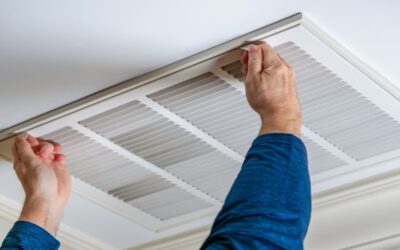
Changing a filter takes two minutes. Turn the furnace off at the thermostat first, locate the filter slot (in the return-air duct or the blower compartment), and slide out the old filter. Note the airflow arrow printed on the frame, which must point toward the furnace and away from the return duct, then slide the new filter in with the arrow oriented the same way. Installing it backward reduces effectiveness and airflow. Close the cover, turn the system back on, and note the date on the filter frame so you know when the next change is due.
The Payoff of Regular Changes
A clean furnace air filter is the highest-return maintenance you can do. It can lower energy use by 5-15 percent versus a clogged filter, prevents the blower and coil from fouling, reduces the risk of an overheat shutdown or a frozen coil, and keeps dust and allergens out of your air. Neglecting it is the single most common cause of avoidable HVAC service calls. Setting a phone reminder every 1-3 months, or subscribing to a filter delivery service, is the easiest way to protect a system worth thousands of dollars.
Signs Your Filter Needs Changing
Beyond the calendar, your system tells you when the filter is spent. Watch for visibly gray, matted media when you hold it to the light, weaker airflow from the registers, more dust settling on surfaces, and rising energy bills as the blower strains against the restriction. In extreme cases a clogged filter causes the furnace to overheat and shut off on its high-limit switch, or the AC coil to freeze into a block of ice from poor airflow. Longer run times to reach the setpoint and a musty smell when the system kicks on are also clues. If you notice any of these, check the filter first, since it’s the cheapest and most likely culprit.
Furnace Filter vs. Whole-House Air Cleaner
A standard 1-inch furnace filter is the baseline, but homeowners with allergies or air-quality concerns have upgrade paths that don’t choke airflow. A media air cleaner uses a 4-to-5-inch-thick filter in a dedicated cabinet, offering high MERV filtration with lower resistance and 6-to-12-month change intervals. An electronic air cleaner charges particles to trap them on collector plates you wash periodically. UV lights added to the system target mold and biological growth on the coil rather than airborne dust. These add cost and installation, but they filter far better than a thin panel filter without the back-pressure problems of forcing a dense MERV 13 into a standard 1-inch slot.
What Filters Cost Over a Year
Filtration is one of the cheapest lines in your home budget. A basic pleated 1-inch filter runs $5-$15 each, and changing it every two months means six per year, or roughly $30-$90 annually. Premium high-MERV pleated filters cost $15-$25 apiece, pushing the yearly total toward $90-$150. A 4-to-5-inch media filter costs $40-$70 but lasts 6-12 months, so it often works out cheaper per year despite the higher sticker. Buying filters in multipacks or through a subscription service trims the cost and, more importantly, keeps you from skipping changes. Set against a repair bill of several hundred dollars for a blower or coil fouled by a neglected filter, that yearly spend is the best value in home maintenance.
The Bottom Line
Your furnace air filter is a small part with an outsized impact on efficiency, air quality, and equipment life. Pick a pleated filter in the MERV 8-11 range for most homes, match the exact size printed on your old filter, install it with the airflow arrow pointing toward the furnace, and replace it every 1 to 3 months. That simple habit protects your HVAC investment and keeps your home’s air cleaner year-round for just a few dollars each month.